Hongcun Ancient Village, Anhui
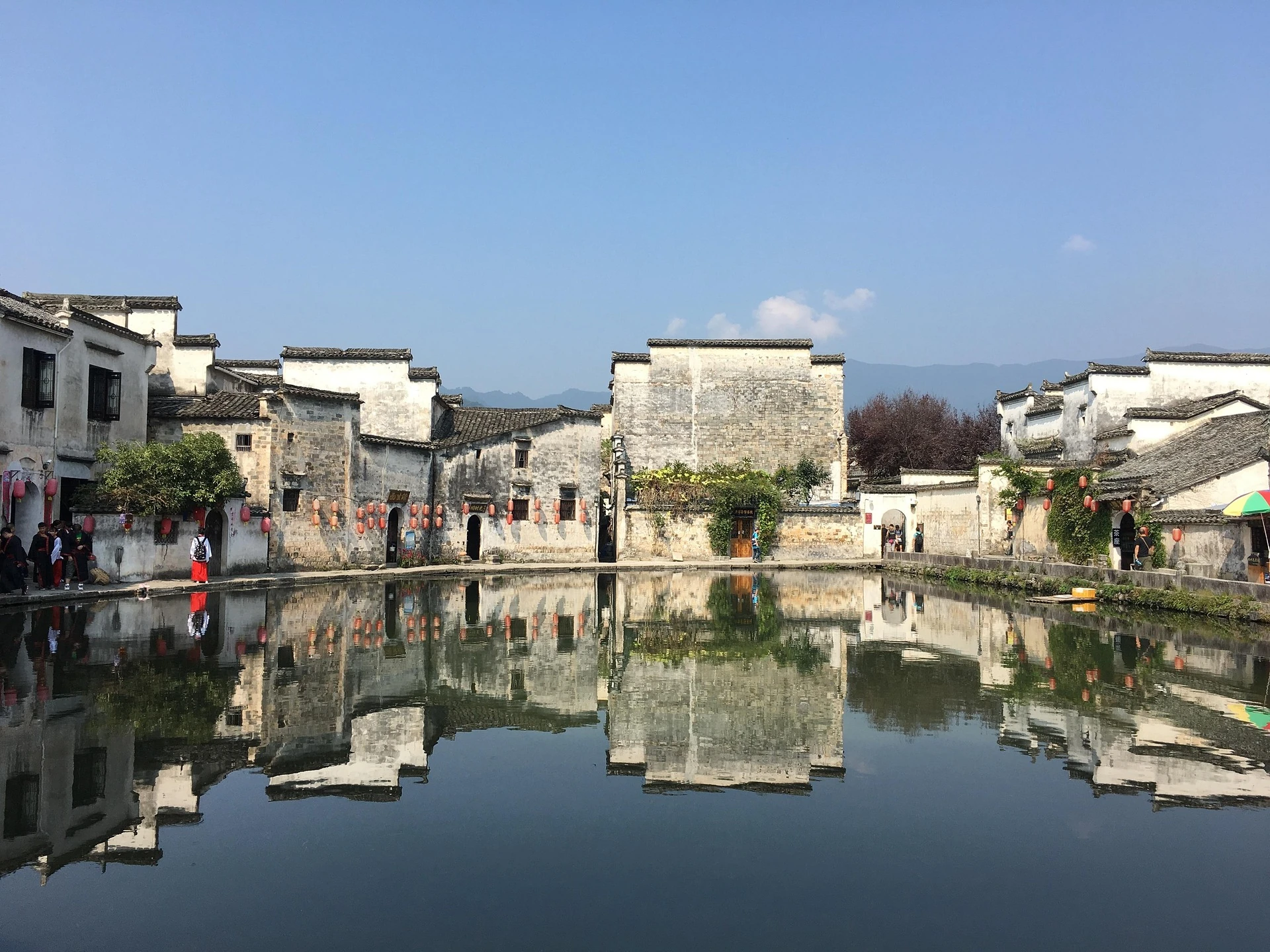
Skip the typical rushed tourist experience. Hongcun is way more than just a quick photo stop. Tucked right below Huangshan Mountain in Anhui’s Yi County, this 800‑year‑old UNESCO‑listed village still has real people living inside it — no sterile, empty open‑air museum vibe here. It really feels like stepping straight into a traditional Chinese ink painting.
The whole village was laid out to mimic the shape of an ox. Locals dug out an elaborate water network by hand centuries ago. Mountain stream water courses through narrow stone channels the locals nickname “ox intestines”, running right past household doorways. Fun little hack: if you get turned around in those twisty alleys, just follow the water downhill to find your way. These streams feed the crescent‑shaped Moon Pond at the heart of the village, then carry on out to the wide South Lake at the village’s southern edge. This clever system kept the place cool and helped fight fires for hundreds of years. Folks still wash vegetables along the channel steps day‑to‑day, so please don’t dip your hands in these working waterways to respect their everyday lives.
Roam the alleyways, and you’ll spot those iconic white plaster walls and dark tiled roofs, plus the sharp‑looking horse‑head gables everywhere. Don’t only stick to the busy main paths. Duck down the quieter side lanes, and you’ll catch little everyday moments: locals going about their chores, cats curled up napping in warm sunlight, art students hunched over sketchbooks drawing the old buildings. When there’s barely any wind, all those old houses mirror crisply on still water, exactly like an ancient ink scroll.
If history grabs your interest, pop into Chengzhi Hall. This used to be a wealthy salt merchant’s huge family home, often nicknamed the “Folk Forbidden City”. Look closely at beams and window frames — they’re covered in breathtaking wood carvings. Tiny figures, blossoms and old folk tales are etched deep into timber; some pieces even once held gilded layers. Near Moon Pond you’ll find Wang Clan Ancestral Hall, a simpler Ming‑era building built for family gatherings and ceremonies. And by South Lake, don’t miss South Lake Academy, which shows just how much weight old Huizhou communities put on education.
Food is absolutely not to be missed here. Give stinky mandarin fish a try. Don’t let the name put you off. Fermentation gives it deep, savoury richness, and the flesh melts on your tongue. Pair it with crispy Huangshan sesame cakes, or golden‑fried hairy tofu. You can also hunt down cheap street snacks in the back lanes; keep an eye out for soft red‑bean steamed rice cakes sold by elderly vendors. Lots of cosy family‑run guesthouses are tucked inside old courtyards. Staying overnight in the village beats rushing through on a day trip by a mile.
Visiting is pretty straightforward for overseas travellers these days. Some overseas e‑wallets work, multilingual guides are available, and you can join intangible‑cultural‑heritage workshops to craft traditional fish lanterns or stitch local sachets yourself. Bear in mind small street stalls seldom accept foreign credit cards, so carry some Chinese cash. Adult tickets run around 104 RMB, and they stay valid for three full days for repeat entry. Grab discounted student or senior tickets with your passport.
Timing makes all the difference. Arrive before 7 a.m. or after 5 p.m. Tour groups clear out, morning mist drifts over South Lake, and you get to enjoy the village without crowds crowding every corner. Stone paths are bumpy, and they get slippery when wet after rain — wear sturdy shoes, and take it slow. Public restrooms might not supply toilet paper, so bring a small supply with you. If you’re coming from Huangshan North High‑speed‑Rail Station, take the public tourist bus instead of overpriced random taxis.
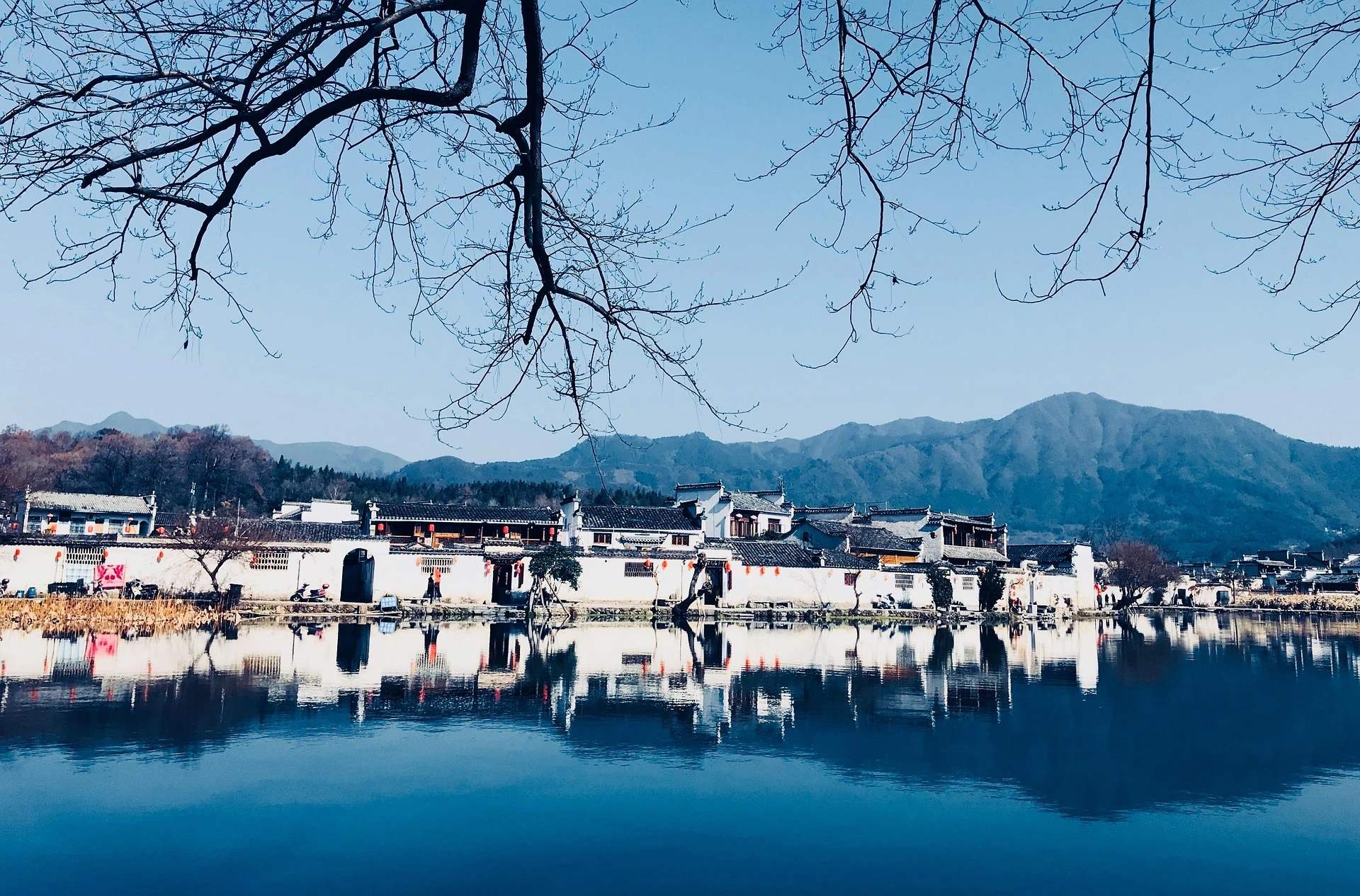
Visual Tip