Wuyuan County, Jiangxi
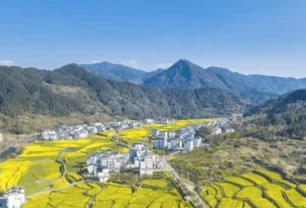
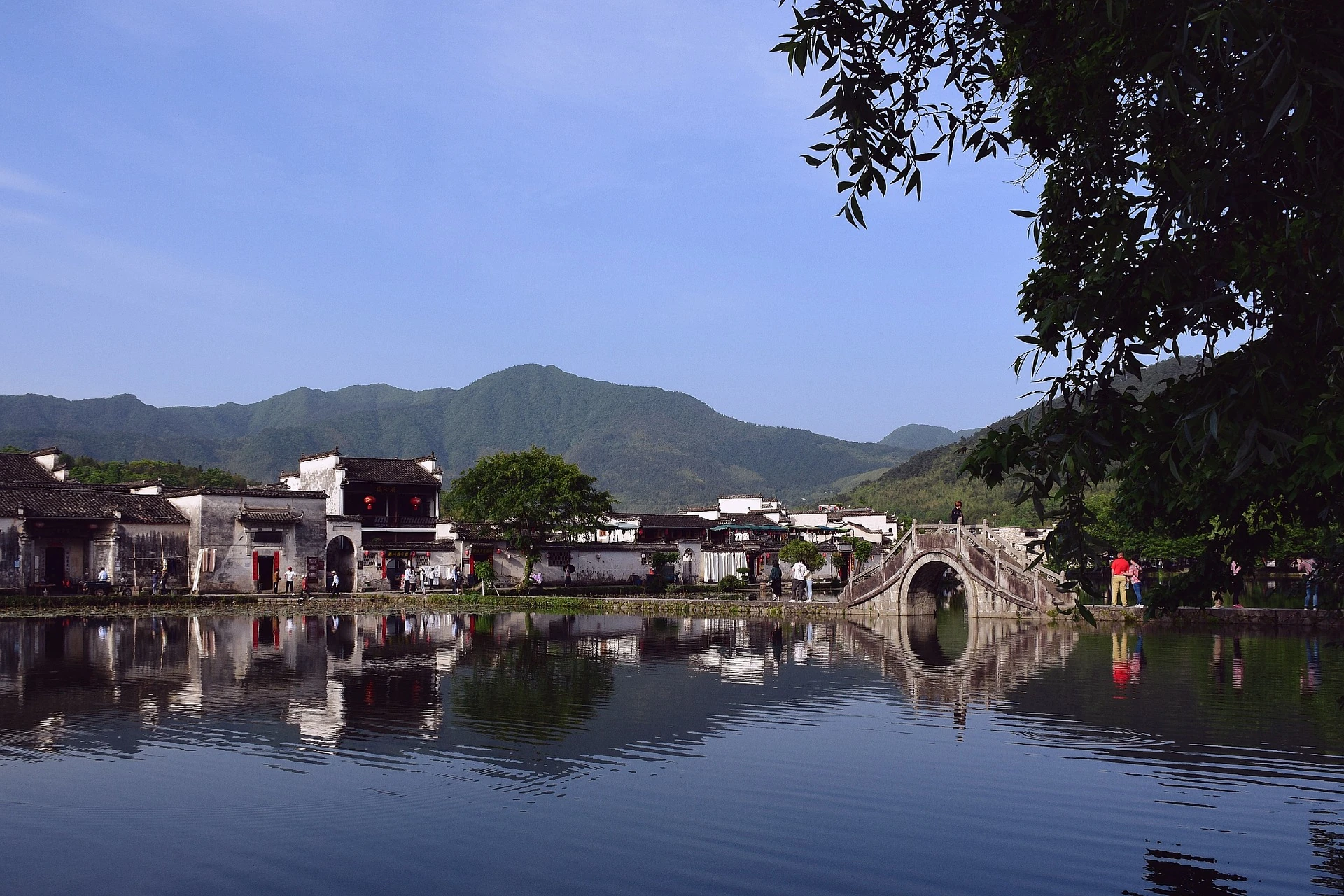
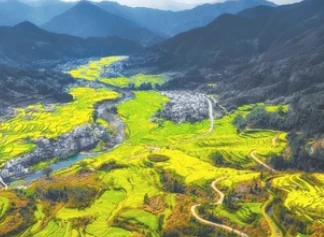
Wuyuan County is widely hailed as ‘China's Most Beautiful Countryside’, famous for intact Hui-style ancient villages with white plaster walls and black tiled roofs, paired with golden rapeseed flower terraces blanketing rolling hills every spring. Narrow stone footpaths, covered stone arch bridges and old ancestral halls spread across undulating hills, crafting a timeless pastoral landscape that embodies classic traditional Chinese rural aesthetics.
It operates as a living open-air museum of intangible cultural heritage, most well-known for Hui Three Carvings—wood carving, brick carving and stone carving—decorating old ancestral house facades across the county. Visitors can join hands-on tea-picking workshops, harvest seasonal wild fruits and try local paper-cut craft lessons, learning centuries-old Confucian traditions that shaped village daily life, offering a peaceful escape from fast-paced crowded cities. Mid-March to April brings full rapeseed bloom; September and October deliver warm harvest tones plus cool walking weather.
A Singaporean travel blogger noted rural shuttle buses run on loose unpredictable schedules—leave extra time buffer when hopping between scattered villages across the area.
Core search keywords: Wuyuan rapeseed flower tour, Hui architecture ancient village, Wuyuan intangible heritage workshop
Hashtags: #WuyuanCountryside #ChineseRuralTravel
Visual Tip: Spring landscape — golden rapeseed fields terracing up hillsides, with a white-walled Hui-style village nestled in the center.
Visual Tip