Ancient Tea Horse Road
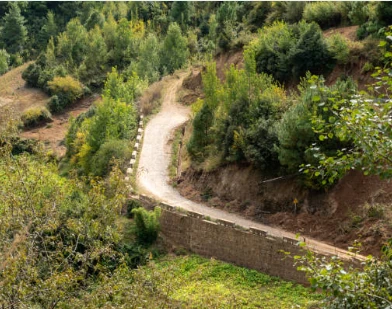
The Ancient Tea Horse Road refers to a thousand-year sprawling mountain trade route network stretching across Southwest China's rugged terrain, mainly linking Sichuan, Yunnan and Xizang regions. Formed back during Tang and Song dynasties, this tough mountain passage supported a vital barter economy centered on tea and horses: flatland tea goods hauled uphill to trade for sturdy Tibetan war horses raised on high plateaus. Stretching more than 4,000 kilometers end to end, it functioned as both a core economic transport artery and cross-cultural exchange channel for Naxi, Bai, Tibetan and Yi ethnic communities living along its path. Today, the Ancient Tea Horse Road stands as living intangible cultural heritage and a premium slow-paced adventure trekking spot. Travelers can hike intact ancient stone caravan trails, explore well-preserved old market towns such as Shaxi Ancient Town, and join local ethnic craft workshops to experience traditional textile weaving, handmade tea processing and seasonal folk ritual customs. The route unfolds alongside deep river gorges, snow-capped mountain vistas and untouched primitive villages, delivering deeply immersive historical travel far removed from crowded mainstream scenic areas. April–June and September–November keep trekking trails dry and walkable; avoid rainy summer months when stone paths turn slippery and muddy. Some high-altitude trail sections climb above 3,000m, acclimate slowly and trek alongside a licensed local guide for safety.
A Canadian long-distance trekker said remote mountain stretches have zero cell service—download complete offline trail maps before kicking off multi-day hikes deep into the hills.
Core search keywords: Ancient Tea Horse Road trekking Yunnan, Shaxi ancient caravan town tour, ethnic culture hiking Southwest China, offbeat historical trail China
Hashtags: #AncientTeaHorseRoad #SlowTravelChina #EthnicTrekking
Visual Tip: Hiker's POV shot — ancient stone trail winding through mountain forest, with packhorse bells faintly visible in the distance.