Route Overview
A 5-day journey along the ancient Silk Road. Explore Mogao Caves Buddhist art, desert landscapes, and Silk Road history. Experience camel treks, desert camping, and star-gazing under unspoiled skies.
Why Choose This Route
- Mogao Caves (492 painted caves)
- Mingshashan Echoing Sand Dunes
- Crescent Lake Desert Oasis
- Yumen Pass Ancient Gateway
- Yangguan Pass
- Camel Trekking
- Desert Star-gazing
- Silk Road Museum
Detailed Description
Endless desert sand dunes stretch as far as the eye can see, layered with thousands of years worth of ancient Silk Road civilizations. Buddhist art flourished and endured here continuously for over a millennium.
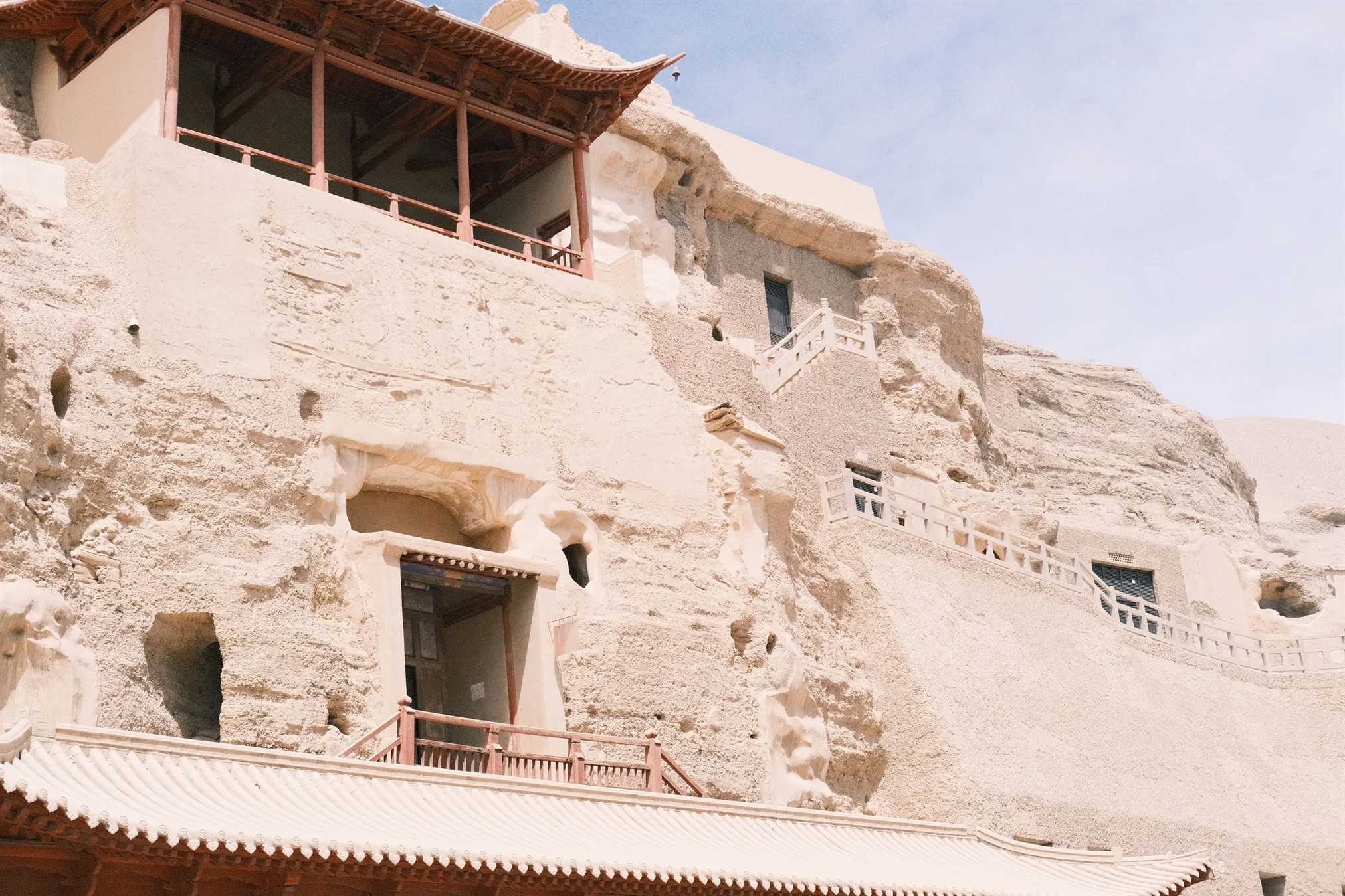
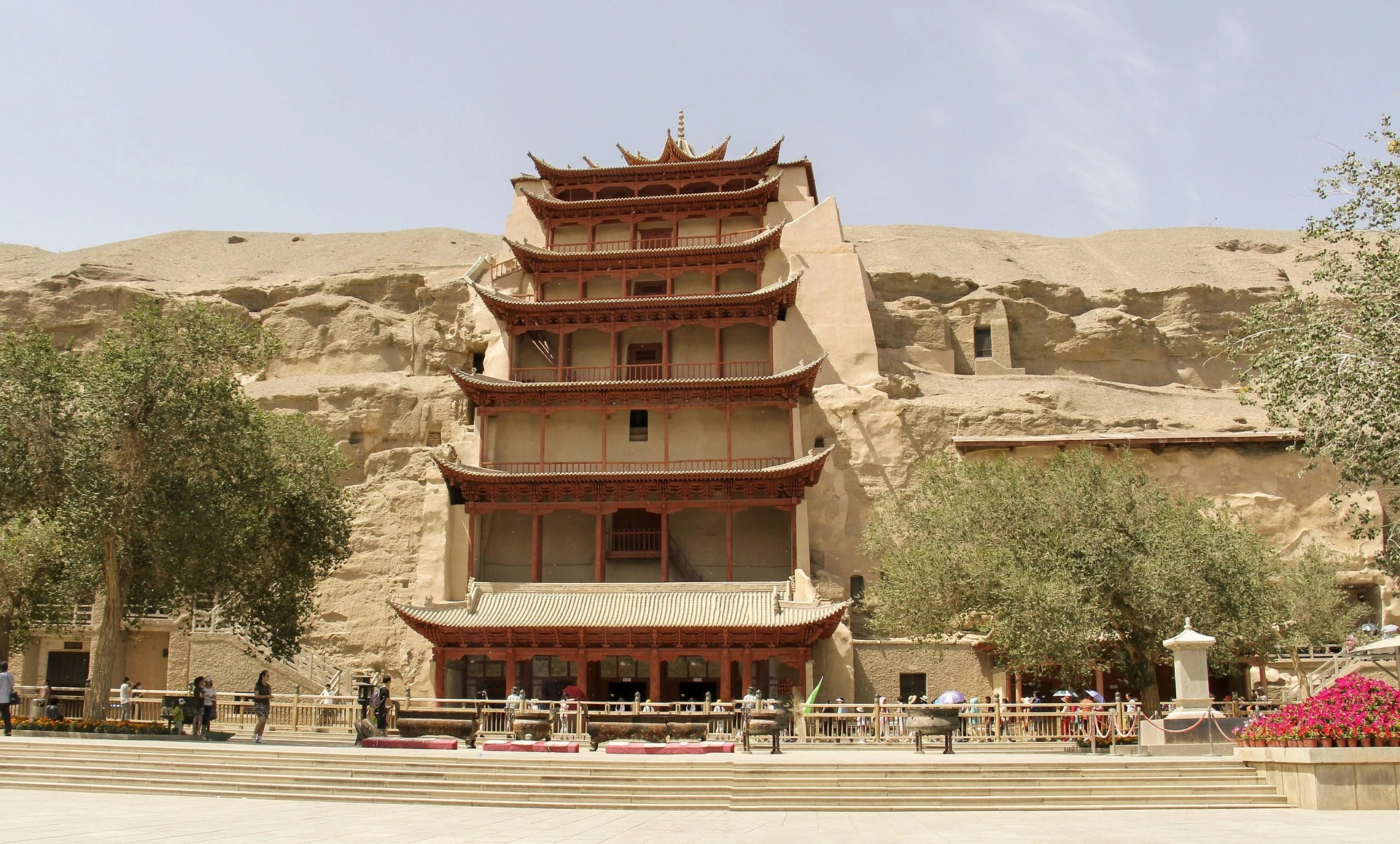
Mogao Caves hold official UNESCO World Heritage recognition, housing four hundred ninety-two painted caves covered with 45,000 square meters of intricate murals. There’s nowhere else on the entire planet with such a massive intact collection of ancient Buddhist artwork preserved in situ. I’ve watched countless travel content creators post short viral clips of the flying apsaras murals online, yet even their polished edited footage can’t capture how vivid faded mineral pigments look standing directly in front of cave walls—this sensory shock stuns every first-time visitor.
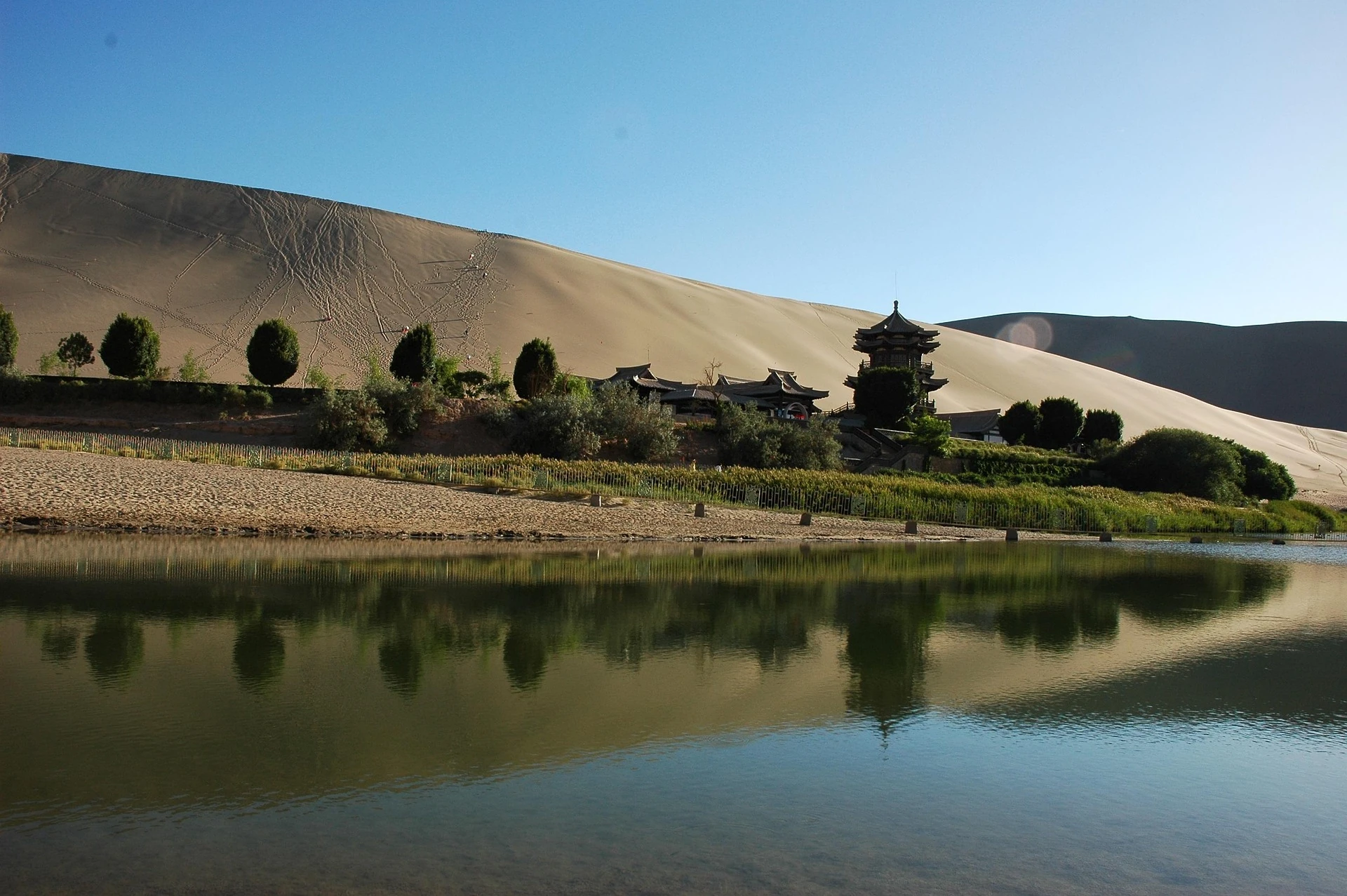
Hike up Mingshashan, the Echoing Sand Mountain, then glance over toward Crescent Lake. This tiny desert spring oasis’s clung to constantly shifting dunes for two thousand years straight. Multiple online travel bloggers sent out strong warnings: brutal desert wind blasts fine sand straight onto camera lenses when you climb high ridge viewpoints. Pack a soft lens cleaning cloth in your daypack for landscape shots, or you’ll spend ages wiping grit off every photo.
Drive out to Yumen and Yangguan Passes—these old border gateways once marked the spot where Han Dynasty merchant caravans stepped through, heading west toward uncharted foreign territories. Half-buried ancient city ruins scatter all across surrounding wilderness, slowly swallowed bit by bit by drifting desert sand year after year.
Ride camels across golden rolling dunes as the sun sinks low at dusk. Sleep overnight in open-air desert camps after dark, under a sky overflowing with thousands of brilliant stars. Zero city light pollution dulls their glow out here; European and North American travelers consistently say desert stargazing beats any night sky they’ve seen back home. Don’t skip authentic local Silk Road cuisine while visiting: tender slow-braised mutton, crusty clay-baked naan flatbread, sweet seedless grapes grown in vineyards planted two thousand years ago by ancient traders.

Destinations
Detailed Itinerary
Day 1: Arrive in Dunhuang
You’ll land in Dunhuang, a small oasis city tucked deep within the vast Gobi Desert. Drop all luggage off at your hotel first and rest properly after long cross-country travel hours. Many international flights require multiple connecting transfers via larger Chinese cities, brutal jet lag hits far harder in this dry desert climate, don’t underestimate it.
Spend your afternoon wandering the Silk Road Museum. Glass display cases line walls filled with genuine relics recovered from ancient Han trade caravans: cracked porcelain shards, frayed aged silk fragments, worn copper trading coins. One travel vlogger I follow religiously said spending just one full hour exploring the museum made every mural you later view inside Mogao Caves far easier to contextualize and appreciate—don’t skip this pre-cave stop.
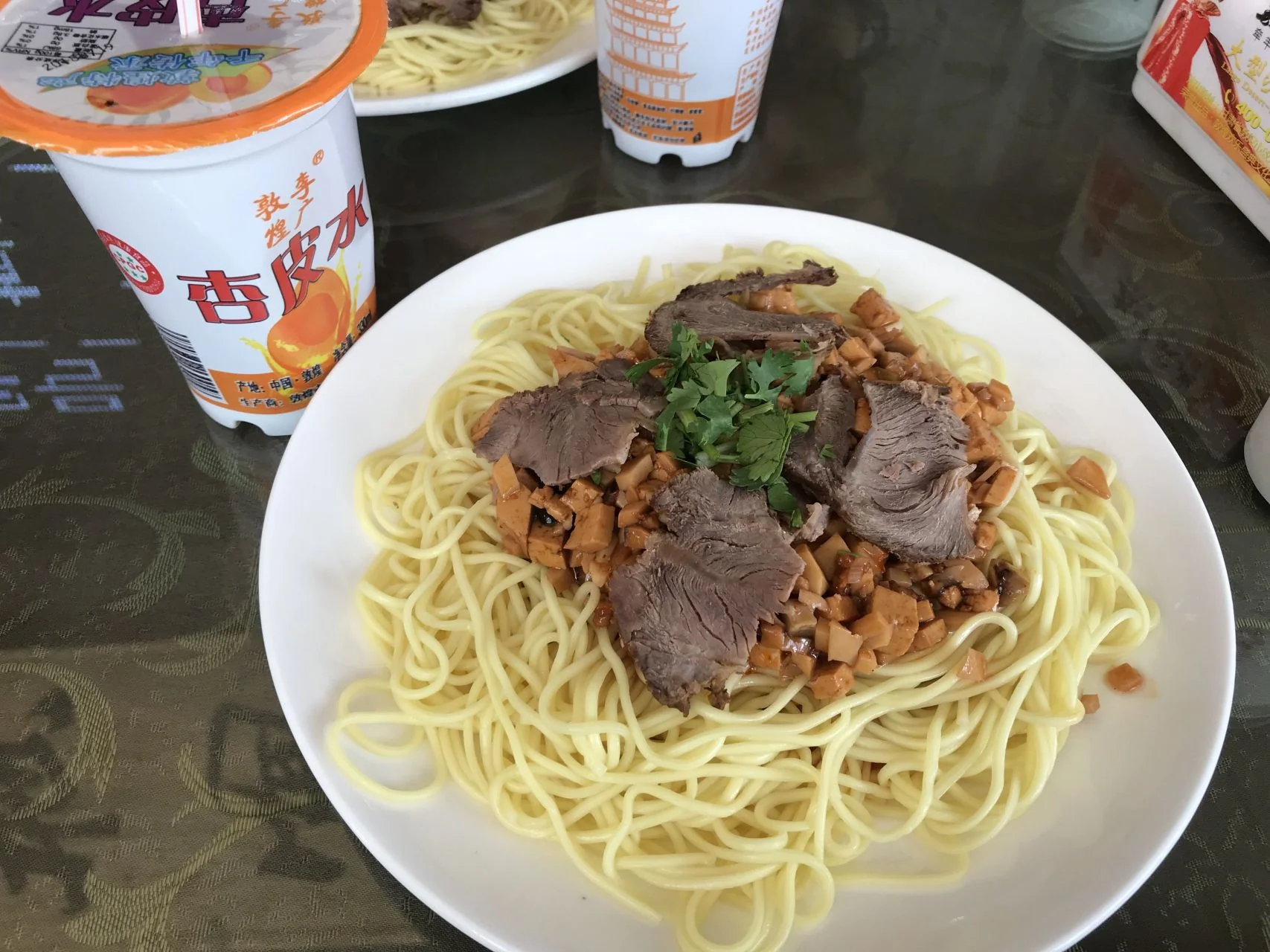
Once darkness falls, stroll Shazhou Night Market for street food. Grab bowls of hearty donkey meat noodles and warm soothing apricot peel tea from roadside vendor stalls. Walk toward the city’s outer edge to watch desert dunes shift into burnt orange and deep red hues as the sun fully sets below the horizon.
Day 2: Explore Mogao Caves, home to unmatched Buddhist art
Start your morning bright and early at Mogao Caves, the UNESCO protected site holding the richest surviving collection of Buddhist artworks anywhere across the globe. Official guides lead small limited tour groups through seven or eight handpicked caves spanning a thousand years of creation, ranging from the 4th century all the way to the 14th century. Look upward to admire sprawling murals depicting Buddhist scripture tales, dancing feitian celestial fairies, heavenly musicians floating weightless mid-air. Don’t overlook Cave 17, the famous Library Cave, where fifty thousand ancient handwritten manuscripts got unearthed back in 1900.
Critical blunt warning: Site guards ban all photography completely inside every cave chamber. They perform mandatory full bag searches before entry, zero loopholes or workarounds for sneaking photos—several tourists tried hiding cameras last year and had devices temporarily confiscated, avoid this hassle entirely.
Grab a casual local lunch, then head over to the Dunhuang Digital Exhibition Centre. Giant dome-screen films showcase complete cave interiors and faded murals in ultra-sharp high definition you can’t see in person inside restricted caves. The on-site exhibition hall also holds replica art pieces and unearthed archaeological relics you can examine up close without strict no-touch rules.
If you’re interested, book evening tickets for Encore Dunhuang that night. This immersive live stage performance uses professional dance troupes and live instrumental music to retell timeless old Silk Road legends. Multiple overseas travelers online noted seats furthest back grant full unobstructed wide views of elaborate multi-layered stage sets; front rows block large backdrop sections for taller visitors.
Day 3: Mingshashan & Crescent Lake
Leave extra early to reach Echoing Sand Mountain, better known locally as Mingsha Shan. This stretch of singing sand dunes runs 40 kilometres long, tallest peaks rising 250 metres above flat desert floor.
Join a slow camel caravan tramping along paths merchants used hundreds of years ago. You’ll move steadily through endless empty desert scenery most people only watch in documentaries back home. Rent a lightweight sandboard to slide down steep dune slopes—fair warning, fine sand gets trapped inside every pocket, jacket zipper, shoe lining afterward, expect brushing sand off yourself for days post-hike.
Later on, hike downhill to Crescent Lake, a natural underground spring feeding this distinct moon-shaped pool. Miraculously, it’s resisted full burial by creeping sand for more than two thousand years. Climb nearby low dunes for wide landscape shots capturing the whole oasis; visit before midday if you want soft diffused light—harsh overhead midday sunlight washes out all color in photos easily.
Evening brings full barbecue dinners set directly on sand dune flats. Stay outdoors once you finish eating to stargaze uninterrupted. Far removed from all city light pollution, the Gobi desert sky reveals countless faint stars you barely catch a glimpse of in European or North American urban areas. Quick tip: Pack a thin lightweight windproof jacket—desert temperatures plummet drastically the second the sun disappears below dunes.
Drive ninety kilometres northwest first thing in the morning to reach Yumen Pass, also called Jade Gate Pass. This Han Dynasty frontier fortress dates all the way back to the 2nd century BCE. Stand exactly where ancient trade caravans once completed customs checks before heading deep into the Western Regions.
Short casual walks from the pass lead to crumbling intact segments of the Han Great Wall. Builders layered rammed earth mixed with reeds to construct these structures, letting them stand firm for two full millennia despite constant wind and sand erosion. The entire historical site barely has any shaded shelter spots whatsoever; bring extra large bottled water to beat heat exhaustion on hot summer travel days.
Keep driving onward toward Yardang National Geopark, nicknamed Devil City by local residents. Wind carved these bizarre jagged rock formations across 25 kilometres of empty wasteland over thousands of years. Their shapes shift constantly, resembling ancient castles, stone lions, stranded wooden ships depending on how sunlight hits rock surfaces at different hours.
Hop aboard the park’s sightseeing shuttle bus to loop through clusters of unique rock formations, stopping exclusively at designated official viewing platforms. During peak summer tourist season, you might wait twenty minutes or longer between bus departures to each viewpoint—set aside extra spare time to account for these delays so you don’t rush sightseeing.
Head back into central Dunhuang by late afternoon. Have dinner at a local family restaurant serving signature Dunhuang lamb pilaf and flatbread baked inside traditional clay ovens.
Day 5: Shazhou Ancient City & Departure
Spend your final morning wandering Dunhuang Ancient City, a full-scale Tang Dynasty market originally built as a filming set for historical costume dramas. Wander reconstructed wooden streets, climb tall wooden watchtowers, browse replica ancient bazaar stalls selling Silk Road-style handicrafts. You can rent full authentic Tang-era costumes for photos, multiple overseas visitors mentioned rental sizes run far too small for taller Western body types, double-check sizing before paying fees.
After lunch, wander downtown souvenir markets browsing handmade local goods: carved wooden lacquerware, soft woven camel-hair carpets, dried unique Liguang apricots grown only in this desert valley.
A dedicated shuttle bus drops you straight off at Dunhuang airport or central train station to wrap up your full Silk Road travel itinerary. Complimentary hotel breakfast gets included every morning; a local restaurant serves arranged lunch right before your departure transfer departs.
Immersive Experience
Instead of only viewing Dunhuang’s murals from afar, join an authentic ancient mural copying workshop. This experience is friendly and accessible for all international guests. You work on a real mud wall panel that replicates the texture of ancient Mogao Grotto walls. You use pure natural mineral pigments, exactly the same materials ancient painters used thousands of years ago. Under the master’s guidance, you sketch simplified flying apsaras, clouds, and classic Silk Road patterns. You do not need perfect replication—just enjoy the ancient painting rhythm. You draw soft outlines and fill colors layer by layer with slow, gentle strokes. After minor finishing touches, your unique Dunhuang mural artwork is complete. This hands-on session lets foreign travelers touch world heritage up close. You will feel the elegance and depth of Silk Road art far beyond museum displays and keep a personal piece of Dunhuang’s ancient beauty.
What's Included & Excluded
Included
- Mogao Cave tickets (special caves access)
- Mingshashan and Crescent Lake
- Yumen and Yangguan Pass
- Camel trekking (2 hours)
- Desert camping equipment
- Expert Silk Road historian guide
- Daily meals (4 breakfasts, 4 lunches, 4 dinners)
- Desert BBQ dinner
Excluded
- Flights to/from Dunhuang
- Personal travel insurance
- Tips for guides and camel handlers
- Personal purchases (silk, crafts)
- Alcoholic beverages
What to Bring
- Sun hat and sunscreen (SPF 50+)
- Desert-appropriate clothing (light, breathable, with warm layer for nights)
- Camera with wide-angle lens for desert landscapes
- Warm layer for desert nights (temperatures drop significantly after sunset)
- Water bottle (stay hydrated in dry climate)
- Sunglasses
- Headlamp for desert camp
- Lip balm with sunscreen
Gallery
Accommodation
Your lodging choices shift across this itinerary, split between central city mid-range hotels and remote open-air desert camp tents for day three’s overnight. City hotel rooms come with consistent hot water, private en-suite bathrooms and stable air conditioning, great for beating desert heat. Desert camp stays trade private restrooms for unmatched unobstructed stargazing after sunset, most travelers accept this small inconvenience gladly.
All daily meals are arranged flexibly: free breakfast with every hotel booking, lunch and evening dinners left open for you to pick local eateries except pre-planned barbecue on day three’s desert trip.
Cultural Notes
Age-old Silk Road caravan culture lingers visibly everywhere across Dunhuang. One non-negotiable hard rule to memorize: taking photos inside any Mogao Cave chamber’s fully forbidden. Site staff run mandatory bag searches on every visitor entering the cave complex to strictly enforce this regulation, no exceptions.
At Yumen and Yangguan Passes, local performers host a classic ancient send-off ritual, pouring rice wine to bid farewell to travelers heading west. They automatically swap alcoholic wine out for non-alcoholic grape juice by default, perfect for anyone avoiding liquor for personal or religious reasons.
Han, Hui and Uyghur cultural customs blend seamlessly side-by-side all across Dunhuang’s neighborhoods. If you walk through Muslim residential blocks, greet local residents with the simple phrase 'Assalamu alaikum' as a small respectful gesture they deeply appreciate.
Local Food & Drink
Hand-pulled beef noodles act as the universal go-to breakfast dish all across Dunhuang town. You can watch skilled chefs stretch fresh dough by hand through large front shop windows, a fun quick activity before eating.
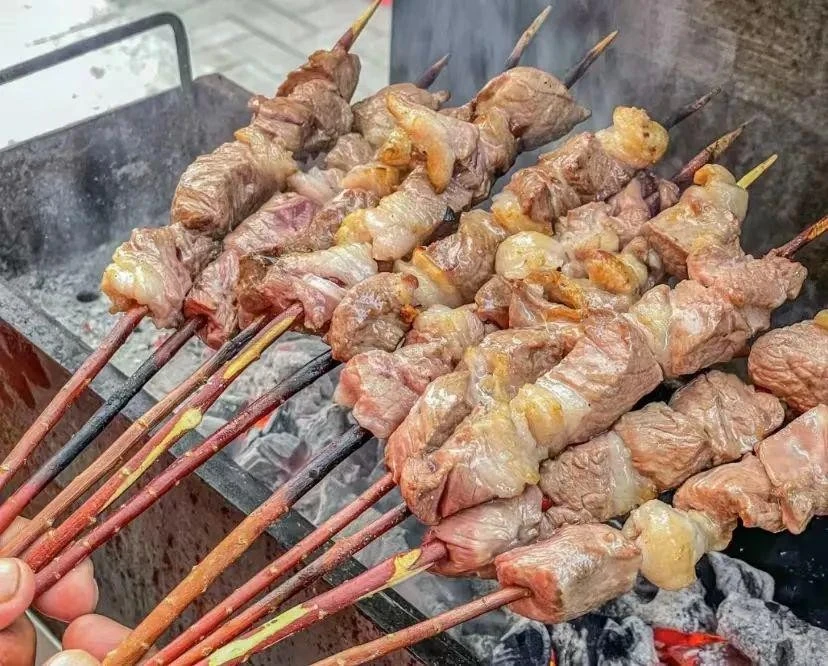
Street food staple picks include tender mutton kebabs priced at roughly $1 each, plus stuffed naan flatbread baked inside clay kilns. Valleys surrounding Dunhuang grow seedless white desert grapes; try fresh fruit or sun-dried raisins sold at every Shazhou Night Market stall.
One gentle cultural reminder: skip ordering pork dishes at any Muslim-run restaurants out of basic cultural and religious respect for local customs.
Budget Reference
Disclaimer: Prices above are estimates only for informational purposes. Hidden China does not directly sell or book travel packages. Final pricing depends on travel season, exact itinerary length, room category, private vs shared transport, and operator availability. We recommend contacting at least 2–3 local licensed operators to compare tailored quotes before booking.