Route Overview
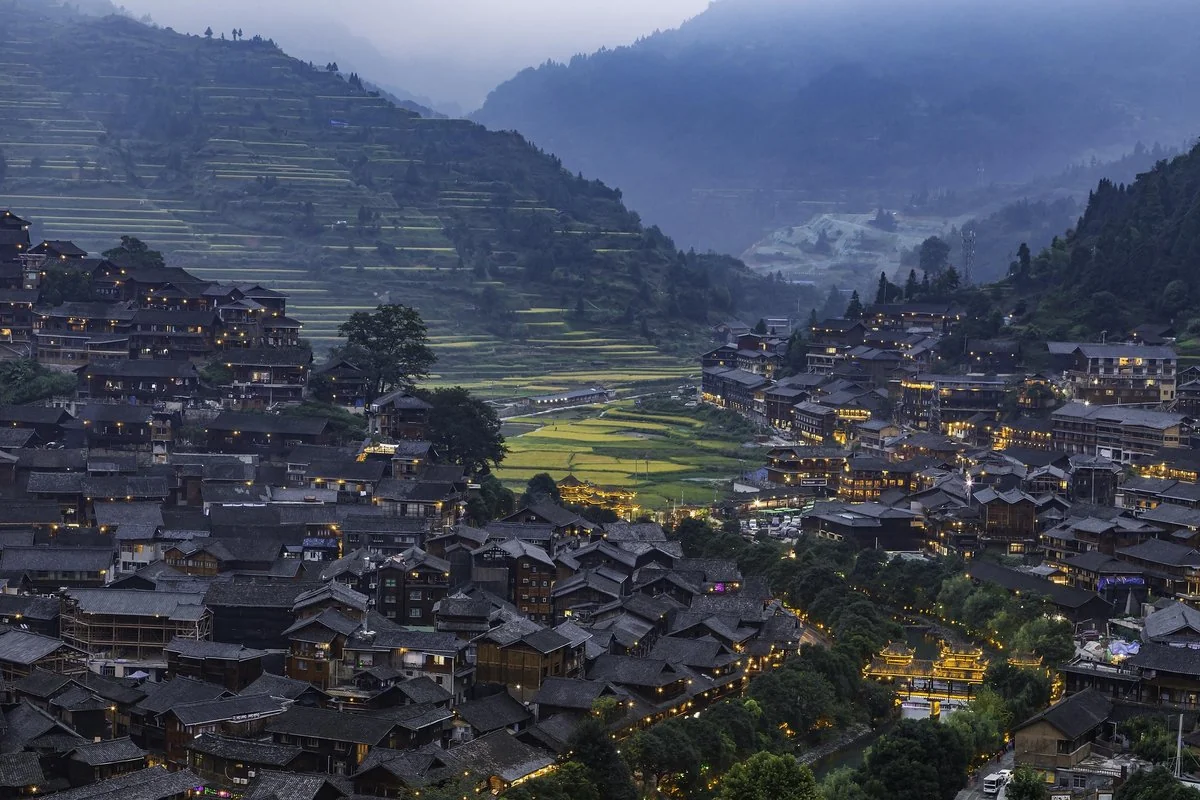
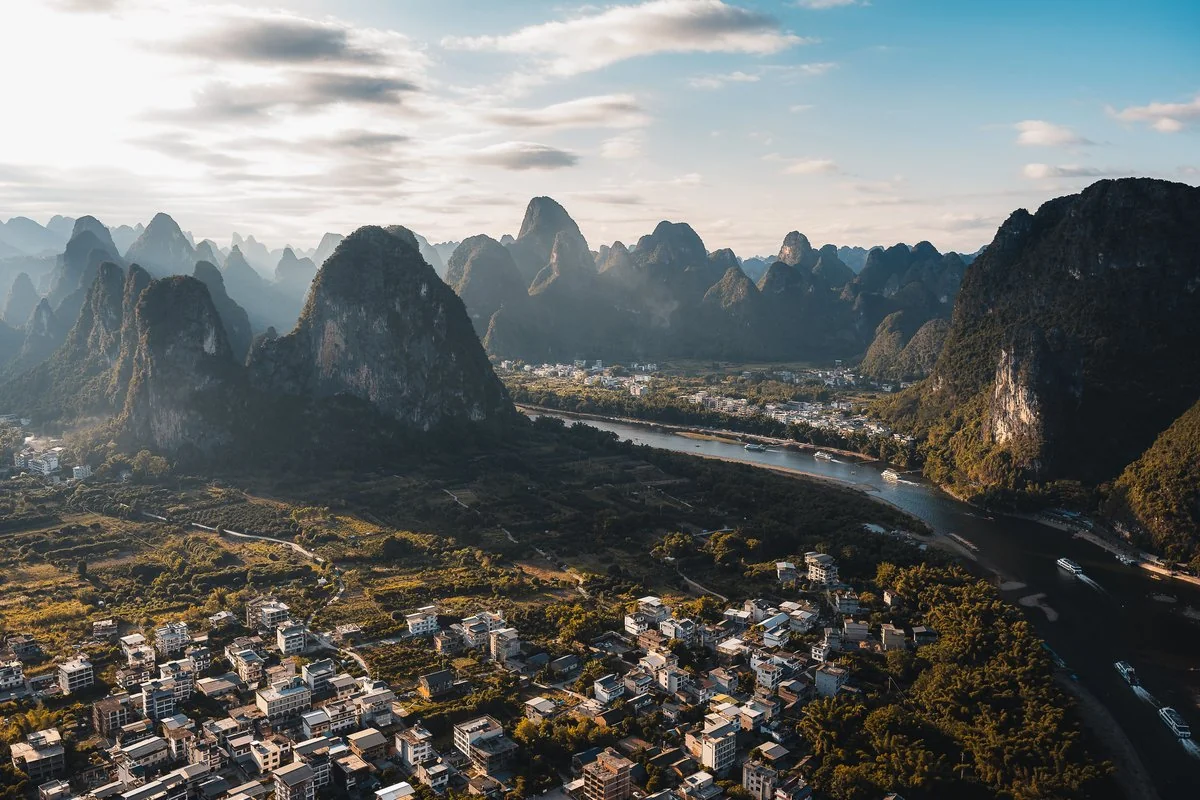
A 12-day grand journey through Xinjiang, China's vast and diverse western frontier. From the snow-capped Tianshan Mountains to the ancient Silk Road cities of the Tarim Basin, experience breathtaking landscapes, rich ethnic cultures, and unforgettable adventures.
Why Choose This Route
- Tianshan Heavenly Lake & Glacier National Park
- Kanas Lake & Tuva Ethnic Villages
- Karakul Lake & Muztagh Ata Peak
- Kashgar Old Town & Sunday Bazaar
- Turpan Flaming Mountains & Grape Valley
- Kazakh yurt stay & horse trekking
- Silk Road historical sites & desert dunes
Detailed Description
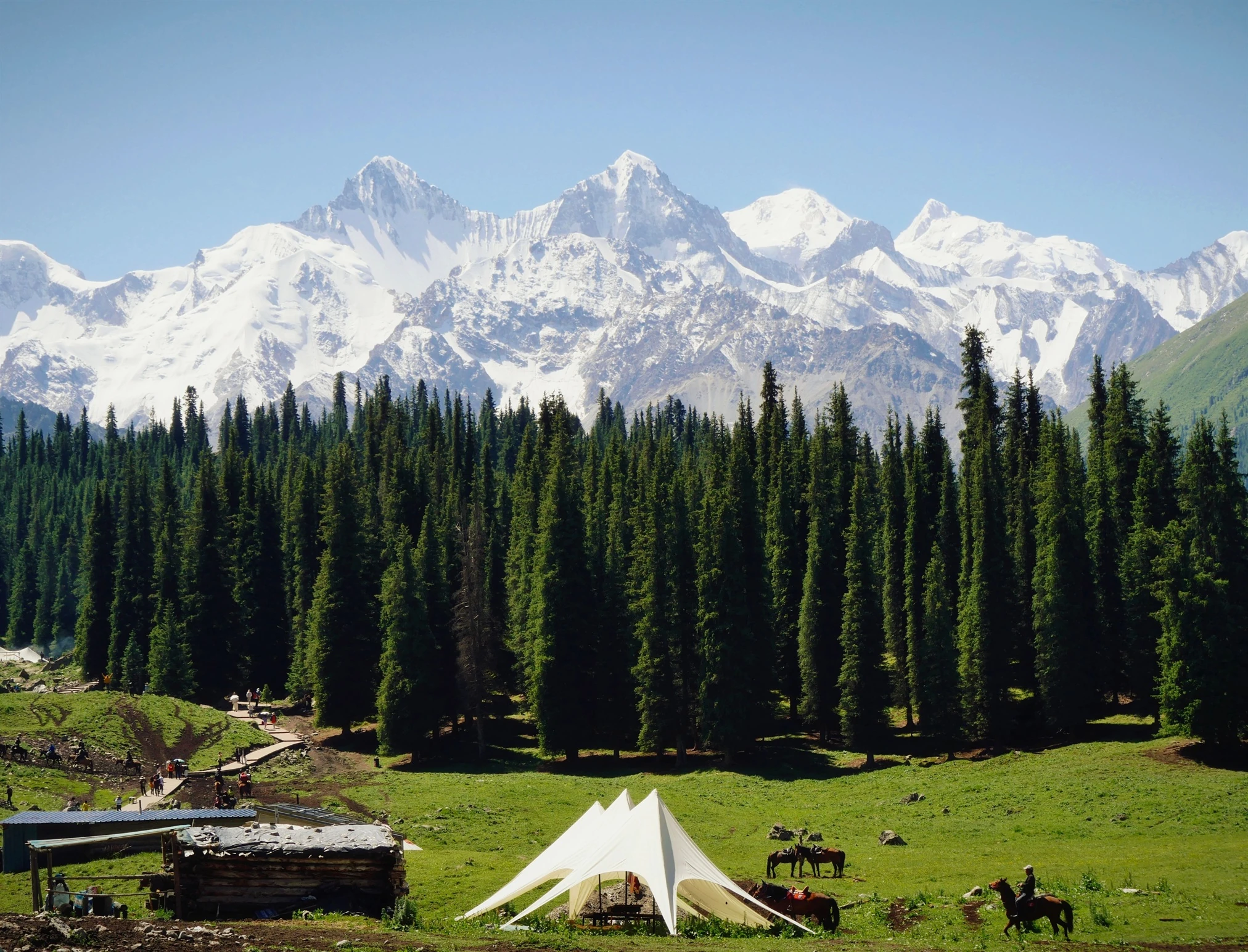
This 12-day cross-Xinjiang adventure covers China’s biggest autonomous region, a vast territory over 1.6 million square kilometres home to dozens of ethnic groups living side by side. Loads of overseas travel bloggers told me you can’t find such wildly contrasting landscapes crammed into one single route anywhere else on the globe. One minute you gaze up snow-capped Tianshan peaks, the next stare at translucent alpine lakes shifting hues hour by hour, endless rolling desert dunes, and quiet ancient Silk Road oasis towns tucked deep within dry basins. Photo opportunities are endless here.
We kick off the whole trip in Urumqi, the regional capital, then drive north deep into Altay Mountains toward Kanas Lake. Its waters keep changing colour all day long, and local Tuva clans still preserve ancient shaman customs passed down through generations. Wander larch forests, crash overnight in genuine Kazakh yurts, and taste nomadic hospitality barely altered for hundreds of years. A lot of foreign backpackers raved that homemade dairy treats from local herders alone made this northern mountain stretch worth every bumpy transfer ride.
Later we head south along Karakoram Highway all the way to Kashgar, China’s westernmost city, a bustling Silk Road trade hub with more than 2,000 years of history. Get lost wandering tangled narrow alleyways inside the Old Town, roam the bustling Sunday market packed with Central Asian vendors laying out piles of goods, then drive out to Karakul Lake sitting right beneath Muztagh Ata, fondly named 'Father of Ice Mountains' by local herdsmen.
We press east across the Tarim Basin until reaching Turpan. Clever ancient underground irrigation tunnels keep this desert oasis lush and fruitful. Drop by Flaming Mountains, famous from Journey to the West, explore crumbling ruins of Jiaohe Ancient City, and bite ultra-sweet grapes fresh from vines in Grape Valley. A tiny gripe nearly every visitor shares: Turpan’s midday summer heat is brutal, skip long outdoor walks between noon and 3 PM.
This tour isn’t just ticking landmark boxes; it lets you dive straight into authentic Central Asian culture. Uyghur, Kazakh, Kyrgyz, Tajik and Han communities blended their customs along the old Silk Road over thousands of years, and every market chat, homestay meal and village stroll lets you feel this layered cultural mix up close.
Destinations
Detailed Itinerary
Day 1: Urumqi Arrival
Touch down in Urumqi, Xinjiang Uygur Autonomous Region’s capital. Meet your guide right after baggage claim, then head to accommodation to drop luggage.
Spend the whole afternoon at Xinjiang Regional Museum, a casual crash course covering local history and multi-ethnic traditions. A handy travel hack shared by countless overseas guests: crowds flood the museum after 2 PM, so visit straight after lunch to skip long queues. One minor annoyance many travellers flagged: English captions on exhibition displays are printed tiny across several halls, bring reading glasses if you rely on them.
We wrap the day with a welcome feast of authentic Uyghur dishes, paired with live local folk music playing through dinner.
Meals covered: Dinner
All city stays across the trip feature well-equipped private rooms with attached en-suite bathrooms, subtle ethnic decor mixed into standard modern furnishings. For this first night, we settle at a clean downtown Urumqi city hotel as our base. Remote mountain sections swap hotel rooms for pastoral yurt camps with shared wash blocks, all kept neat and supplied with hot running water. Solo guests can pay a single room supplement for exclusive use of one bedroom. Western sit-down toilets come standard in all city hotels; a handful of remote mountain villages only have squat-style facilities, so keep toilet paper and hand sanitizer in your daypack always.
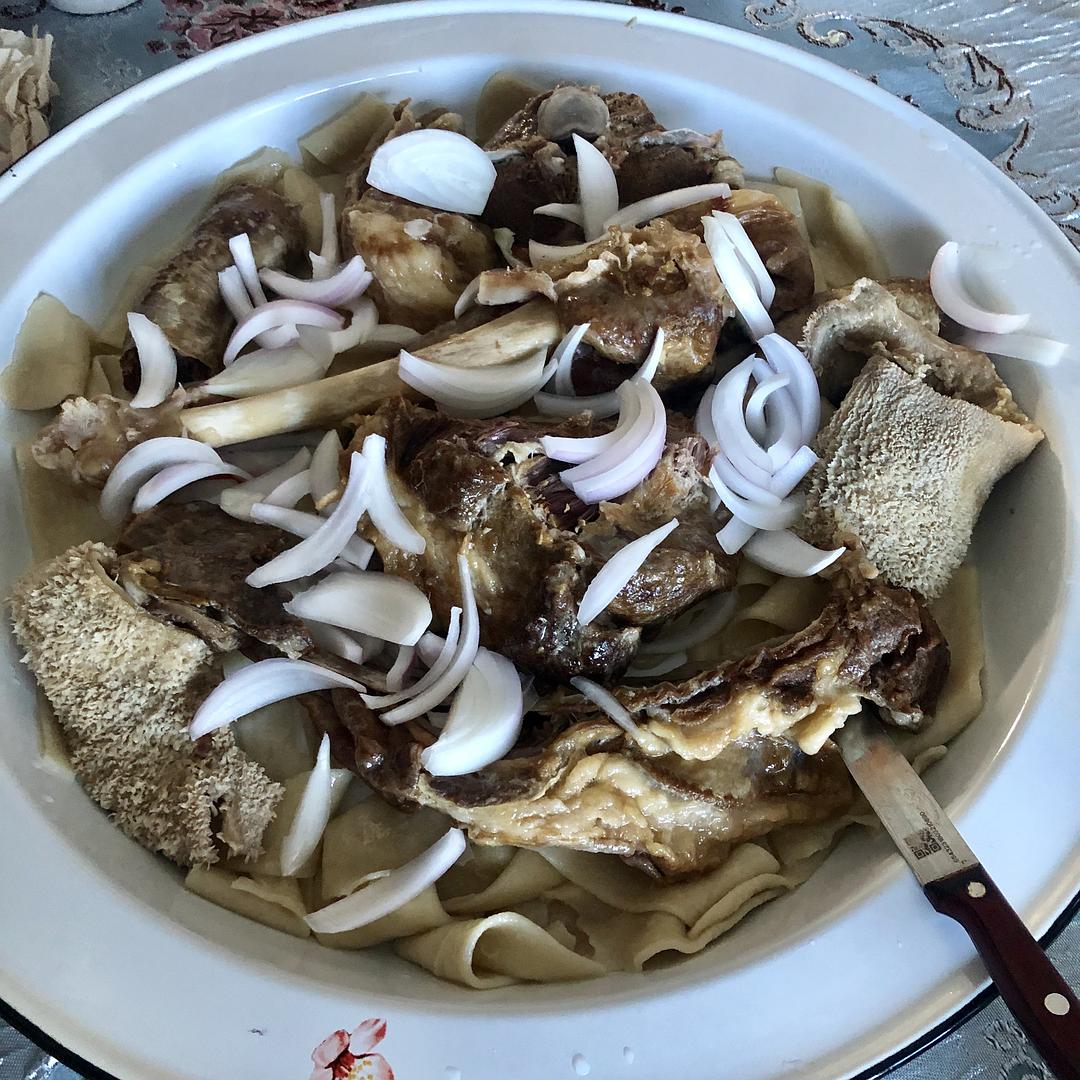
All catered meals throughout the tour serve generous shared halal platters mixing Uyghur, Kazakh and broader Central Asian flavours. Signature picks cover laghman hand-pulled noodles, kao yang rou roast lamb, nang flatbread, polu lamb carrot pilaf, plus fresh seasonal fruit served every time we dine. Breakfast spreads usually include nang, homemade yoghurt, fruit jam and boiled eggs; lunch and dinner bring multiple shared plates of tender meat, stir-fried greens and flatbread sides. Rough daily food budget per person runs ¥120 ($16.7) to ¥200 ($27.9). Stick to halal eateries for full menu options, while remote mountain towns offer far narrower food choices. Pack energy bars for lengthy highway transfers—some drives stretch six to eight hours with barely any roadside dining stops. Multiple vloggers said protein bars saved them from hunger meltdowns on long trips.
Day 2: Urumqi → Tianshan Heavenly Lake
Set off early morning northbound for Tianchi, also called Tianshan Heavenly Lake, an alpine lake resting 1,980 metres up within the Bogda Peak range. Wander lakeside footpaths, admire snow-dusted mountain ridges stretching far into the distance, and pop into the weathered Taoist temple built along the water edge.
Spend the afternoon hiking spruce forest trails leading to a waterfall overlook, then drive back to Urumqi before sunset.
Quick practical tip: Grab bottled water in Urumqi before heading uphill—vendors by the lake charge double the regular price. Wind picks up fiercely by mid-afternoon even in summer, toss a lightweight windbreaker into your bag.
Meals covered: Breakfast, Lunch, Dinner
Accommodation remains the same downtown Urumqi city hotel as Day 1.
Day 3: Urumqi → Kanas (Flight + Road Transfer)
Catch an early morning flight to Altay city, then ride a private car roughly three hours through winding mountain roads to Kanas Lake scenic zone. A huge pain point warned by all foreign creators: cell signal cuts out entirely halfway through the mountain drive, download offline navigation maps before departing Urumqi without fail.
Start exploring the lake zone once we arrive in the afternoon, wander flat shore trails and climb Fish-Watching Pavilion for wide panoramic lake views.
After dark, we switch accommodation type entirely—overnight at a tiny local Tuva homestay steps away from the lake. One common flaw reported by guests: hot water pressure weakens drastically if multiple visitors shower consecutively.
Meals covered: Breakfast, Lunch, Dinner
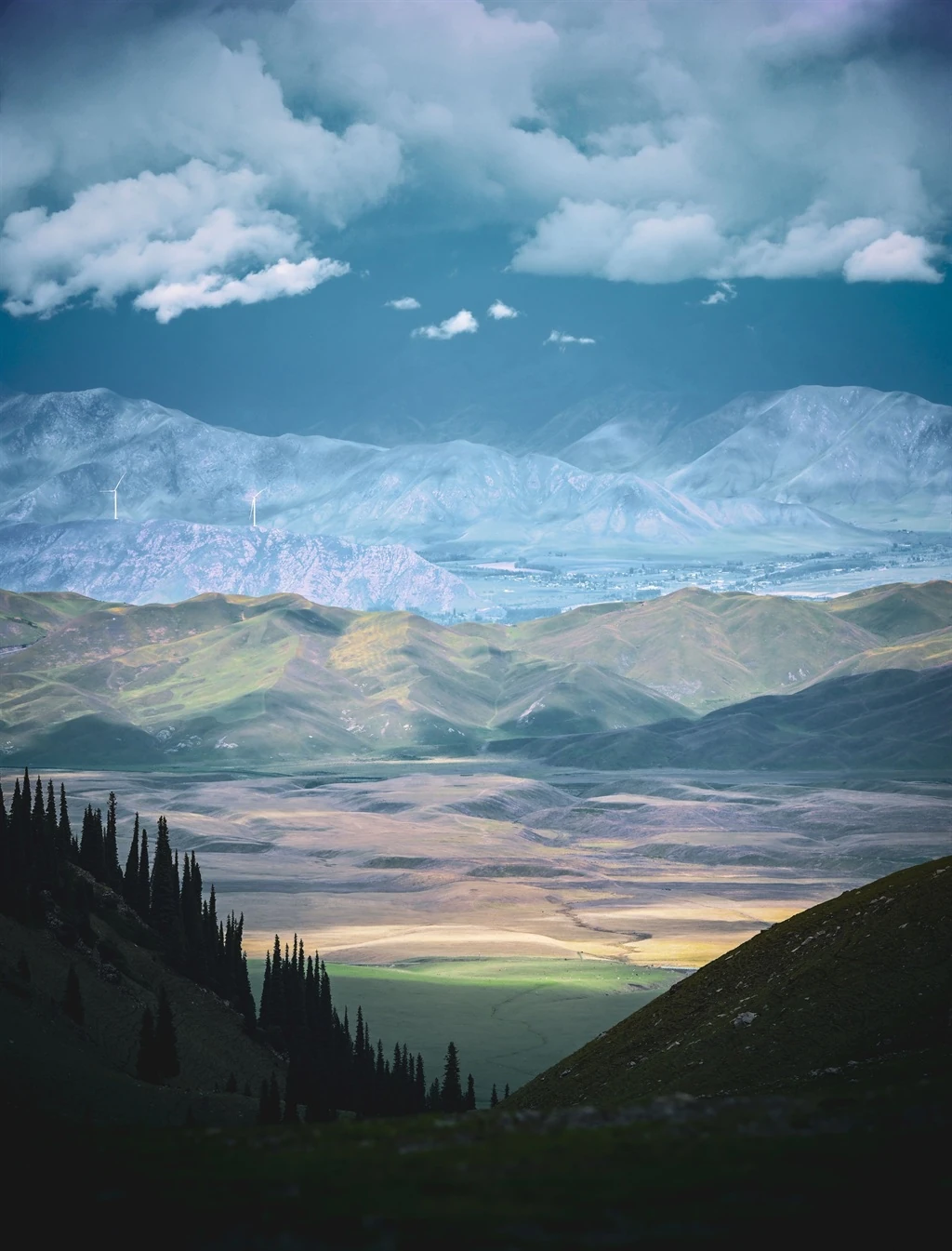
The entire day is free to wander Kanas Lake at your own pace. Wake up extra early on clear days to catch dreamy sunrise light spilling over the water; every landscape photographer on past tours named this their favourite shooting moment of the whole Xinjiang circuit. Hop on lake boat tours to reach hidden small coves unreachable by foot.
Hike marked trails toward Moon Bay and Wolong Bay, the two spots delivering the most dramatic lake-and-mountain landscape shots of the trip. Heads-up from regular visitors: boat tour tickets sell out lightning fast on weekends, reserve your spot right after breakfast. Mosquitoes swarm all lakeside trails once dusk falls, pack strong insect repellent.
In the afternoon, we visit a nearby Tuva ethnic village, where locals walk you through daily routines and age-old living customs.
Meals covered: Breakfast, Lunch, Dinner
We stay at the same Tuva lakeside guesthouse as Day 3.
Day 5: Kanas → Burqin → Karamay
Leave Kanas post-breakfast, drive back through Burqin town then continue west toward Karamay. We spend hours stopping at Wuerhe Ghost City, a vast yardang landform fully carved by wind. Jagged wind-shaped rock pillars stretch endlessly, and gusting winds create weird echoing noises drifting through stone gaps—equal parts eerie and incredibly photogenic.
We roll into Karamay once evening arrives. One annoying detail on this long highway stretch: zero covered rest stops line the route, midday sunlight blazes with no shade whatsoever. Bring a wide sun hat and high-SPF facial sunscreen.
Meals covered: Breakfast, Lunch, Dinner
For this night, accommodation shifts to a tidy central Karamay city hotel matching the standard downtown hotel layout we had in Urumqi.
Day 6: Karamay → Kashgar (Flight Transfer)
Two pre-arranged morning travel options are ready for you: either drive back to Urumqi first then catch a connecting flight, or take a direct flight departing Karamay bound for Kashgar—our team sorts all flight bookings in advance with no extra planning needed from guests.
The afternoon stays unstructured for you to wander Kashgar Old Town freely. Mud-brick houses twist into tangled alleyways dotted with tiny mosques and street food stalls; we’ll visit Id Kah Mosque, China’s largest mosque compound.
After sunset, roam night market stalls and sample cheap, flavourful local street snacks.
Meals covered: Breakfast, Dinner
We check into a well-located downtown Kashgar city hotel this evening, consistent with our standard city lodging setup.
Visitor reminder: Mosque entry closes one hour before sunset, schedule your visit for early afternoon. Night market vendors only accept cash, carry small yuan banknotes on hand.
Day 7: Kashgar Sunday Bazaar & Extended Old Town Wander
This day’s core highlight only runs every single Sunday—do not miss the iconic Sunday Grand Bazaar, one of Central Asia’s biggest traditional open-air markets. Thousands of vendors set up stalls selling hand-woven carpets, silk fabric, livestock, dried spices and tiny handmade trinkets.
In the afternoon, we head over to Abakh Khoja Mausoleum, then explore quiet hidden Old Town side lanes skipped by most mainstream tour groups.
Meals covered: Breakfast, Lunch, Dinner
We remain at the same downtown Kashgar city hotel as Day 6.
Market bargaining trick shared by seasoned shoppers: Local vendors start with inflated asking prices; bargain gently with a steady smile, avoid storming off mid-negotiation. Crowds grow overwhelming after 10 AM, arrive ahead of then to browse without pushing through masses of people.
Day 8: Kashgar → Karakul Lake
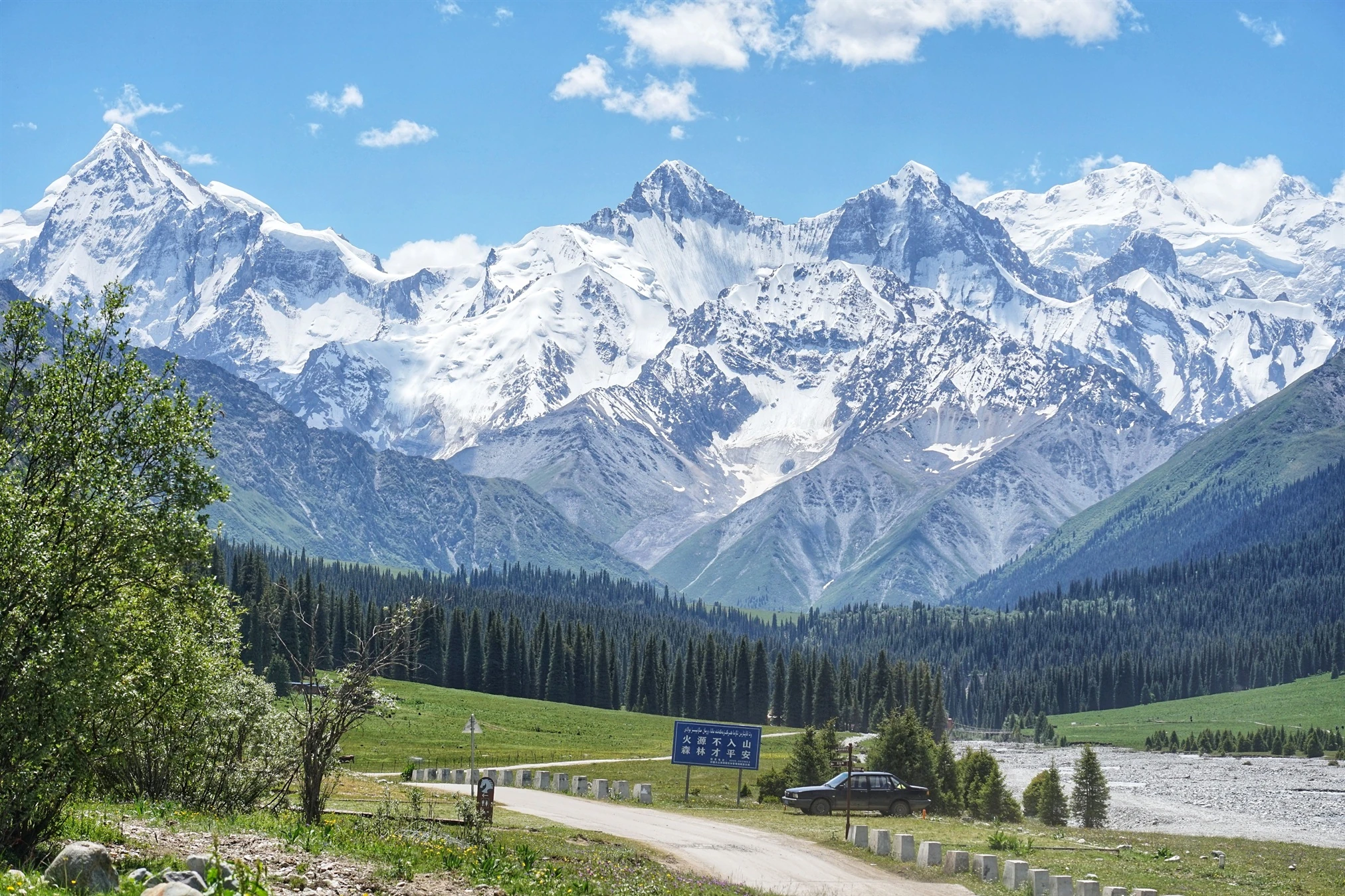
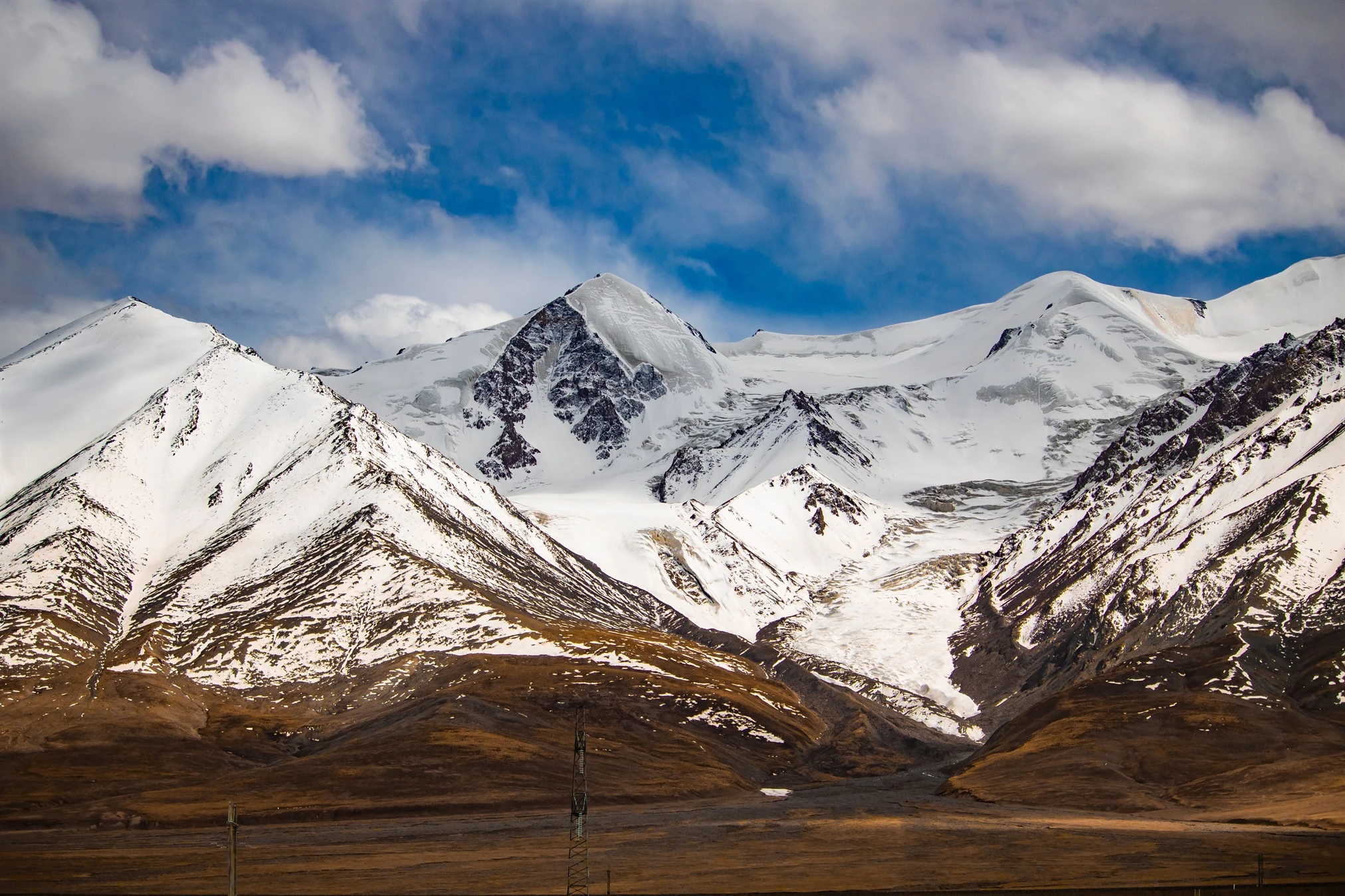
We spend the whole day driving out along Karakoram Highway toward Karakul Lake, sitting at 3,600 metres above sea level. The road winds through steep mountain terrain, offering unbroken panoramic views of Muztagh Ata standing 7,546 metres tall, locally nicknamed 'Father of Ice Mountains'.
Spend all afternoon beside the lake, chat with nearby camping Kyrgyz nomad families, then switch lodging again to a traditional felt yurt camp overnight.
Altitude warning: Lots of travellers suffer mild headaches above 3,200 metres elevation. Drink rhodiola tea two full days before reaching this high mountain stretch to ease discomfort. Shared wash facilities at the yurt camp carry very limited hot water overnight.
Meals covered: Breakfast, Lunch, Dinner
Day 9: Karakul Lake → Kashgar
Spend early hours wandering Karakul Lake shorelines. Sunrise light reflecting across the water creates unrivalled landscape photos. Optional laid-back activities include casual lakeside walks or short camel rides along the bank. Always confirm the full 15-minute camel ride price before climbing aboard—some vendors slip in hidden extra fees otherwise.
We drive back to Kashgar through mountain passes in the afternoon; light traffic jams frequently pop up late on the return route. Our final evening lets you browse Kashgar market stalls one last time, followed by a farewell dinner paired with live Uyghur folk dance performances.
Meals covered: Breakfast, Lunch, Dinner
Accommodation reverts back to our downtown Kashgar city hotel from Days 6–7.
Day 10: Kashgar → Turpan (Flight Transfer)
Board a morning flight heading for Turpan.
Afternoon sightseeing kicks off with Jiaohe Ancient City, a 2,000-year-old Silk Road settlement built on a wide river terrace. Tour the Karez irrigation network, ancient underground water tunnels channelling melted mountain snow toward desert farmlands.
Roam Turpan night market once darkness falls.
Meals covered: Breakfast, Dinner
This night’s accommodation is a neat central Turpan city hotel matching our regular urban lodging standard.
Small travel hassle to note: The entire ancient city site has zero shade cover, avoid visiting between noon and 3 PM through hot summer months.
Day 11: Full Day Turpan Exploration
We reserve the full day to hit Turpan’s most famous scenic spots.
Morning stop at Flaming Mountains—red sandstone cliff faces glow vivid orange under direct sunlight. Next we head to Grape Valley, filled with sprawling vineyards and fruit orchards stretching endlessly.
Afternoon itinerary covers Gaochang Ancient City ruins and Bezeklik Thousand Buddha Caves. Step inside traditional grape drying houses and taste fresh local raisins straight off drying racks. Cave interiors stay extremely dim, bring a small portable torch to clearly view murals inside.
Meals covered: Breakfast, Lunch, Dinner
We stay at the same central Turpan city hotel as Day 10.
Food tip: Grape Valley fruit stalls hand out free grape samples before purchase; Turpan seedless grapes cost roughly ¥8 ($1.1) per kilogram, super budget-friendly for backpackers.
Day 12: Turpan Trip End & Departure
Morning visit a local Uyghur family residence, join a hands-on cooking workshop learning how to bake traditional nang flatbread alongside local residents.
After the workshop, transfer to Turpan airport or train station for your outbound journey, marking the full wrap-up of our panoramic Xinjiang tour.
Meals covered: Breakfast, Lunch
Immersive Experience
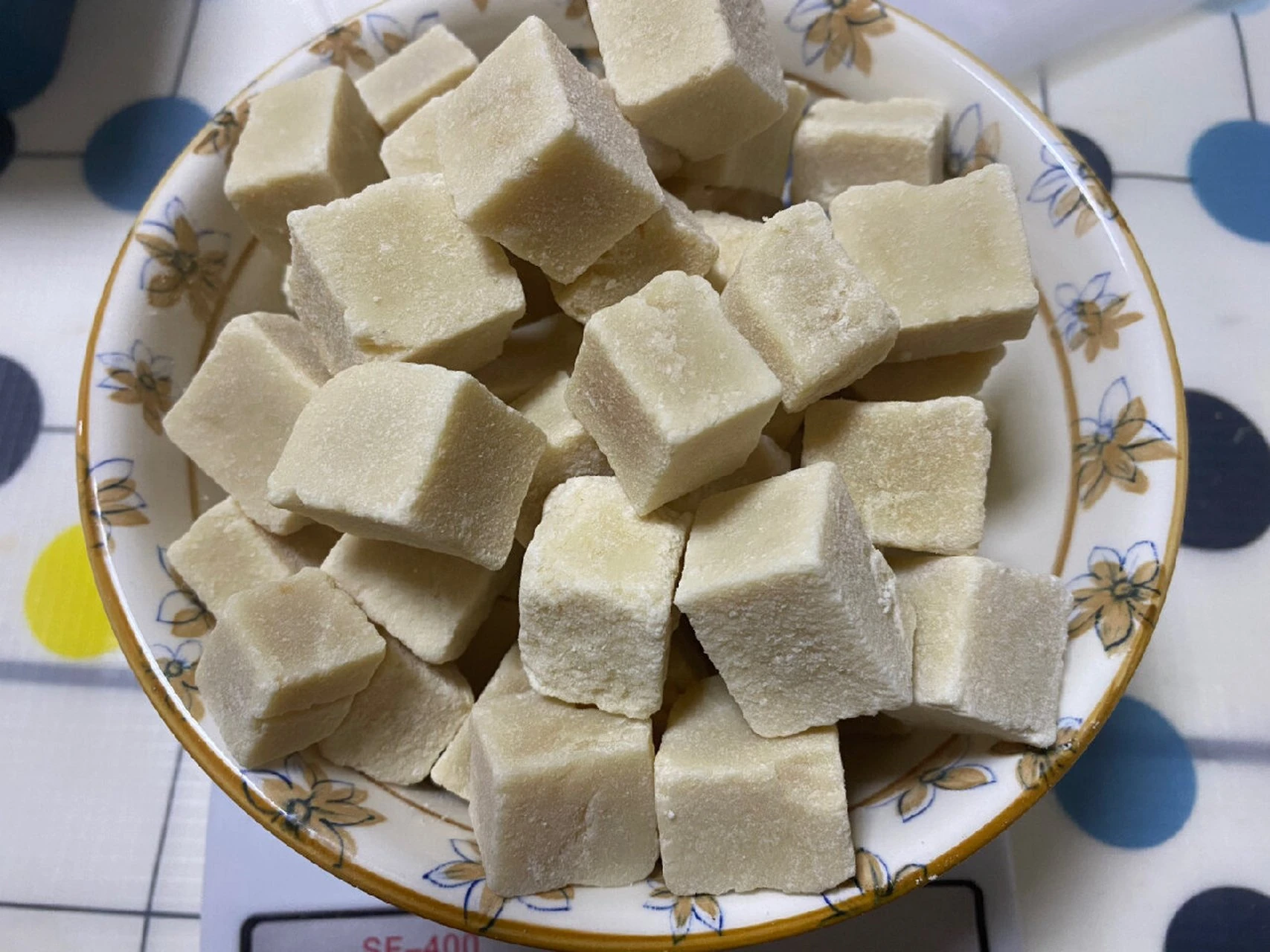
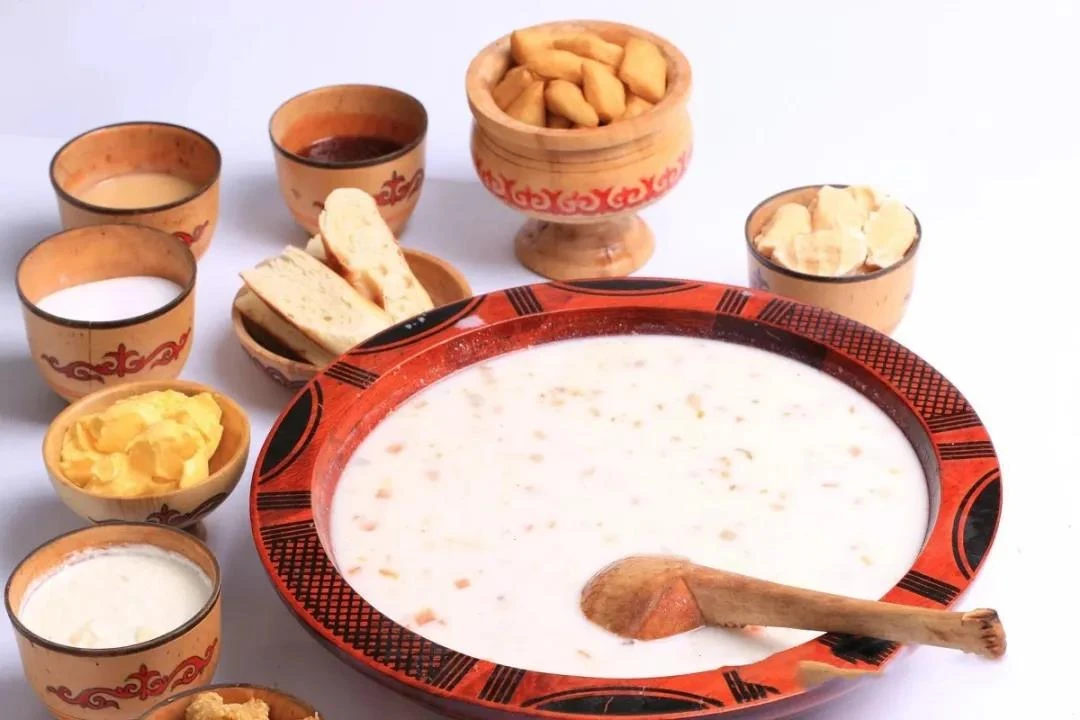
While staying in a Kazakh yurt on the Tianshan grasslands, try making traditional nomadic milk curds with local herders. This pure, additive-free craft is easy and fun for international guests. You start with fresh grass-fed cattle milk. You slowly simmer the milk over low heat to concentrate its rich flavor. After thickening, you let it cool and ferment naturally until it solidifies. Then you take out the solid milk mass, knead and press it repeatedly by hand to remove extra water and create a firm texture. Finally, you roll it into small round pieces and air-dry them naturally. No industrial processing is used, keeping the original grassland milk flavor. Foreign travelers can make authentic nomadic snacks by themselves. You will experience the real daily life of Kazakh herdsmen and understand their simple, nature-respecting living wisdom passed down for generations.
What's Included & Excluded
Included
- All entrance fees for listed attractions
- Accommodation for 11 nights (hotels + yurt stays)
- Daily breakfast + 18 lunches/dinners
- Private vehicle with experienced driver
- English-speaking local guide throughout
- Kanas Lake boat tour
- Karakul Lake yurt stay with meals
- Turpan grape village homestay experience
- All ground transportation between destinations
- Welcome dinner with traditional Uyghur music
Excluded
- Flights to/from Urumqi and internal flights (recommended for long distances)
- Personal travel insurance
- Visa fees for China
- Tips for guides and drivers (recommended $8-12/day)
- Alcoholic beverages
- Personal expenses and souvenirs
- Horse riding and optional activities
- Single room supplement ($350)
What to Bring
- Warm layers (temperatures vary dramatically - hot days, cold nights at altitude)
- Sun hat, sunglasses, and high SPF sunscreen
- Comfortable hiking shoes for mountain walks
- Lightweight, breathable clothing for desert areas
- Windproof jacket (strong winds common in mountain passes)
- Daypack for daily excursions
- Reusable water bottle (with filter recommended)
- Camera with extra batteries (scenery is extraordinary)
- Power adapter (Chinese 2-pin plugs, 220V)
- Personal medications and basic first-aid kit
- Moisturizer and lip balm (very dry climate)
- Scarf or face covering for dusty areas
Gallery
Accommodation
You''ll switch between comfortable city hotels and authentic pastoral yurt stays on this trip.
City hotels all carry modern facilities, with subtle local ethnic decorative touches mixed into room layouts.
Yurt lodging delivers genuine nomad living experience, thick felt walls, traditional wooden furniture inside.
All city hotel rooms come private with attached en-suite bathrooms. Yurt zones mostly rely on shared wash blocks—clean, well maintained though. Single room supplement fee available for solo travellers booking alone.
Hot running water accessible at every overnight stop. Western style sit down toilets standard in city hotels; a few remote mountain villages only have squat style toilets. Keep toilet paper and hand sanitizer packed in your day bag at all times.
Meals
Generous shared platters blending Uyghur, Kazakh and wider Central Asian halal cuisine. Signature food picks include laghman hand pulled noodles, kao yang rou roast lamb, nang flatbread, polu lamb carrot pilaf, plus fresh seasonal local fruits every meal.
Breakfast spread usually has nang, homemade yogurt, fruit jam and boiled eggs. Lunch and dinner serve multiple shared dishes, mix of tender meat, stir fried vegetables and flatbread sides.
Daily food budget rough estimate per person: ¥120 ($16.70) – ¥200 ($27.90). Sticking strictly to halal dining opens up most local restaurants, but remote mountain towns have narrower menu options to pick from. Pack energy bars for long highway stretches—some drives hit six to eight hours with limited roadside food stops.
Connectivity
Hotel Wi-Fi available, connection speed fluctuates widely depending on location. 4G cellular signal covers nearly all city zones, but cuts out frequently in isolated high mountain areas. Download offline navigation maps on your phone before you leave Urumqi.
Real Cultural Travel Notes
Xinjiang houses Uyghur, Kazakh, Hui, Kyrgyz, Mongol and Han residential communities side by side. When greeting elderly Uyghur locals say ‘Assalamu alaikum' first, wait for them to reply ‘Wa alaikum assalam' before offering a handshake—only use your right hand for this gesture.
Skip pork dishes entirely, don't drink alcohol openly or light cigarettes inside Muslim run restaurants and near mosque compounds; Urumqi and Kashgar hold Muslim majority populations, local customs deserve full respect.
Haggling comes expected and friendly at Kashgar Sunday Grand Bazaar, Asia's largest traditional central market. Start your opening offer at roughly 40 percent of the vendor's asking price, keep a light smile through the bargaining back and forth.
Never snap photos of women wearing headscarves unless you clearly ask and get verbal permission first.
Take off shoes before stepping inside Kazakh grassland yurts. If hosts hand you a bowl of koumiss fermented mare's milk, turn the offer down politely—most foreign visitors struggle with its sharp sour flavour.
Long distance bus station ticket counters require your original passport, keep the physical document on you constantly, photocopies won't work.
Altitude sickness risk kicks in above 3,200 metres (10,499 ft) along Tianshan high mountain passes. Carry Diamox tablets, or start drinking rhodiola herbal tea two full days before you hit high elevation zones.
Taking photos of military checkpoints or border zone infrastructure gets strictly banned, officials may confiscate your camera equipment if caught violating this rule.
Cultural Notes
Xinjiang hosts Uyghur, Kazakh, Hui, Kyrgyz, Mongol and Han communities living side by side. When greeting elderly Uyghur locals, start with 'Assalamu alaikum', wait for their reply 'Wa alaikum assalam' before offering a handshake—always use only your right hand for this gesture.
Skip all pork dishes entirely, do not drink alcohol openly or light cigarettes inside Muslim-run restaurants and near mosque compounds; Urumqi and Kashgar hold Muslim-majority populations, respecting local customs makes interactions far warmer with residents.
Haggling is expected and friendly at Kashgar Sunday Grand Bazaar, one of Asia’s largest traditional central markets. Open your bargaining offer at around 40 percent of the vendor’s asking price, keep a light smile through back-and-forth price talks with no aggressive tones needed.
Never take photos of women wearing headscarves unless you clearly ask and receive verbal permission first; many local women feel uncomfortable with uninvited shots.
Remove shoes before stepping inside Kazakh grassland yurts. If hosts hand you a bowl of koumiss fermented mare’s milk, politely turn the offer down—most foreign visitors cannot stand its sharp sour fermented flavour, and locals will not take offence.
Long-distance bus station ticket counters require your original physical passport; keep the document on you constantly, photocopies are never accepted, and multiple guests missed transport after leaving passports locked back at hotels.
Altitude sickness risk surfaces above 3,200 metres along Tianshan high mountain passes. Carry Diamox tablets, or start drinking rhodiola herbal tea two full days before entering high elevation zones to reduce lightheadedness.
Photographing military checkpoints or border zone infrastructure is strictly banned. Officials hold authority to confiscate your camera equipment if breaking this rule, warnings posted repeatedly across all mountain border roadways.
Local Food & Drink
Xinjiang local cuisine fits travellers who love meat and flatbread-focused meals perfectly.
Lamb skewers stand out as the top street food staple, each stick priced ¥5 (
$0.7). Head to Xingfu Lu Night Market in Urumqi for cumin-and-chilli seasoned skewers grilled fresh on-site; tons of foreign vloggers filmed full skewer feasts here.
Polu zhuafan lamb carrot pilaf ranks as a classic Uyghur staple, many authentic eateries encourage eating this dish bare-handed for full traditional flavour experience.
Laghman hand-pulled noodles simmer with braised lamb and tomato sauce; order 'suan la' hot sour flavour if bold tangy spice suits your taste.
Samsa clay-oven baked buns stuffed with lamb and onion taste best as breakfast at roadside Kashgar stalls, each bun runs ¥3–4 ($0.4–
$0.6).
Hundreds of regional nang flatbread varieties exist. Sesame and onion ring nang stays edible four to five days post-purchase, extremely handy for long drives with limited food access.
Dairy treat kurt dried sour milk curds hang from market stall racks everywhere. Its intensely tart flavour does not suit most overseas tourists—sample a tiny bite before buying full packs to avoid wasting money.
Local fruits grow incredibly sweet thanks to over 12 hours of daily summer sunlight, with very affordable pricing. Seedless Turpan grapes cost ¥8 ($1.1) per kilogram, half a Hami melon only ¥10 ($1.4). Dried apricots and raisins bought from night market stalls make lightweight, easy-to-carry travel souvenirs.
Connectivity
All accommodation venues provide Wi-Fi, yet connection speed fluctuates wildly based on location. 4G cellular signal covers nearly all downtown city zones, but cuts out constantly in isolated high mountain areas. Download offline navigation maps on your phone before departing Urumqi—never rely on cell service mid-mountain transfer drive. Multiple travellers recounted briefly getting lost without pre-downloaded offline maps.
Budget Reference
Disclaimer: Prices above are estimates only for informational purposes. Hidden China does not directly sell or book travel packages. Final pricing depends on travel season, exact itinerary length, room category, private vs shared transport, and operator availability. We recommend contacting at least 2–3 local licensed operators to compare tailored quotes before booking.