Route Overview
A 5-day journey to Jiuzhaigou Valley and Huanglong Scenic Area—China's most spectacular natural wonderland. Traverse boardwalks past turquoise lakes, cascading waterfalls, and snow-capped peaks in this UNESCO World Heritage Site.
Why Choose This Route
- Jiuzhaigou Valley (UNESCO World Heritage Site)
- Five-Color Pond & Long Lake
- Nuorilang Waterfall (320m (1,050 ft) wide)
- Pearl Shoal Waterfall
- Huanglong Terraced Pools & Golden Sand Beach
- Tibetan village homestay experience
- Songpan Ancient Town & Songke Monastery
Detailed Description
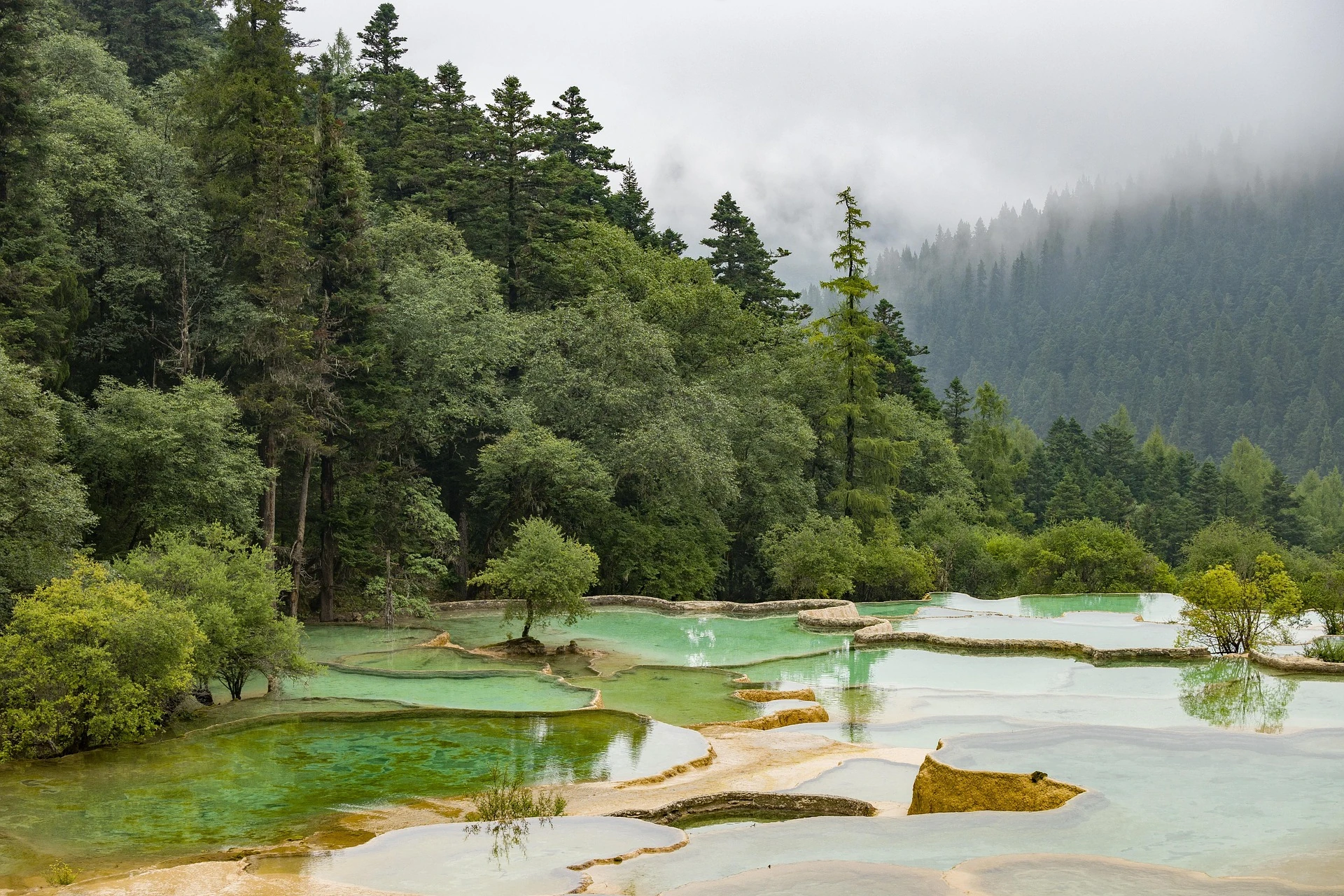
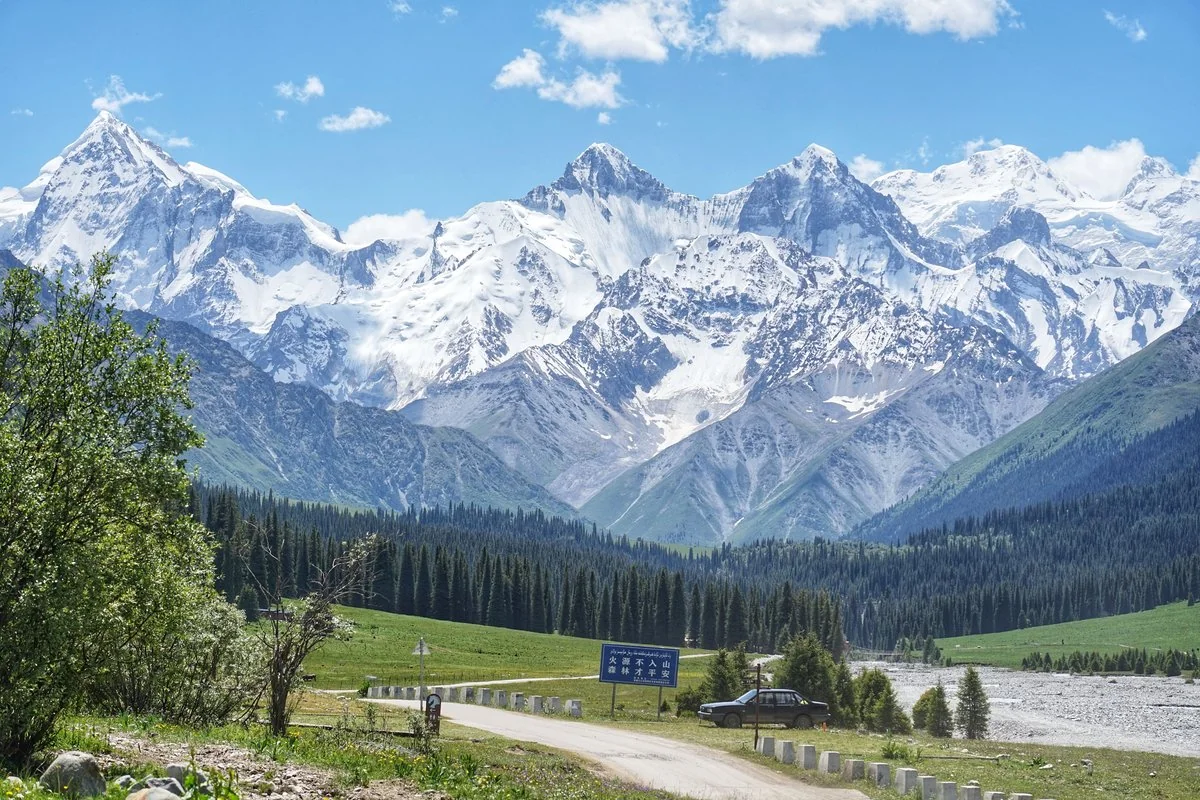
Don’t just take word-of-mouth recommendations—this northern Sichuan UNESCO World Heritage spot fully earns its 'fairyland' nickname, every foreign travel creator who visited swears by its surreal beauty. Over a hundred lakes scatter across the valley, waters shifting nonstop between turquoise and emerald shades. Tiered waterfalls cascade down mountain slopes, snow-sharp peaks tower straight above thick forest gullies.
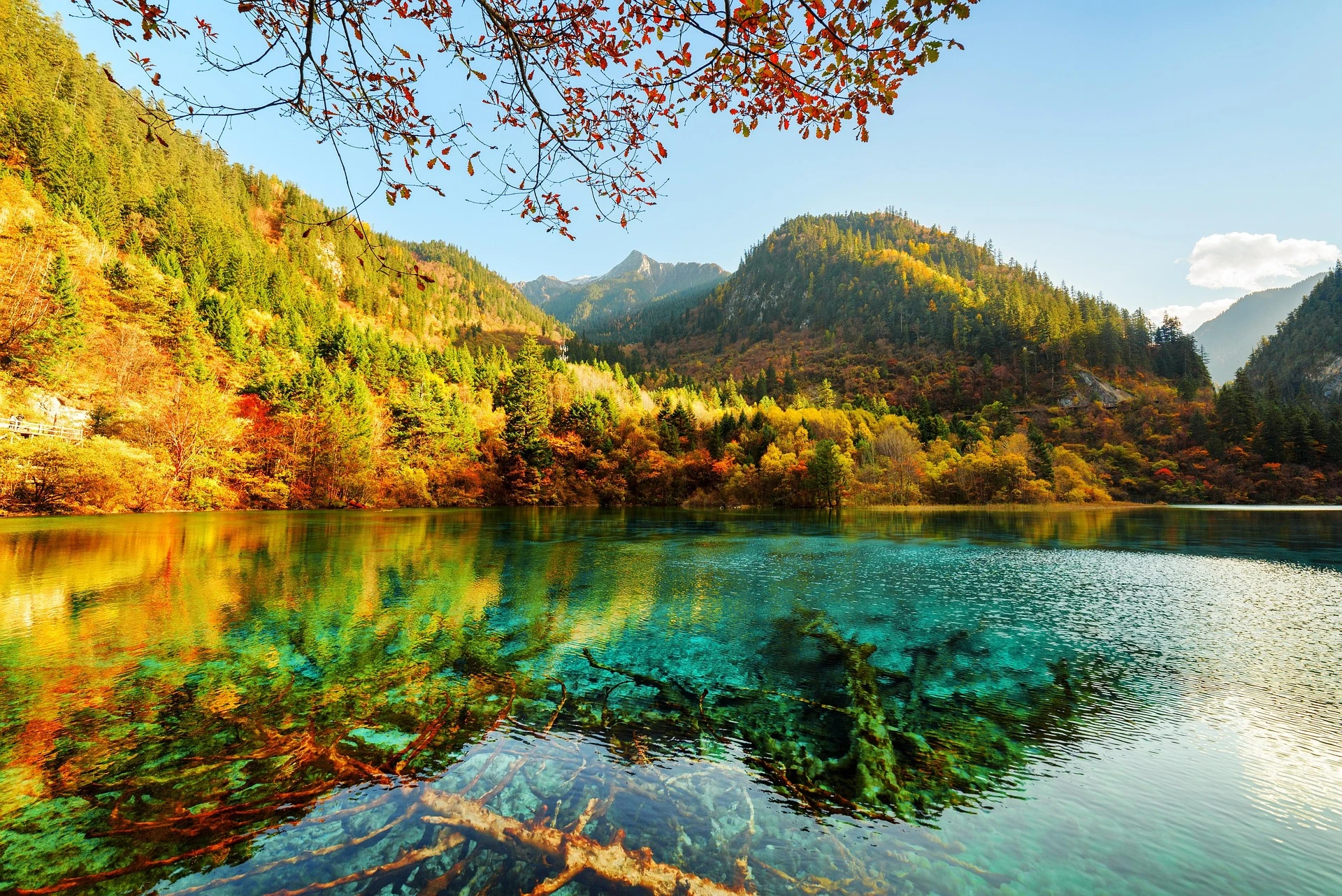
All those unreal vivid water hues come from mineral sediment, lake algae and underwater plants bouncing sunlight differently every single hour. Lakes shift tones with time of day and seasonal changes: deep sapphire, bright emerald, neon turquoise that looks artificially dyed. Water crystal clarity lets you spot every stone and weed on lake beds even 20 metres down.
This 5-day tour drops you straight into otherworldly valley scenery. Wide stable wooden boardwalks wind through primeval woods filled with maple, larch and spruce trees. Autumn turns the whole forest blazing gold and deep crimson, fiery colours mirrored perfectly across calm lake surfaces. Winter flips the entire landscape entirely: waterfalls freeze into transparent ice sculptures, thick snow blankets the valley, and complete quiet settles everywhere. Many winter visitors said empty snow-covered trails feel far more peaceful than crowded autumn peak travel season.
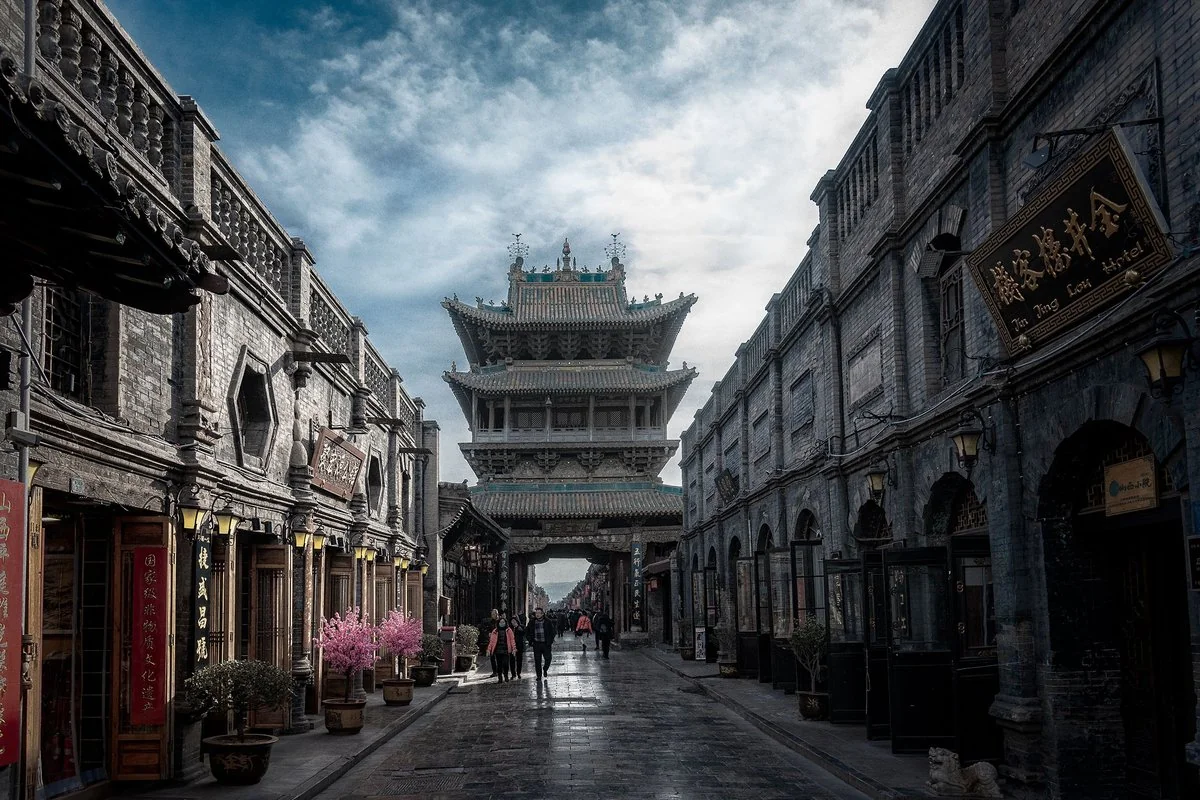
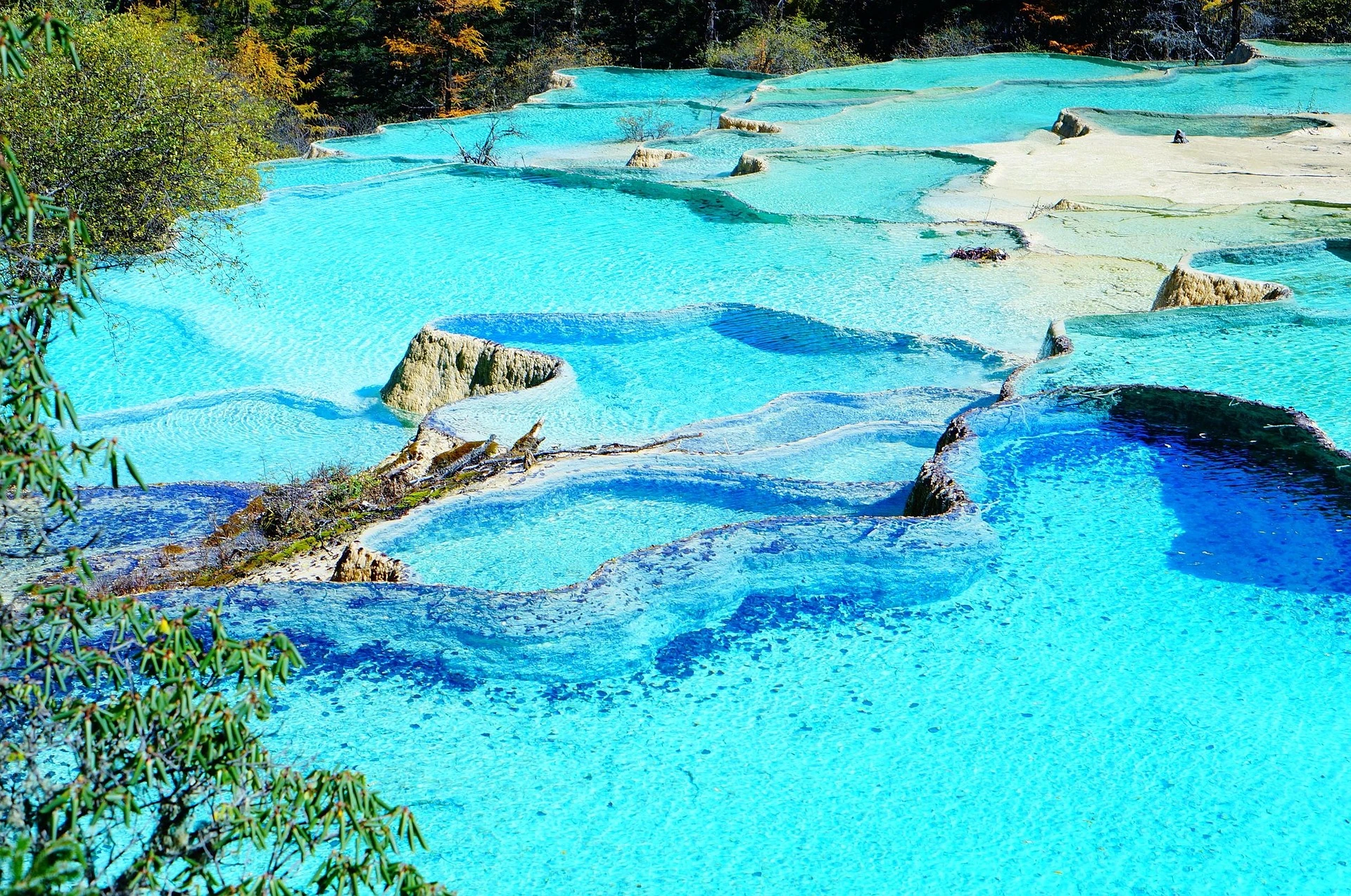
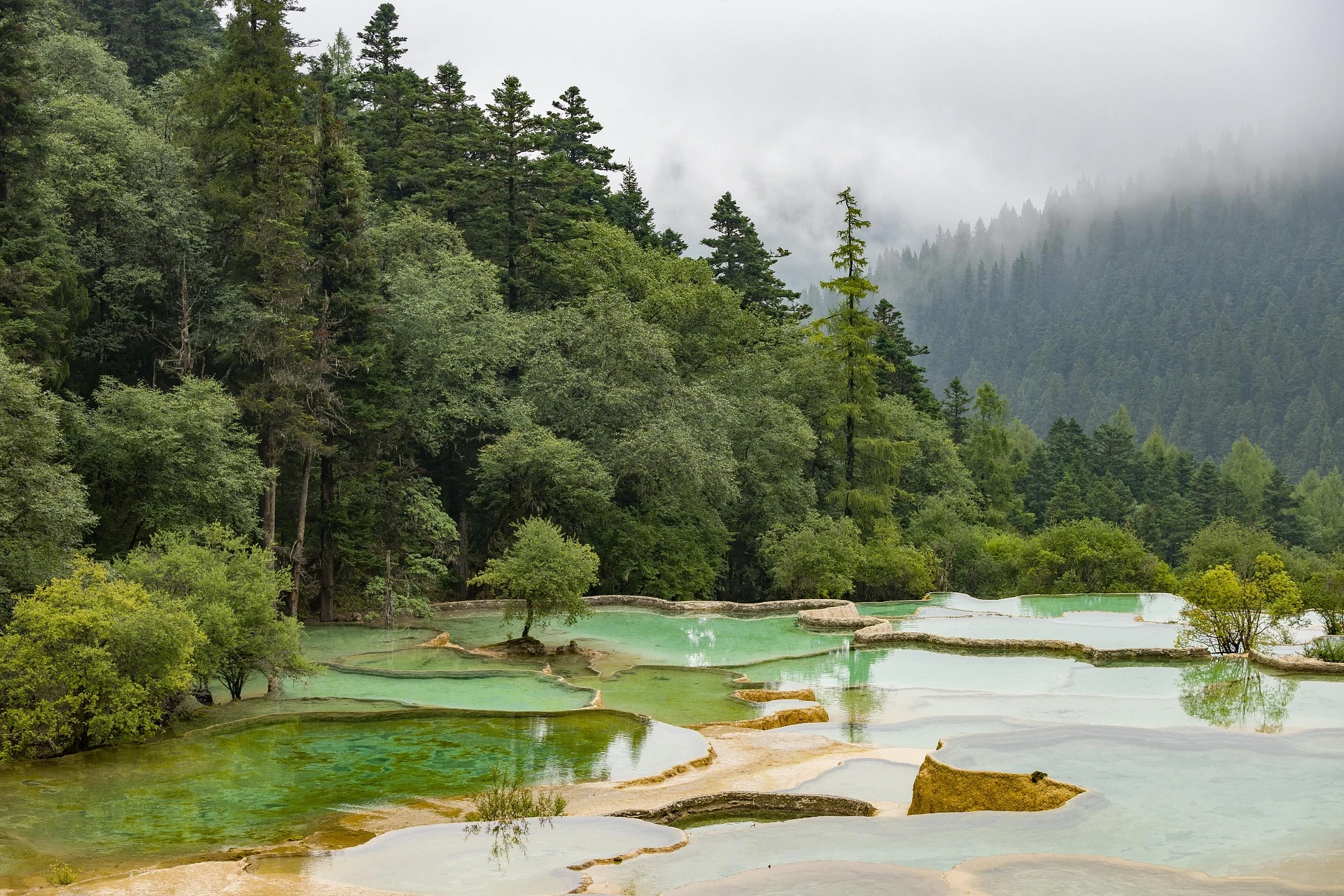
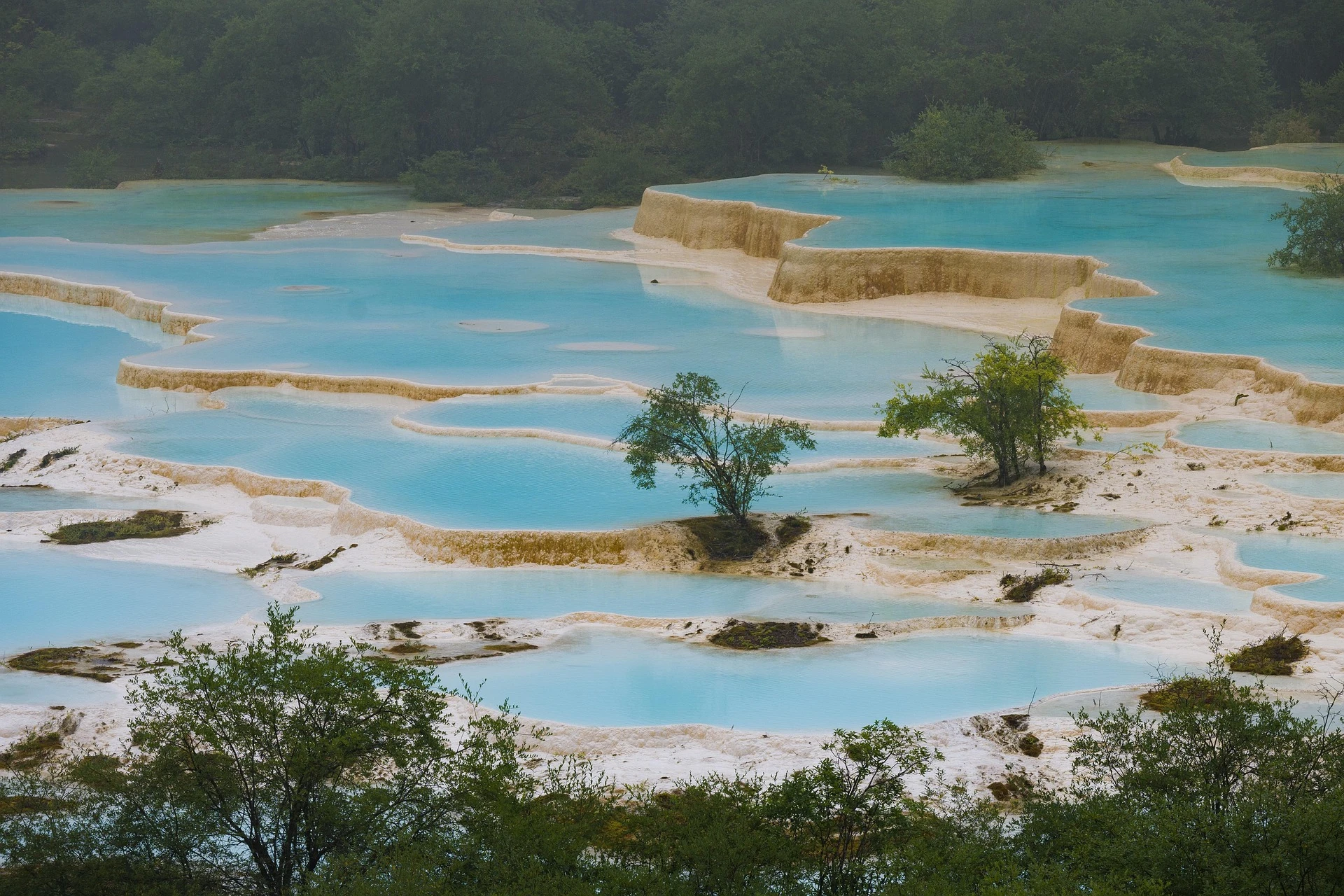
We do not limit sightseeing only to Jiuzhaigou Valley. Next stop is Huanglong Scenic Area, famous for layered limestone pools glowing golden yellow, winding downhill just like a massive resting yellow dragon. Afterwards we swing by Songpan Ancient Town, an old Tibetan trade hub with intact city walls and tiny local Tibetan monasteries tucked within its alleyways.
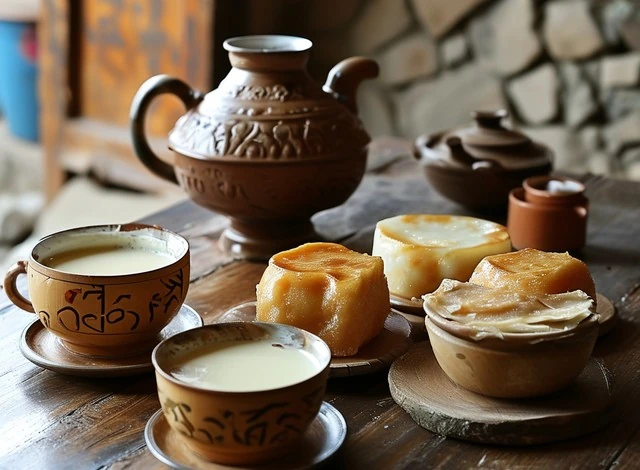
One overnight stay takes place at a village Tibetan homestay for totally unscripted genuine cultural immersion. Sip salty butter tea, taste rich yak butter paste, chat with local families to learn daily life routines on the edge of the Tibetan Plateau. Small fair warning: nearly every first-time foreign guest finds the tea’s salty creamy taste strange on first sip.
Destinations
Detailed Itinerary
Day 1: Chengdu → Jiuzhaigou (Flight / Self-Drive)
Two morning travel choices available for guests: catch a one-hour flight departing Chengdu, or drive winding mountain roads through Sichuan for eight hours total. Only pick the driving route if you’re obsessed with roadside mountain views—multiple overseas vloggers said constant sharp turns left them severely carsick halfway through the journey.
Check into local accommodation by afternoon, take it slow to adjust altitude; the whole scenic zone sits roughly 2,000 metres high, skip intense heavy hiking on your arrival day.
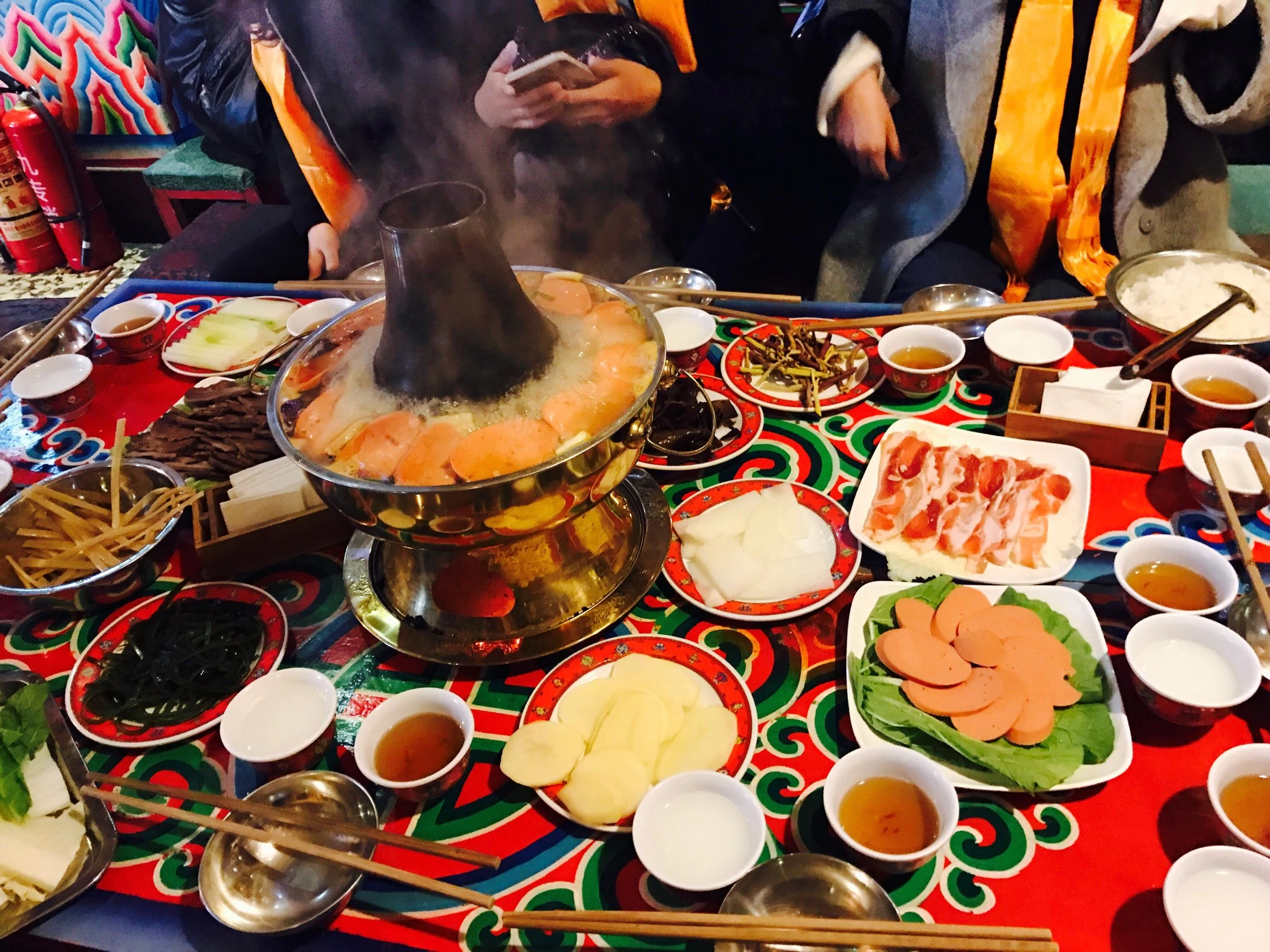
Evening welcome meal serves Sichuan hot pot loaded with wild local mushrooms, simmered in intensely aromatic peppercorn broth.
All breakfast, lunch and dinner covered Days 1–4; Day 5 only includes breakfast and lunch.
For the first three nights of this trip, most guests opt for a convenient clean hotel positioned steps from Jiuzhaigou’s main scenic entrance, fully fitted with private en-suite bathrooms, heating and steady free Wi-Fi. One alternative lodging choice exists: a Tibetan village guesthouse inside park boundaries with shared wash facilities, thoroughly cleaned daily, also equipped with heating essential for cool autumn and winter valley nights. All hotel rooms use Western sit-down toilets; village homestays and public rest areas only provide squat facilities, so pack personal toilet paper as venues almost never stock this for visitors.
All arranged meals across the tour blend classic numbing-spicy Sichuan cooking with rich Tibetan flavours, daily food budget per person runs ¥90 ($12) to ¥180 ($25). Vegetarian dishes are widely available at local eateries, wild mushroom soups taste incredible July–September though self-foraging wild fungi is strictly forbidden, over two hundred toxic varieties grow within the reserve. Vacuum-packed yak jerky and highland barley biscuits make handy hiking snacks, sold at formal branded shops to avoid counterfeit mixed beef products. Mountain summit restaurants at Huanglong mark up food prices heavily, pack pre-made sandwiches if travelling on a tight budget.
Day 2: Jiuzhaigou Valley – Rize Valley & Nuorilang Falls
Spend the full day inside Jiuzhaigou National Park.
Hop park shuttle buses up to Rize Valley’s highest viewpoint early morning, then walk downhill past untouched primeval forest, Swan Lake, Grass Lake, Arrow Bamboo Lake, Panda Lake, finishing at Five-Color Lake. Every lake you pass appears more stunning than the last.
Afternoon head toward Nuorilang Waterfall, 320 metres wide, China’s widest travertine waterfall. Do not skip nearby Pearl Shoal Waterfall—sunlight glints across running water like scattered tiny pearls.
Head back to accommodation for rest by evening; nonstop walking leaves legs aching, a complaint nearly every foreign visitor brings up by Day 2.
Meals covered: Breakfast, Lunch, Dinner
We remain at the Jiuzhaigou entrance hotel selected on Day 1.
Day 3: Jiuzhaigou – Shuzheng Valley & Heye Tibetan Village
Morning wander Shuzheng Valley, a long connected chain of lakes and small waterfalls strung along walking trails. Stop by Reed Lake, Tiger Lake, Rhinoceros Lake and clustered Shuzheng Lakes.
Afternoon enter Heye Tibetan Village within park borders. Wander local households, sip butter tea, watch elderly residents craft traditional handmade goods.
Evening optional activity: Tibetan bonfire party with folk dance performances. Several guests noted shows lean tourist-focused, perfect for quick cultural photos yet lacking deep authentic local storytelling.
Meals covered: Breakfast, Lunch, Dinner
Lodging unchanged, same Jiuzhaigou entrance hotel as prior two days.
Drive 2.5 hours north to Huanglong Scenic Area bright and early. Walk layered limestone terrace pools, golden pond tiers sliding down mountainsides shaped like a resting yellow dragon. Must-see spots include Multi-Colored Pond atop the mountain, Golden Sand Beach and Huanglong Temple.
Once Huanglong sightseeing wraps, keep driving toward Songpan Ancient Town. Roam old city walls and Tibetan residential quarters after dark, street food stalls stay open late selling cheap local snacks.
Tonight we switch accommodation to a downtown hotel inside Songpan Ancient Town, matching standard clean hotel amenities with private bathrooms and heating.
Meals covered: Breakfast, Lunch, Dinner
Day 5: Songpan → Chengdu
A local monk leads our monastery tour first thing, visiting Songke Monastery. Learn basic facts about Tibetan Buddhism, wander prayer halls lined with faded ancient murals. Stroll Songpan’s ancient city wall; this location once served as a vital rest stop along the historic Tea Horse Road trade route.
In the afternoon, drive or fly back to Chengdu, marking the full end of our tour. No overnight accommodation arranged once we return to Chengdu this afternoon.
Meals covered: Breakfast, Lunch
Immersive Experience
After enjoying Jiuzhaigou’s fairy-tale lakes and waterfalls, experience authentic Tibetan daily life by making tsampa barley dough with local villagers. It is super easy and requires no skills. You start with finely roasted barley flour in a traditional wooden bowl. You slowly pour warm butter tea into the flour. Then you mix, knead, and press the dough with your hands repeatedly. You keep folding and squeezing until the powder fully combines with tea and forms a smooth, firm dough. Finally, you shape it into small balls and finish your homemade tsampa. This is the exact daily food-making routine of local Tibetans for thousands of years. International travelers can learn the most genuine plateau life skill. You will move beyond simple sightseeing and truly feel the simple, pure lifestyle of highland people and their down-to-earth local culture.
What's Included & Excluded
Included
- Jiuzhaigou National Park entrance pass
- Huanglong Scenic Area entrance ticket
- Shuttle bus access within Jiuzhaigou
- Huanglong cable car (optional, save energy)
- 4 nights accommodation (hotels + guesthouse)
- Daily breakfast + 6 lunches/dinners
- Private transportation throughout
- English-speaking guide
- Tibetan village homestay experience
- Welcome dinner with Tibetan hot pot
- Songke Monastery visit with monk guide
Excluded
- Flights/trains to/from Chengdu
- Personal travel insurance
- Tips for guide and driver (recommended $5-8/day)
- Optional activities (horse riding, Tibetan costume photos)
- Alcoholic beverages
- Personal souvenirs and shopping
- Single room supplement ($200)
What to Bring
- Warm layers (temperatures 5-20°C (41–68°F), much colder at night and in winter)
- Comfortable walking shoes for boardwalk trails
- Rain jacket or poncho (weather can change quickly)
- Daypack for daily excursions
- Water bottle (water is safe to drink from taps)
- Camera with extra batteries (scenery is stunning)
- Sunglasses and sunscreen (UV is strong at altitude)
- Basic first-aid kit and any personal medications
- Motion sickness pills if you get car sick (mountain roads are winding)
- Moisturizer and lip balm (dry air)
- Hat and gloves for autumn/winter visits
Gallery
Accommodation
Jiuzhaigou and Songpan mostly have comfortable, clean hotels with handy spots close to main scenic entrances. One overnight stay option is a Tibetan village guesthouse within the park.
All hotel rooms come private with attached en-suite bathrooms. Village Tibetan guesthouses run shared bathroom facilities, kept clean though. Heating fitted in every room – non-negotiable for autumn and winter visits, nights drop sharp fast.
Every site supplies hot running showers. Hotels install western sit-down toilets; some small guesthouses and public restrooms only have squat toilets. Pack your own toilet paper, venues rarely supply it.
Cultural Notes
Jiuzhaigou Valley counts as a combined Tibetan and Qiang ethnic reserve. Over a thousand families still live in traditional wooden stilt villages: Shuzheng, Heye, Zechawa.
When passing mani stone piles or hanging prayer flags, always circle clockwise only. Local Tibetan customs state counter-clockwise walking brings terrible bad luck, follow this simple rule purely out of cultural respect.
Never touch or step over prayer flags, thin cloth strips printed with sacred mantras meant to carry prayers skyward. Do not pick up mani stones, shell fragments or wooden prayer markers to take home—locals believe removing these sacred items triggers devastating mountain disasters.
A 2017 Yunnan-Tibet earthquake damaged partial sections of Zechawa Valley. Most wooden boardwalks received full reconstruction, yet stick strictly to clearly marked open trails. Avoid climbing rock barriers sealing off closed damaged paths; loose stones slide easily and cause falls.
Rize Valley offers yak and horse riding experiences. Confirm full pricing completely before mounting animals, fees charged per 30-minute block, some guides add unstated surcharges afterwards. If travelling with children, double-check a guide will accompany your riding session ahead of time.
Peak autumn foliage window runs October 15–25, valley grounds flood with tourists annually. Book park entry seven days in advance via Jiuzhaigou official WeChat Mini Program if visiting during this window—walk-up tickets are nearly impossible to secure on-site. Multiple visitors wasted half a day queuing for entry after skipping pre-booking.
Local Food & Drink
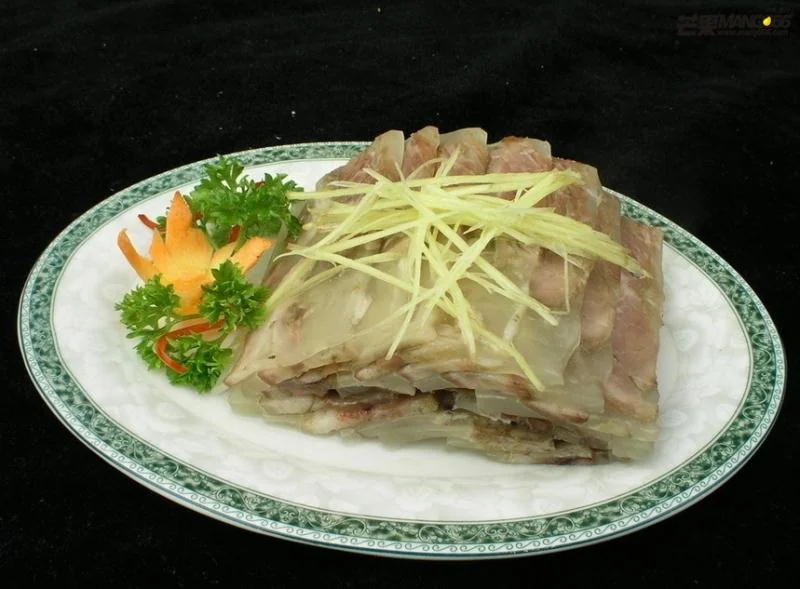
Songpan hand-pulled noodles: thick wheat noodles simmered in spicy beef bone broth with pickled mustard greens. Local family restaurants near bus stations charge ¥25–35 ($3.0–$5.0) per bowl, filling cheap lunch choice nearly every overseas backpacker eats daily.
Tibetan butter tea: salty brew churned with yak butter and roasted barley flour, packed with high calories to withstand freezing highland mornings. The salty flavour fails to suit every foreign palate; most eateries sell sweet milk tea pitchers as an alternative for ¥15 (
$2.0).
Tsampa: roasted barley flour mixed manually inside wooden bowls. Village homestay hosts happily demonstrate the rolling wrist technique, a fun hands-on cultural activity great for travel photos.
Yak hotpot, an unmissable stop at Chuanzhusi town between Jiuzhaigou and Huanglong. Lean yak meat, wild seasonal mushrooms and local vegetables simmered in numbing spicy mala broth, roughly ¥130–180 ($18.0–
$25.0) per person with beer included in most set meals.
Street snack picks: vacuum-packed yak jerky priced ¥80 ($11.0) for 500 grams, buy from formal branded shops with clear ingredient labels—random roadside stalls cut costs by mixing cheaper beef inside jerky packs. Highland barley baked biscuits sold at monastery stalls make lightweight easy snacks for all-day hiking.
Budget Reference
Disclaimer: Prices above are estimates only for informational purposes. Hidden China does not directly sell or book travel packages. Final pricing depends on travel season, exact itinerary length, room category, private vs shared transport, and operator availability. We recommend contacting at least 2–3 local licensed operators to compare tailored quotes before booking.