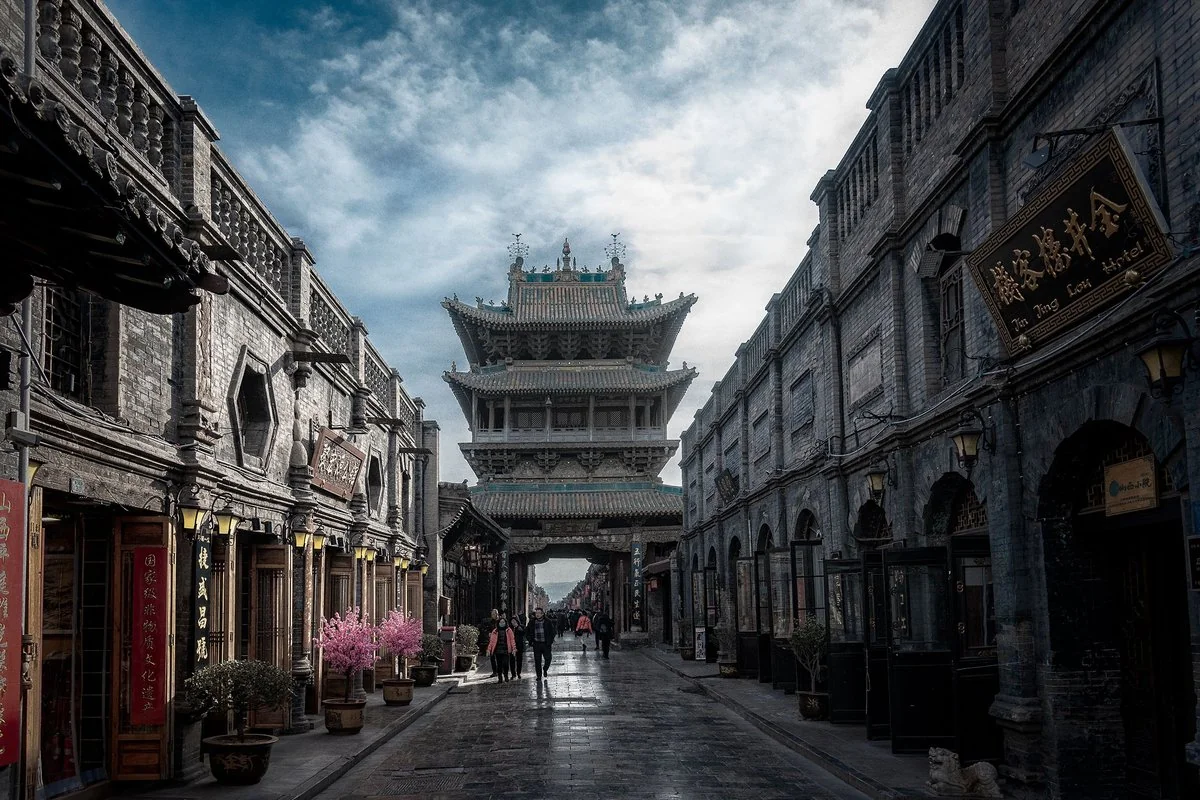
Route Overview
A 6-day deep dive into Miao and Dong ethnic cultures of southeastern Guizhou. Visit 8 authentic villages, participate in traditional crafts, and experience living heritage.
Why Choose This Route
- Xijiang Thousand-Household Miao Village
- Shiqiao Ancient Papermaking Village
- Biasha Gunman Tribe
- Zhaoxing Dong Village Grand Song
- Tangan Rice Terraces
- Langde Traditional Dance
- Matang Gejia Batik Art
- Jianhe Wood Drum Festival
Detailed Description
Qiandongnan sits between 400 and 900 meters above sea level. Autumn’s such a lovely time here—soft mild breezes hang around all day long. But come July? Sweltering humidity and blazing sun make it a terrible pick if you’re chasing cool summer escapes. Even with that flaw, we keep curating multi-day trips here, and there’s one unbeatable draw: nowhere else across South China will you find such dense, living ethnic minority culture packed into one region. I’ve chatted with tons of overseas travel creators, and every single one said this place’s unscripted local traditions beat any staged folk performance they’ve caught elsewhere.
You can hike straight from a Miao hamlet to a Dong village within one afternoon, shockingly with steady cell service the whole walk—something I always warn foreign guests is super rare in China’s mountain backcountry. Generations-old crafts and customs haven’t faded a bit: mulberry bark handmade paper, layered unaccompanied folk polyphony, plus the iconic shotgun clan rituals are still practiced daily by their descendants. It’s this genuine, uncommercialized living heritage that pulls us back to Qiandongnan year after year; no two visits ever feel identical.
Pre-Trip Briefing
Xijiang, the Thousand-Household Miao Village, never quiets down. As the world’s largest Miao settlement and the whole prefecture’s tourism heart, don’t expect empty streets at any point during daytime tours. A UK vlogger I followed posted a rant online about midday walkways being crammed shoulder-to-shoulder with tour groups, and she wasn’t exaggerating one bit.
That said, booking an overnight stay unlocks a totally peaceful side day-trippers completely miss. Wake up before 9 a.m., walk past the busy main shopping strip, and you’ll spot mist wrapping mountain valleys, elderly grandmas rinsing fresh greens at public stone taps, and thin wispy smoke drifting from dozens of wooden stilt-house chimneys. We map all afternoon sightseeing around peak tourist crowds, so those calm early morning hours alone make splurging on accommodation fully worth it.
Destinations
Detailed Itinerary
Day 1: Guiyang → Xijiang
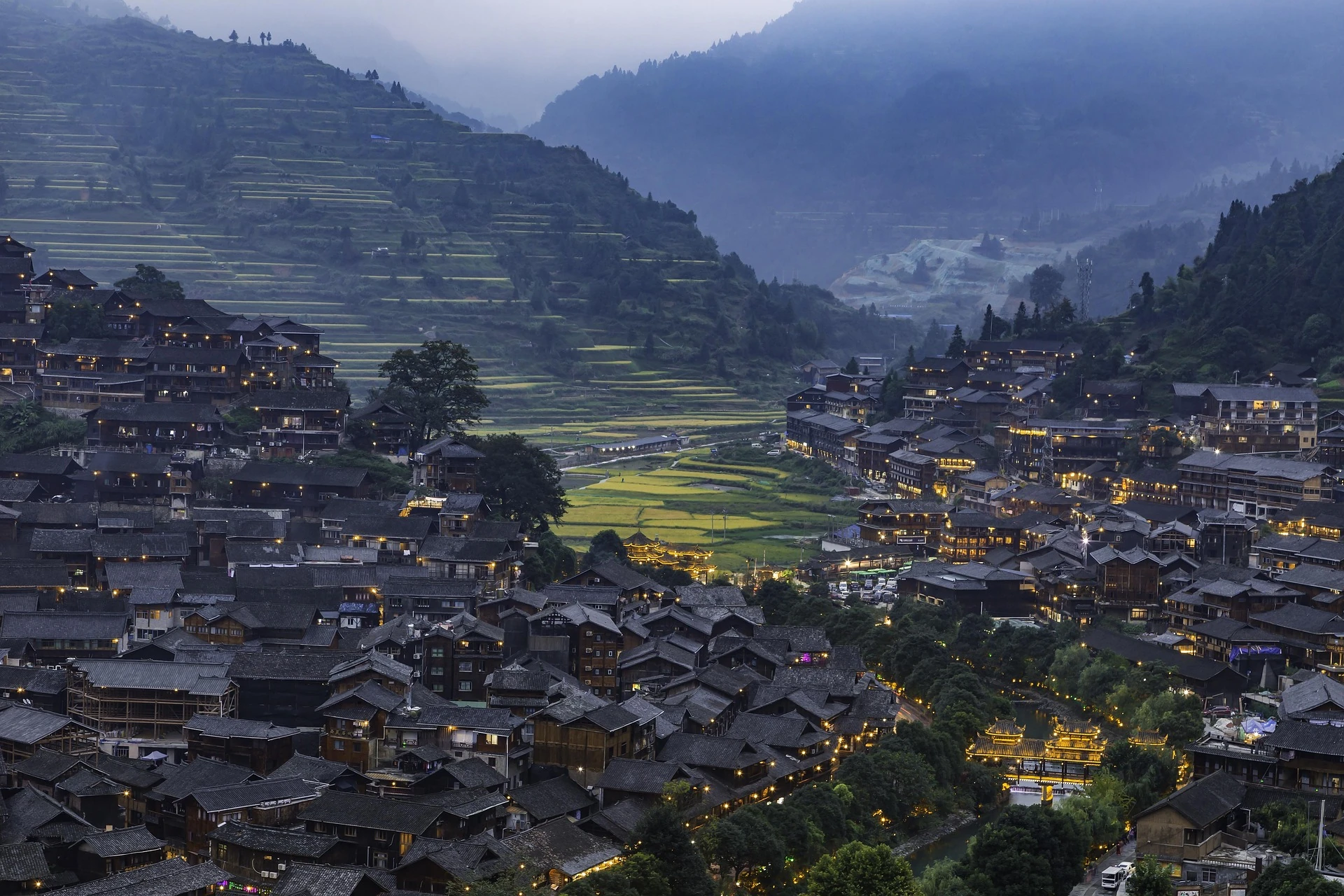
Drive two hours east out of Guiyang to Kaili, then push another forty minutes deeper into the mountains. The road winds up Leishan mountain ridge, and suddenly the whole valley unfolds before you: an entire mountainside layered with dark wooden riverfront rooftops, home to roughly 1,400 Miao households—the planet’s biggest Miao village.
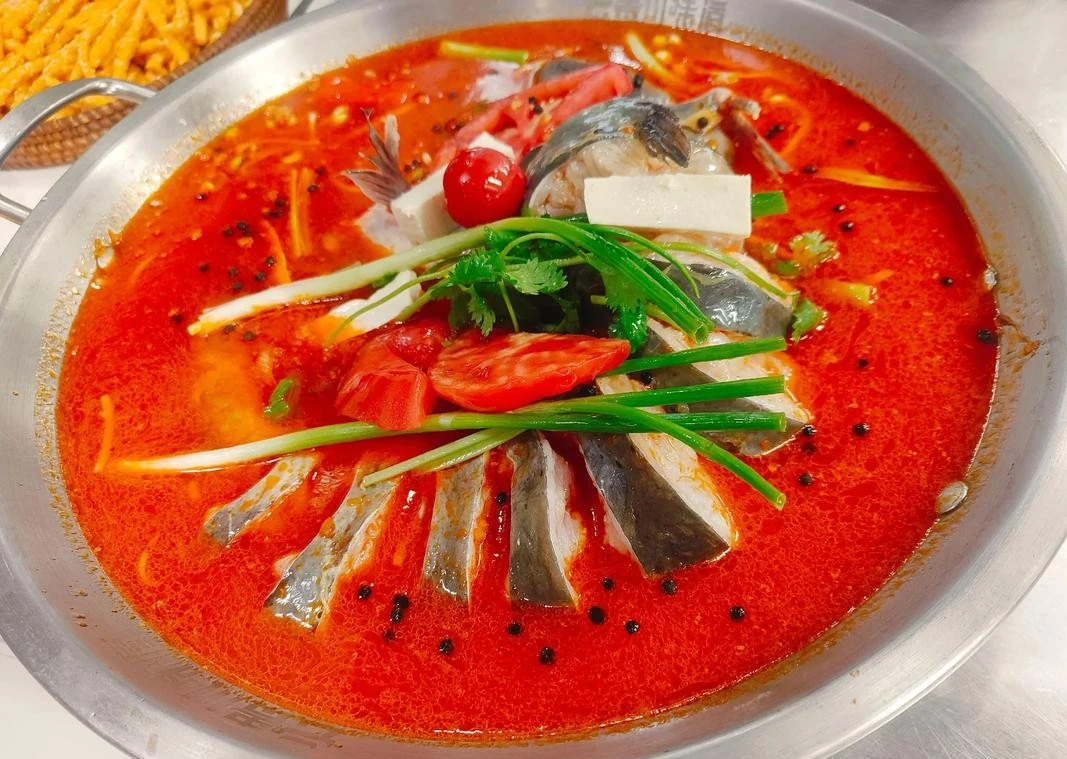
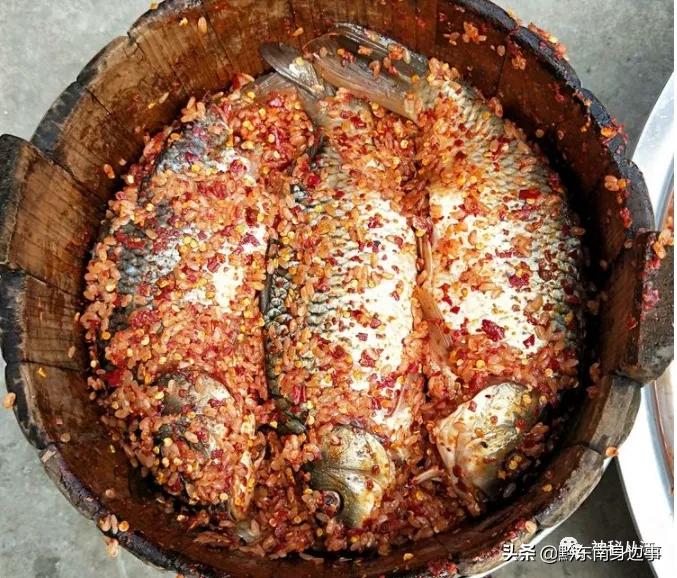
We’ll check you into a hillside terrace guesthouse perched high above the loud commercial strip. The host’s family’s lived here four generations, and their homemade suan tang yu crushes every tourist restaurant’s version—we share a home-cooked dinner around their wooden family table. Spend late afternoon at the viewing platform; tiered wooden roofs stretch endlessly far below. At dusk, paper lanterns flicker on layer by layer, not all at once like cheap commercial scenic spots.
Right as you enter the village, you’ll join the Gate-Blocking Wine welcome ritual: locals hand out twelve tiny cups of home-brewed rice wine to every guest. It’s polite to take a tiny sip from each glass, yet hosts never pressure anyone to drain full servings. One Canadian traveler told me she barely drinks alcohol and only sipped half a cup total, and villagers laughed it off warmly. A small museum near the overlook tells the Miao’s centuries-long migration story from the lower Yangtze River basin; skip the attached souvenir wing entirely, the main hall’s authentic historical exhibits are far more worthwhile, the gift shop only sells overpriced generic trinkets.
Your room’s a classic wooden stilt house—timber floors creak with every step, a quirky little charm most foreign visitors grow fond of fast, and hot showers run reliably all day, no random cold water shocks mid-wash.
Day 2: Xijiang → Langde Upper Village → Shiqiao
Hit the terraces for an early hike before busloads of tourists flood the trails. Rice paddies glow vivid emerald green in June, shift to rich golden yellow by late September, and sit bare with dry stubble through winter. An Australian landscape photographer I crossed paths with ranked the golden harvest terraces here in his top three China photo spots ever.
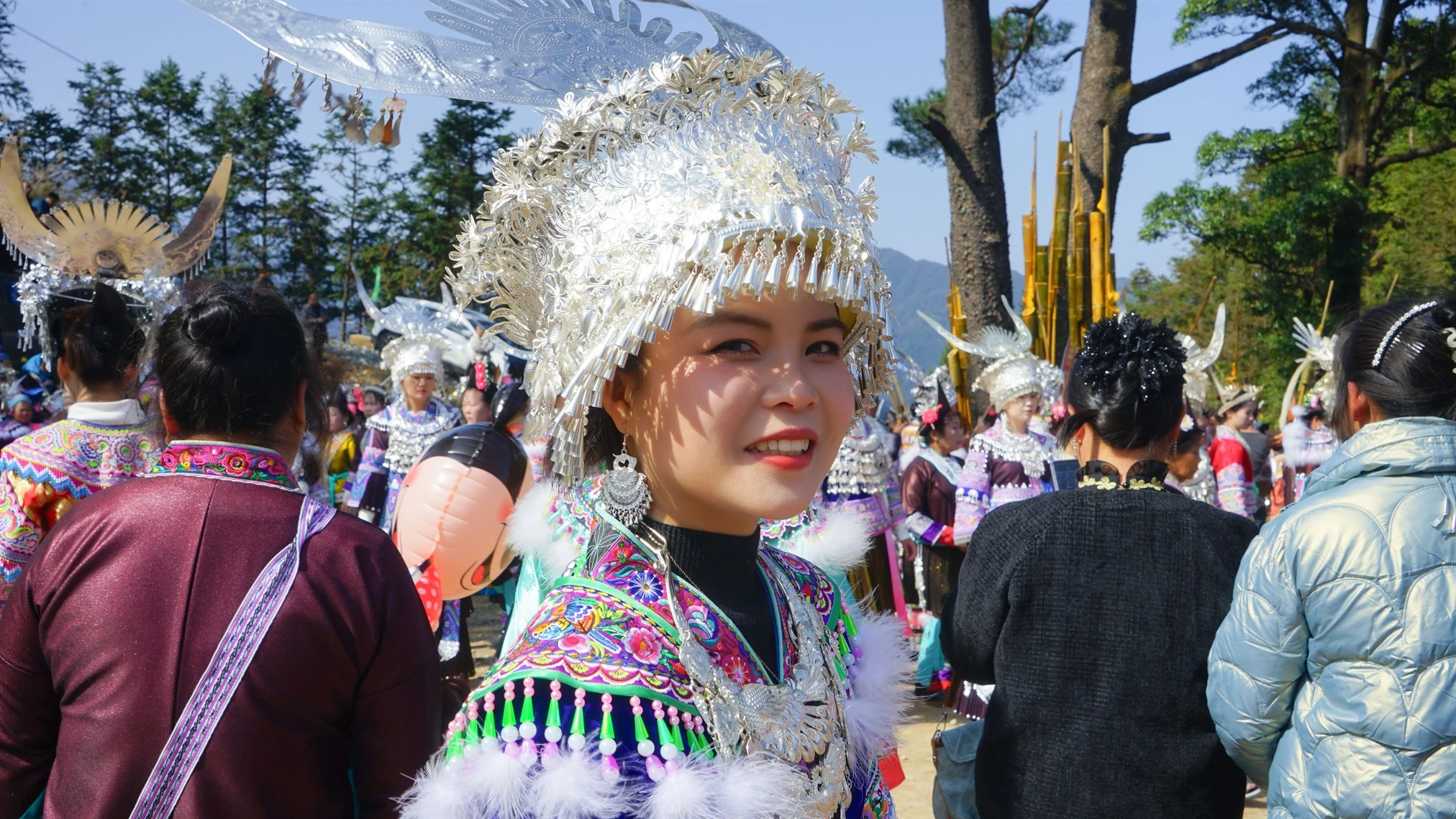
Langde Upper Village’s worlds quieter than bustling Xijiang, with just around a hundred households and the best-preserved original ethnic architecture cluster nearby. This tiny hamlet’s famous for master Miao silversmiths. A full ceremonial silver set worn for weddings and major festivals—complete with towering headdress, thick neck torques, carved chest plaques—can weigh up to 15kg (33.1lbs).
A veteran silversmith works out of the upper village lane; he walks visitors through hand-drawing ultra-thin silver wire and soldering intricate traditional patterns step by step. He sells handmade silver pieces too, zero pushy sales lines or constant upselling—such a relief after aggressive vendors in bigger scenic zones, per feedback from dozens of overseas guests.
After lunch, drive over to Shiqiao Village, where locals’ve kept the ancient mulberry bark papermaking craft unchanged for nearly 2,000 years. The full process is labor-heavy: soak raw mulberry bark, boil soft, pound into fine pulp, scoop pulp onto bamboo screens, air-dry each sheet against cave rock walls. You get to craft your own handmade paper sheet as a hands-on activity—it looks absurdly simple watching artisans work, yet every first-timer ends up with lopsided, overly thick paper. Don’t stress though; local craftspeople save every messy beginner sheet as a one-of-a-kind souvenir for you to take home.
Spend the night in Shiqiao, dinner’s simple village tofu paired with wild bamboo shoots picked fresh from hills behind local homes—earthy unique flavors you’ll never find in city eateries.
Day 3: Shiqiao → Biasha → Congjiang
This leg sticks with nearly every traveler long after their trip wraps up; easily the most unforgettable stretch of the whole route.
Biasha’s China’s only village where local men can legally carry shotguns as part of officially recognized ancestral tradition. Firearms aren’t used for hunting anymore, but they carry massive ceremonial weight, marking every key milestone in a Biasha man’s life. Even more striking than the guns is the clan’s traditional coming-of-age ritual: teenage boys get their heads fully shaved with an agricultural sickle, leaving just one single long topknot on top. This tuft stands for a tree trunk—Biasha folklore believes every person’s soul resides inside a tree after death, so clansmen get buried beneath trees instead of underground graves.
You’ll watch a staged Hair Dance performance built for tourists, yet every single detail stays fully authentic: the sickle hair trims are genuine, shotguns remain fully functional, and elderly villagers sitting in back rows often murmur about how these customs were daily routine, not tourist entertainment. Carve out ten quiet minutes to soak in this rare living culture before driving onward—many overseas bloggers wrote this moment reshaped their whole view of China’s ethnic diversity.
We travel downstream to Congjiang for overnight lodging. Dinner serves river fish caught that same afternoon paired with wild mountain greens; the bright fresh flavor’s totally one-of-a-kind, nothing like farmed seafood back in Europe or North America.
Day 4: Congjiang → Zhaoxing
Zhaoxing’s the largest Dong village, home to roughly a thousand households lined along a winding river, with five distinct drum towers standing right at its core. Each tower belongs to a separate Dong clan, built with unique architectural shapes tailored to that lineage’s history. A Dong drum tower acts as the beating heart of clan life: disputes get mediated here, festival announcements shared aloud, elders gather each afternoon to play chess and chat. If you truly want to grasp everyday Dong rural life, block off an hour just sitting quietly inside a drum tower watching villagers pass through—don’t only snap rushed photos from the doorway.
Zhaoxing earned UNESCO recognition thanks to the Dong Grand Song, an unaccompanied multi-part folk singing style passed down orally for hundreds of generations, zero conductors or musical instruments guiding singers. A full formal Grand Song performance stacks up to twenty overlapping vocal harmonies that echo through the whole mountain valley. Instead of booking polished large-scale theatrical shows, we arrange an intimate private evening recital with a local village choir. It’s a casual porch-side performance matching exactly how Dong locals sing during family gatherings, no over-theatrical costumes or scripted lines.
Overnight at a Dong family homestay, make sure to sample Dong herbal hot pot—a bitter, aromatic local specialty with zero similarity to spicy Sichuan hot pot, a pleasant shock for most foreign food lovers.
Day 5: Zhaoxing → Tangan → Matang
Head out bright and early on foot to Tangan: a 90-minute uphill trek winding through rice terraces, no paved road runs all the way to the village. Perched high above Zhaoxing, Tangan’s a smaller, far calmer Dong hamlet, and its surrounding tiered rice fields draw landscape photographers from every corner of the globe. Paddies glow soft misty green in June, shift to dry golden hues during September harvest, and lie covered in leftover rice stubble come October.
Quick tip: Pack fully waterproof hiking boots without fail—trails turn slick and muddy within minutes after rainfall, multiple foreign hikers complained soaked socks ruined their whole morning hike last travel season. Walk the mountain ridge alongside local farmers, most from the Pan clan who tend upper terraces. They’ll happily point out which plots grow rice just for family meals and which get cultivated to sell at regional markets. Our tours prioritize slow, immersive walking alongside villagers instead of distant rushed snapshot photography—locals notice and genuinely appreciate this difference, per feedback from many homestay hosts to our guides.
Push onward to Matang in the afternoon. The Gejia people fall under the Miao ethnic group per national administrative classification, yet they view themselves as a fully separate community, with their own distinct spoken language and embroidered traditional clothing. Their signature craft’s indigo batik: artisans draw symbolic ancestral patterns onto plain white cloth using melted beeswax, then submerge fabric in deep indigo dye. Wax-covered areas block pigment entirely, leaving bright white symbolic motifs against rich navy blue backgrounds. Every single pattern holds an old story or ancestral record, which elderly Gejia women can interpret just like written text.
Visitors get to paint simple batik designs as a hands-on workshop activity—fair warning, indigo dye stains fingertips dark blue for up to two full days, skip light-colored clothes if you join in.
Spend the night in Matang; suan tang yu’s back on the dinner menu here, yet the Gejia version packs a far sharper, spicier kick from extra wild mountain chilies, with way less tomato than the Miao-style variant from Xijiang.
Day 6: Matang → Jianhe → Guiyang
If your trip timing lines up perfectly, we’ll make an early morning stop in Jianhe first thing. The Wood Drum Festival follows a lunar seasonal calendar tied to rice harvest rituals and ancestor worship, so exact festival dates shift every single year—don’t bank on catching it without advance planning. If the festival’s not running during your stay, we’ll tour a local drum-making workshop instead. These massive wooden drums serve as the Miao community’s spiritual medium to call ancestral spirits during harvest ceremonies; their steady deep beats act almost like a conversation with departed family members.
Drive back toward Guiyang in the afternoon, a roughly three-hour journey. Once you arrive, you can depart via the city airport or central train station to continue follow-up travel plans.
Immersive Experience
Slow down in Guizhou’s Miao villages and dive into authentic Miao batik art. The whole process is beginner-friendly and easy to follow. You start with a plain cotton cloth. Local craftsmen heat natural beeswax until it melts into clear liquid. You hold a traditional wax tool and freely draw simple mountains, flowers, birds, or classic Miao totems—no professional painting skills required. After finishing your design, you dip the cloth into pure indigo dye. You soak and air-dry it repeatedly until the fabric turns rich dark blue. Finally, you boil the cloth in warm water to remove the wax. All your hand-drawn patterns appear as clean white lines on blue fabric. For foreign visitors, this natural, template-free creation is incredibly relaxing. You will experience the ancient wisdom of using natural materials in ethnic life and take home a one-of-a-kind handmade batik artwork.
What's Included & Excluded
Included
- All village entrance fees
- Local homestay accommodations (5 nights)
- Home-cooked meals (all breakfasts, 8 lunches/dinners)
- Traditional craft workshops (papermaking, batik)
- Local ethnic guides (English-speaking)
- Private transportation between villages
- Welcome ceremony with Twelve Cups wine
- Dong Grand Song performance
Excluded
- Flights to/from Guiyang
- Personal travel insurance
- Tips for guides and hosts (recommended $5-10/day)
- Alcoholic beverages
- Personal purchases (crafts, souvenirs)
- Snacks and drinks between meals
What to Bring
- Comfortable walking shoes (hiking boots recommended)
- Light rain jacket (mountain weather unpredictable)
- Camera with extra batteries
- Small backpack for day trips
- Respectful clothing (no shorts/sleeveless in villages)
- Sleeping bag liner for comfort
- Personal toiletries (towel, soap, wet wipes)
- Earplugs (village nights can be lively)
- Small gifts for host families (chocolates, pens for children)
- Hand sanitizer
- Motion sickness medication (for winding mountain roads)
Gallery
Accommodation
Most stays across this route are traditional wooden stilt-house homestays where you’ll live alongside local ethnic minority families. These multi-story timber buildings offer private guest rooms as the default pick, or budget shared spaces with the host household if you’re cutting costs.
Bathroom setup: Solar or electric hot showers work consistently everywhere. Remote mountain hamlets have shared bathing facilities, 1 or 2 per household or each floor, no bathtubs anywhere, only standing showers. Quick tip: Bring your own towels and toiletries; homestay disposable supplies tend to be thin low-quality ones most overseas guests dislike.
Toilets: Modern flush toilets are standard in larger villages, super remote hamlets only have squat-style facilities. Stash wet wipes and spare toilet paper in your daypack as backup—some homestays run out fast during peak travel weeks.
Bedding: Solid wooden bed frames fitted with thick cotton quilts and firm traditional Chinese pillows; grab a lightweight sleeping bag liner if you prefer softer linens for extra comfort. Mosquito nets get provided for all summer bookings—mosquitoes around rice terraces are relentless after dusk, dozens of travelers learned this the hard way.
Daily living basics: Electricity runs 24 hours nonstop. Wi-Fi’s accessible in every village, yet signal grows spotty and slow deep in mountain valleys—don’t plan on streaming videos in remote hamlets. Jump to FAQ - Village Life for full homestay etiquette rules and connectivity hacks.
All meals arranged through host families for the whole trip unless noted separately, three home-cooked servings daily using fresh local farmed and foraged ingredients. Breakfast options cover rice noodles, savory oil tea, sticky rice cakes; lunch and dinner staples include suan tang yu, smoked pork, rotating seasonal mountain vegetables. Check FAQ - Food for full dietary notes and allergy restrictions.
Cultural Notes
The Dong and Miao communities in Qiandongnan carry over 1,000 years of rice-farming heritage woven into every piece of daily life. Never step foot on bronze drums placed in village public squares—these are sacred ritual artifacts, locals find this gesture deeply disrespectful.
When villagers wearing elaborate silver headdresses offer you road-block rice wine, take at least a tiny sip to show respect. Turning the drink down flat without explanation can accidentally offend hosts; one German tourist shared she politely explained she couldn’t drink and offered a small local fruit snack in exchange, which everyone accepted happily.
Local Food & Drink
Must-try local dishes:
Suan tang yu: Guizhou’s iconic signature dish, river fish slow-simmered in fermented tomato and spicy red pepper broth.
Changwang noodles: Spicy noodles loaded with pork intestine and congealed pork blood, the go-to breakfast across the whole prefecture.
Street-side bamboo-wrapped glutinous rice cakes: Light portable hiking snacks perfect for long terrace treks.
Xiasi dog hot pot’s a divisive local specialty—visitors either fall in love with its rich savory broth or skip it entirely, zero pressure to order.
Kaili’s night market sells grilled bone skewers starting at just ¥3 ($0.4) apiece, cheap satisfying late-night bites after evening village performances.
Budget Reference
Disclaimer: Prices above are estimates only for informational purposes. Hidden China does not directly sell or book travel packages. Final pricing depends on travel season, exact itinerary length, room category, private vs shared transport, and operator availability. We recommend contacting at least 2–3 local licensed operators to compare tailored quotes before booking.