Tiger Leaping Gorge
One of the world's deepest river gorges with legendary hiking trails.
View DetailsLiping County, Guizhou Province
Zhaoxing holds one of China's biggest clustered Dong villages, best known for five standalone drum towers built to stand for the five original Dong clans. Every tower's a mind-blowing timber masterpiece—zero nails at all, just interlocked wooden joints holding the whole structure tight, weathering wind and storms for hundreds of years straight. I chatted with a Canadian travel creator wandering the lanes here, and he swore these hand-carved wooden landmarks feel way more genuine than those overpolished heritage wooden sites all over Southeast Asia; there's not a single cheap mass-produced replica anywhere in sight.
The Dong Grand Song even landed UNESCO Intangible Cultural Heritage status, a layered oral folk singing style passed down through dozens of family generations. The choirs don't use any musical instruments whatsoever—their tangled, soft harmonies drift all across the valley once night rolls in. A French backpacker sat alone on a nearby hillside listening once, and she told me she got full-body chills the whole time; it hit harder emotionally than any fancy opera performance she'd caught back home in Paris.
You can meander across old covered wind-and-rain bridges, dig into classic Dong sour fish and thick creamy oil tea, test your hand at indigo batik dyeing by the riverside, or take a slow uphill stroll to nearby Tangan Terraced Village. Hardly any tourists trek that far up, so you'll get quiet, unspoiled mountain views all to yourself.
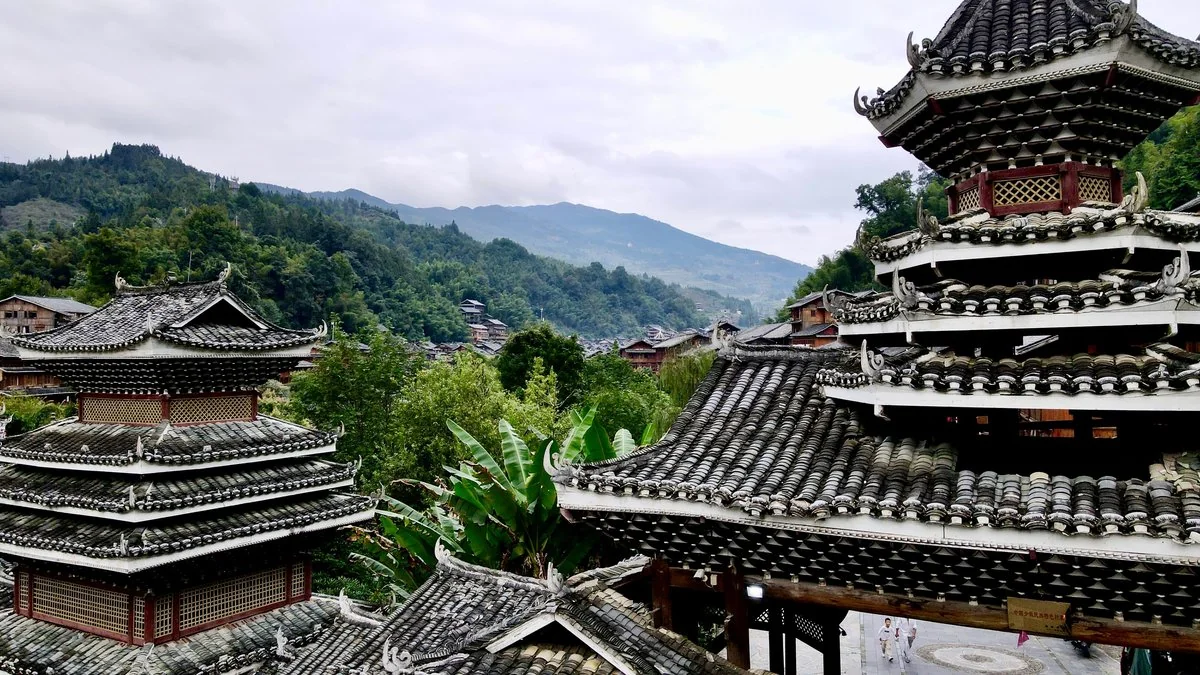
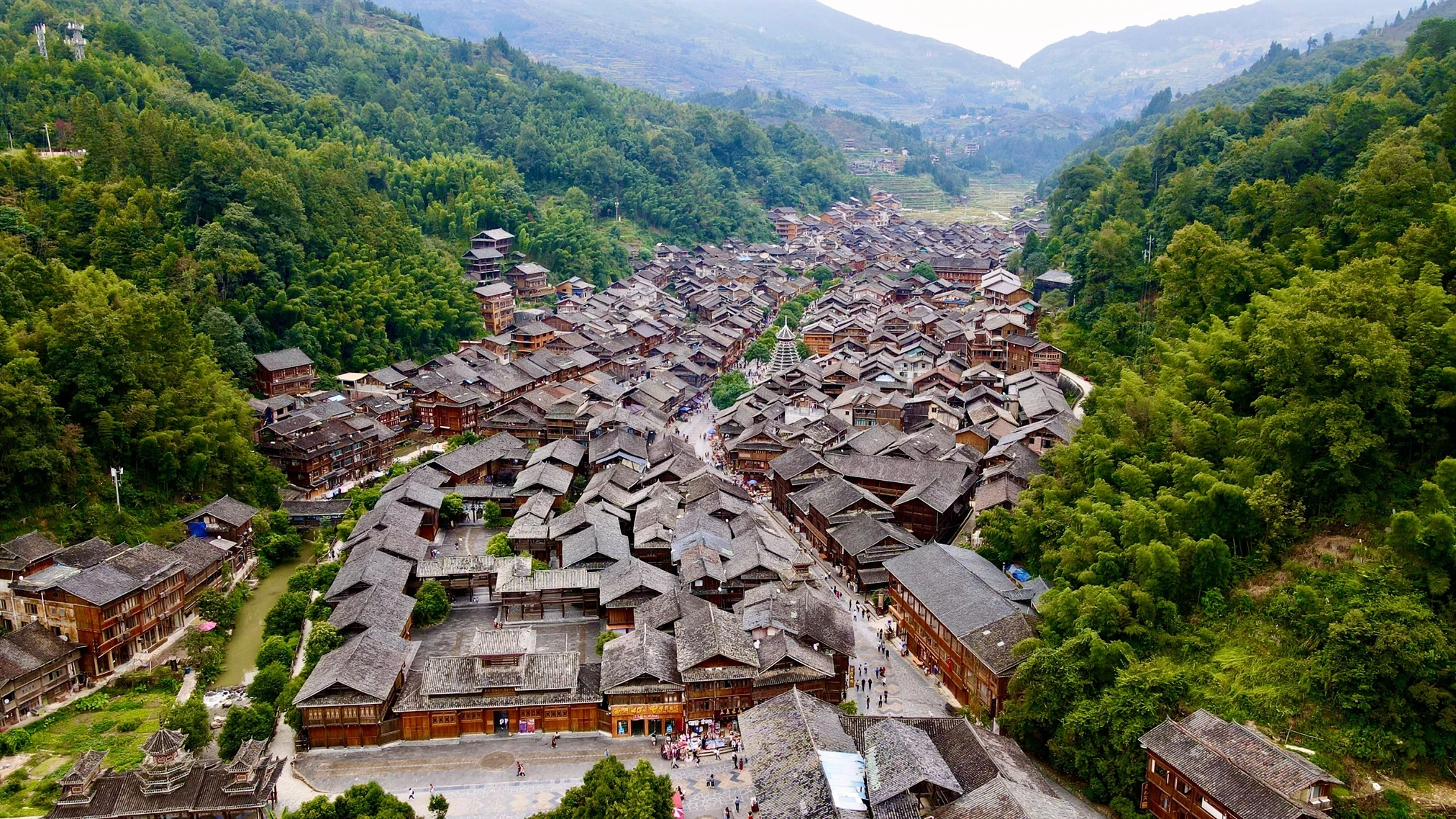
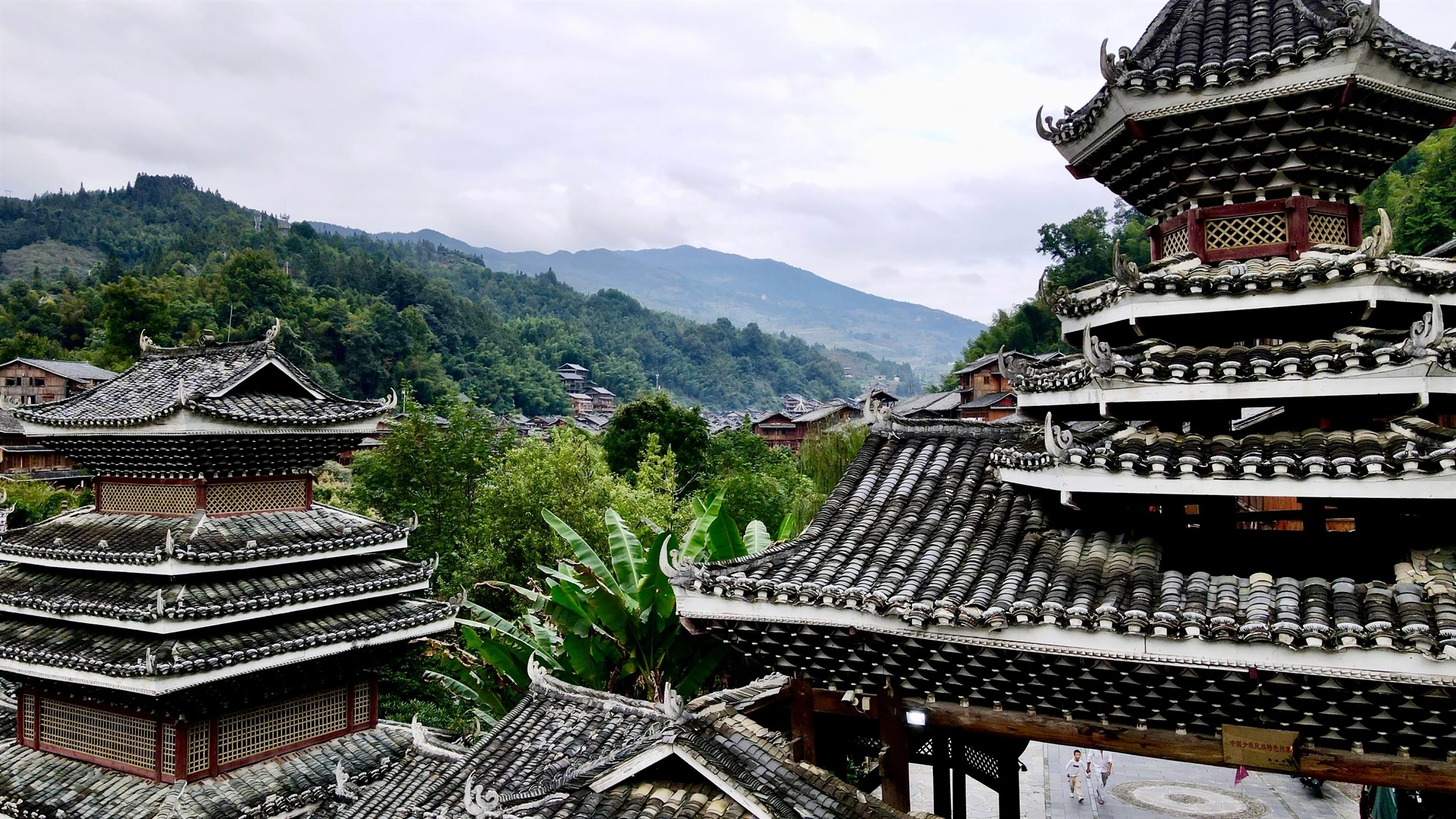
Zhaoxing counts among China's largest Dong settlements, split into five founding clans: Ren, Yi, Li, Zhi, Xin. Each clan owns its own drum tower, which acts as the main spot for clan gatherings, traditional rituals, and casual daily chats among elders. A huge critical heads-up: never walk into a drum tower mid-wedding or funeral. Red paper couplets mark wedding celebrations, while long white cloth streamers hanging outside signal funerals. Tons of foreign tourists wandered in unknowingly during sacred ceremonies before, and local elders found that deeply disrespectful.
Evening Dong Grand Song shows run at the village cultural square, showcasing that unaccompanied multi-part folk singing. Photography's allowed, but you've got to turn your camera flash fully off. The ¥50 ($7) entry fee covers the entire performance from start to finish. Don't step up onto the stage platform either—venue staff will politely but firmly guide you back to the visitor seating area if you try.
Wind-and-rain bridges carry massive sacred weight for Dong locals, so skip a few bad habits: don't drape laundry over railings, light cigarettes on the wooden planks, or leave snack trash scattered all over the floors. Villagers believe protective bridge spirits watch over every person crossing the river. One Spanish tourist watched a group of travelers dump leftover food waste on a bridge once, and an elderly Dong woman pulled them aside for a quiet, sharp talking-to right away.
Dong silversmiths work out of small lanes in the upper village, hand-hammering bracelets and hair ornaments for visitors to buy. Always double-check for the 99.9 “pure silver s999” stamp before handing over cash, and haggle nicely—aim to knock the asking price down to 60–75% of the original tag. Lots of overseas visitors skip bargaining entirely and end up massively overpaying for basic silver souvenirs; one US vlogger told me he spent triple the fair price on a simple bracelet his first afternoon here.
Local Dong women dye indigo cloth along the riverbanks, and they almost never let random strangers snap close-up candid shots without permission. Flash them a warm smile and ask before lifting your camera; if they agree to pose for photos, slipping them a tiny ¥5 ($1) tip's a kind, expected gesture. A US travel creator once snuck unapproved close-up shots without asking, and the woman packing dye tools immediately gathered all her supplies and left the riverbank entirely to avoid him.
Homestay ground rules to avoid awkward tension: Kick your shoes off right at the front doorway before stepping into any living room space. If you don't drink alcohol, politely turn down the welcome bowl of sweet glutinous rice wine they hand you. Taking one tiny sip and thanking them sincerely's the standard respectful move. An Australian backpacker once flat-out refused the wine without a single word of thanks, and their homestay host stayed cold and distant for every single day of their whole trip there.
Dong cooking leans hard into tangy sour flavors, wild mountain medicinal herbs, and foraged forest ingredients you'd never spot on city restaurant menus back home.
Sour fish hotpot (suān tāng yú): Guizhou's iconic regional staple, simmered fresh river carp in slow-fermented wild tomato and chili broth. Every riverside guesthouse serves this dish, priced ¥78–120 ($11–$17) for two people to share. Most overseas travelers admit the sharp fermented broth tastes strange for the first one or two bites, but it grows addictive fast once you get used to it.
Ciba glutinous rice cakes (cí bā): Pounded fresh at dawn inside giant wooden mortars daily. Roll them in soybean powder and white sugar, eat piping hot off street stalls for ¥5 ($1) per cake. A UK travel blogger relied on these cheap, filling rice cakes as their daily breakfast the whole trip through Zhaoxing.
Congjiang roast suckling pig: Tiny 4kg black piglets slow-roasted over charcoal fires. You have to place your order 24 full hours ahead at village cooperative restaurants—one whole pig costs ¥280 ($39), enough food for groups of four to six. Multiple international tour groups forgot to pre-book during peak tourist weeks and left the village without trying this signature dish at all.
Rice tube chicken: Young chicken and wild mountain mushrooms steamed inside fresh green bamboo tubes; the bamboo aroma soaks straight into every piece of meat. Each bamboo tube runs ¥38 ($5), perfect as a shared side dish for small travel parties.
Youcha oil tea: Dong locals treat this as their go-to breakfast staple. They stir-fry tea leaves, then steep puffed rice, peanuts, fried soybeans and green onions in hot tea broth. The very first sip hits intensely bitter, yet nearly all travelers end up loving it by the third mouthful. Grab a full bowl for ¥8 ($1) from street stalls right next to the main drum tower each early morning.
Preserved fermented fish & pork: Fish and pork wrapped in banana leaves, buried underground to ferment for multiple months. The rich, overpowering strong flavor only appeals to bold food adventurers; most tourists stick to mild pickled radish as a side instead.
Drinks worth trying: Local wild blueberry wine sits at 12% alcohol, ¥80 ($11) for a half-liter bottle. High-altitude Duyun Maojian green tea pairs flawlessly with all Dong dishes, cutting through heavy sour and oily tastes after every meal.
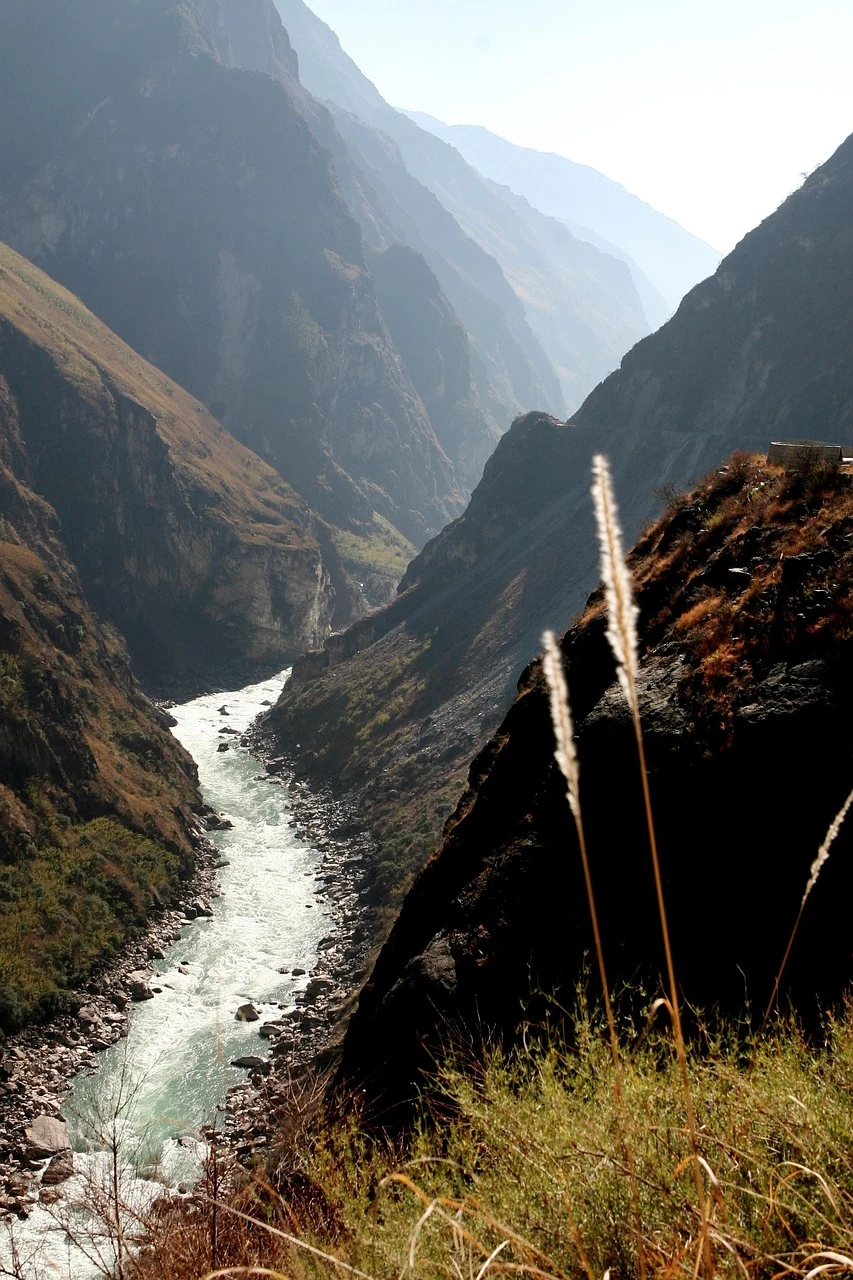
One of the world's deepest river gorges with legendary hiking trails.
View Details
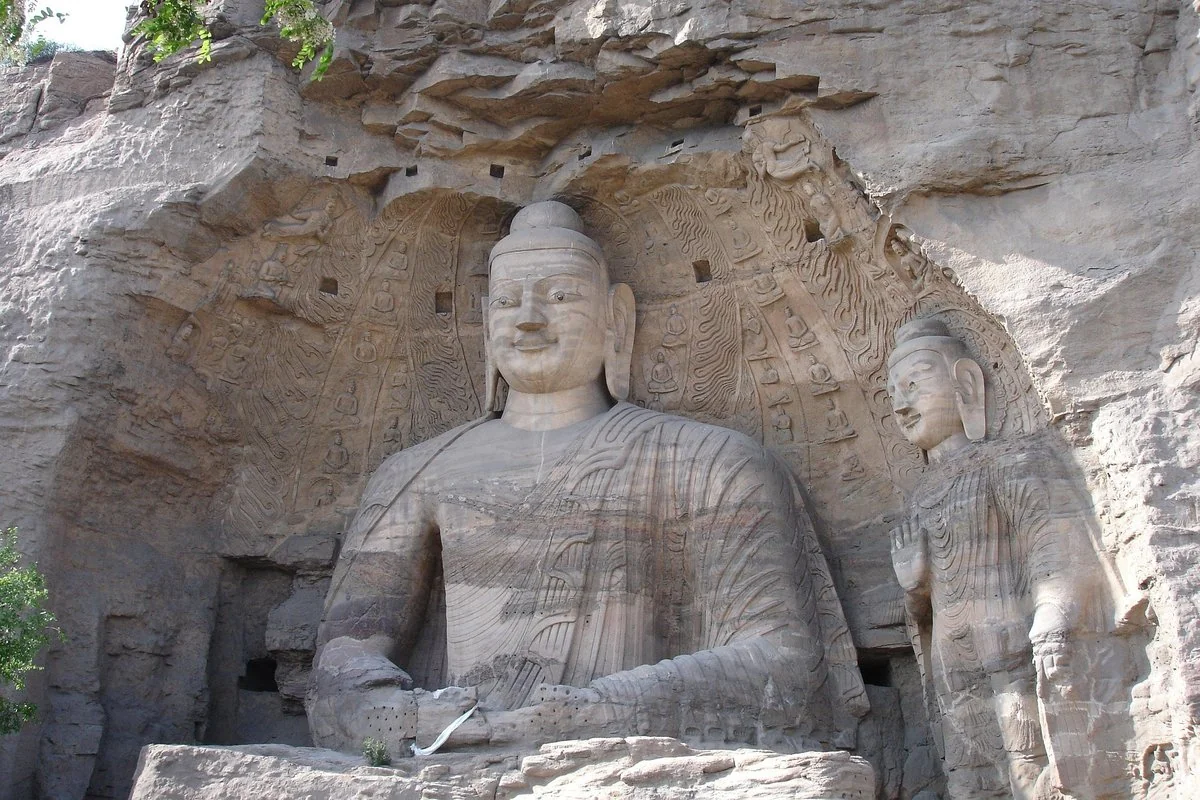
UNESCO World Heritage site with 51,000 ancient Buddhist rock carvings.
View Details