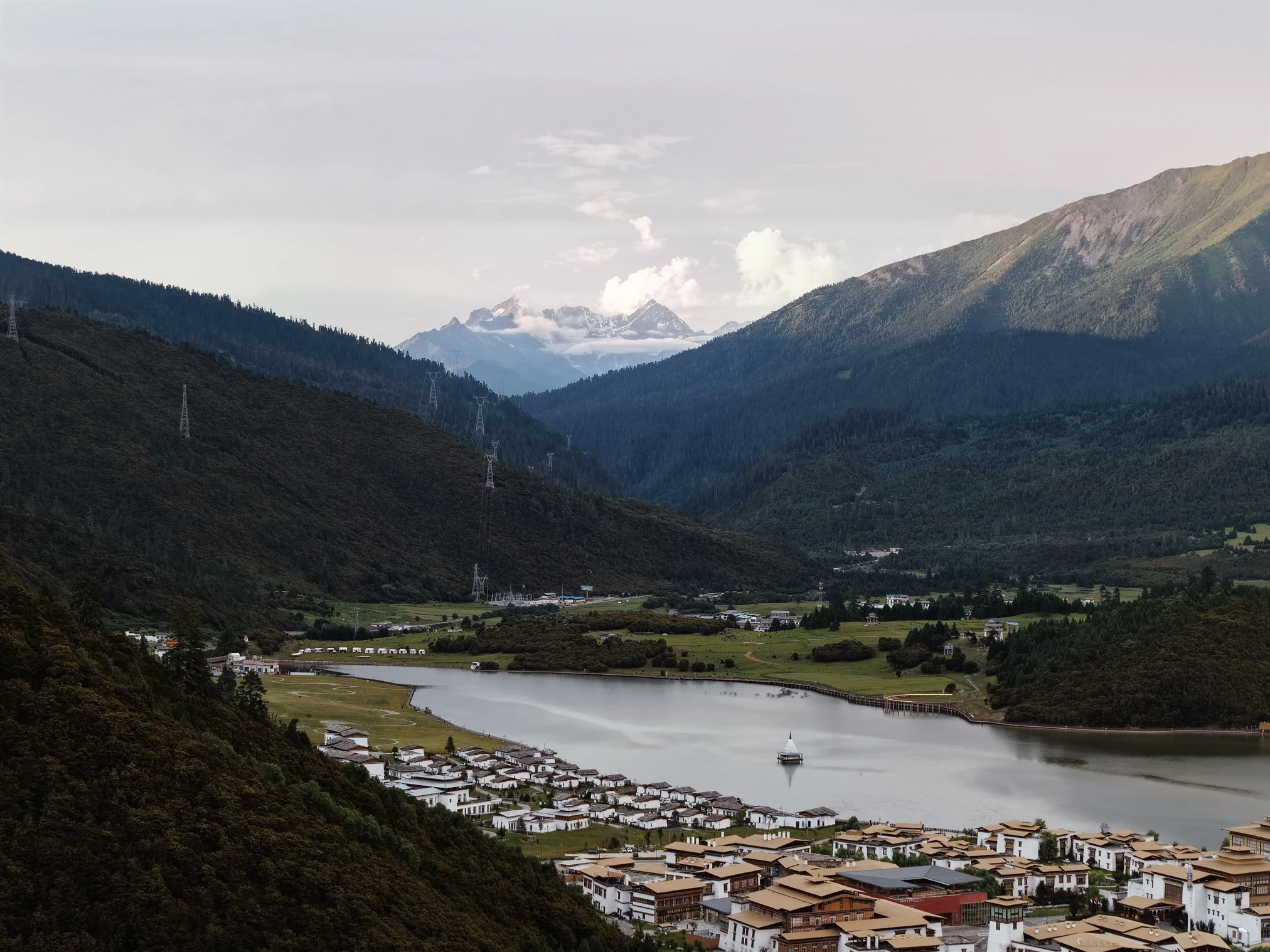
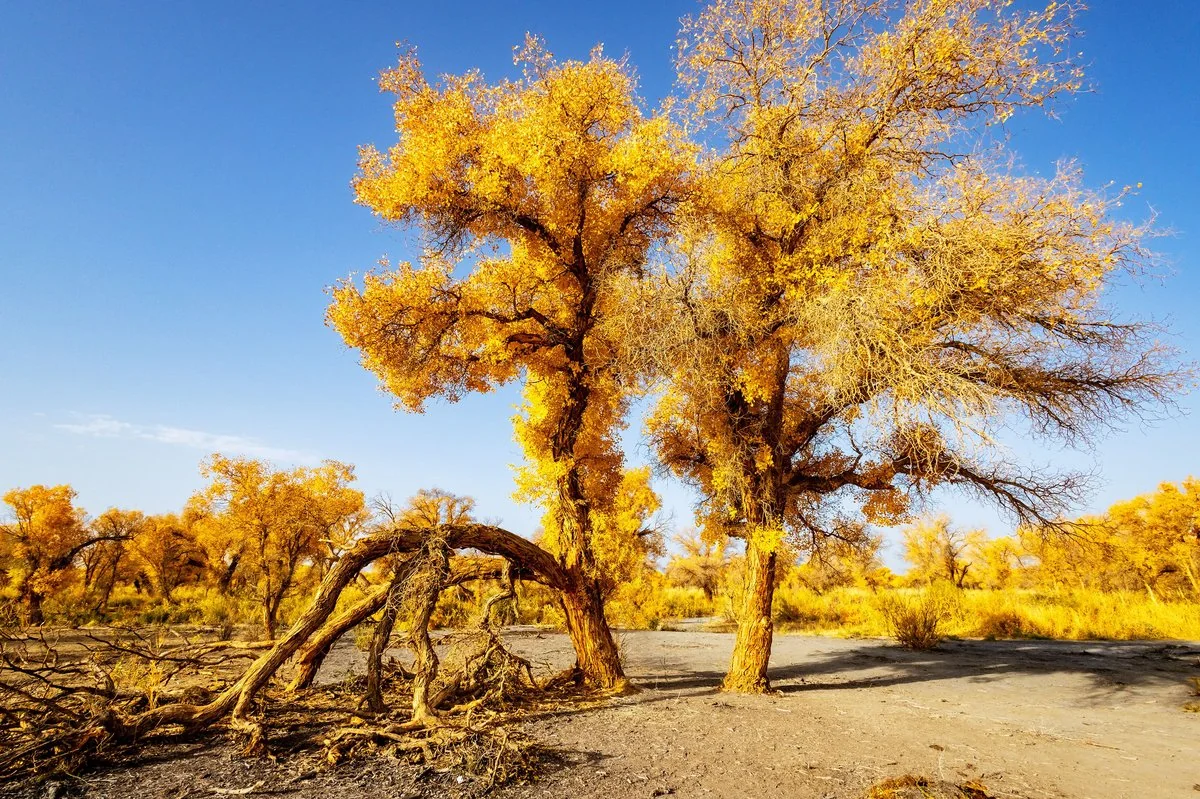
Kanas Lake
Stunning alpine lake in Altay Mountains, known for its color-changing waters.
View DetailsPingyao County, Shanxi Province
Pingyao Ancient City's widely known as China's most complete surviving Han county town, locked solidly into classic Ming-era architectural styles through the centuries. UNESCO marked it a World Heritage Site back in 1997, calling it an incredibly well-preserved sample of traditional Han city layout you won't find matched anywhere else.
A full 6km stone city wall wraps the entire old town, lined with 3,000 battlements and 72 watchtowers spaced evenly along the stone walkway. Wander Rishengchang—China's very first official bank, where Shanxi merchants built a massive cross-country financial empire hundreds of years ago. Drop by the County Government Office to catch lively reenactments of Qing Dynasty court trials that run daily. You can book cozy stays in traditional courtyard inns, dig into famous Pingyao beef, watch old shadow puppet performances, and wander cobblestone lanes lined with glowing lanterns once the sun sets. A German travel influencer told me the lantern-strung alleyways after dark outshone every single ancient town they'd visited all across China.
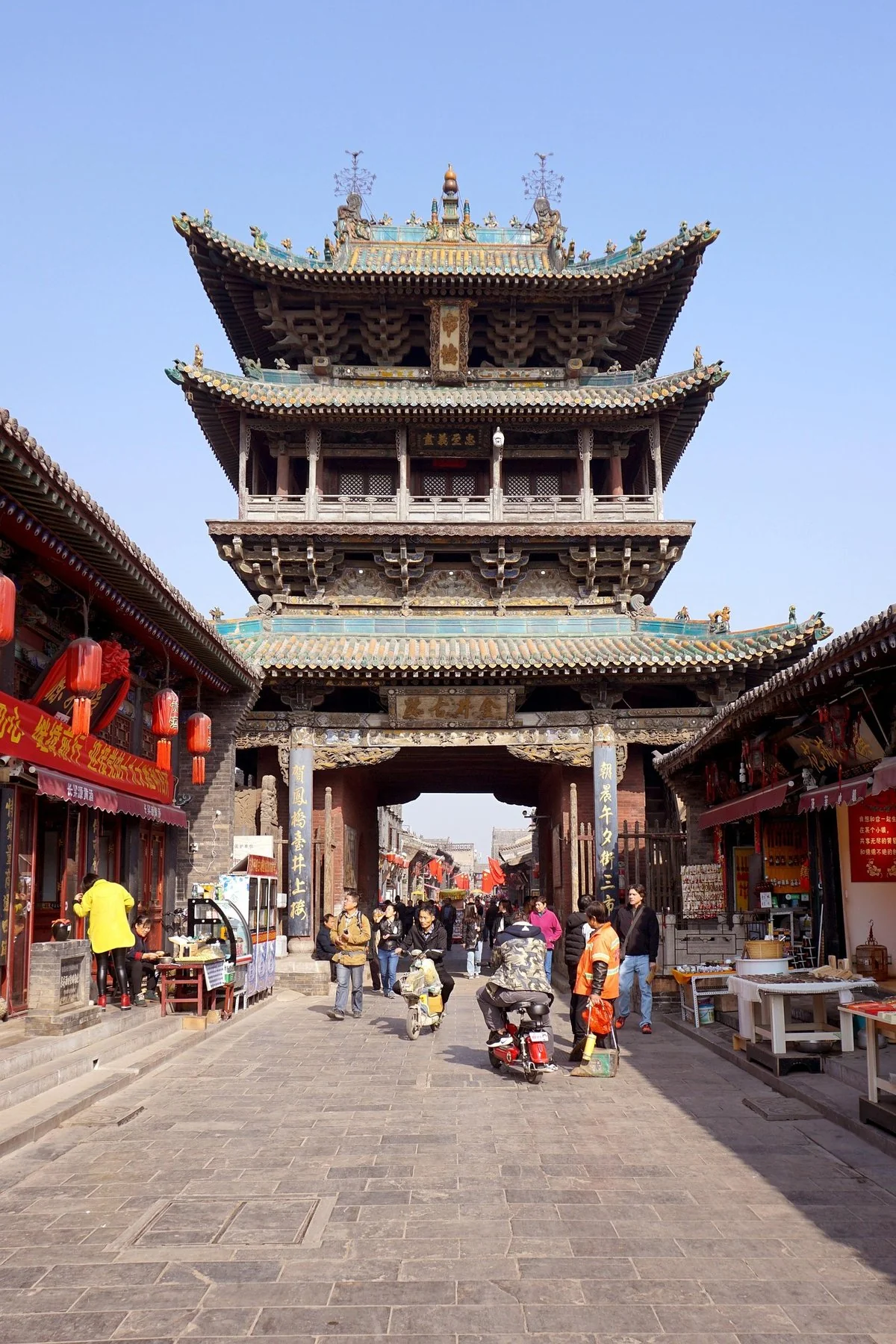
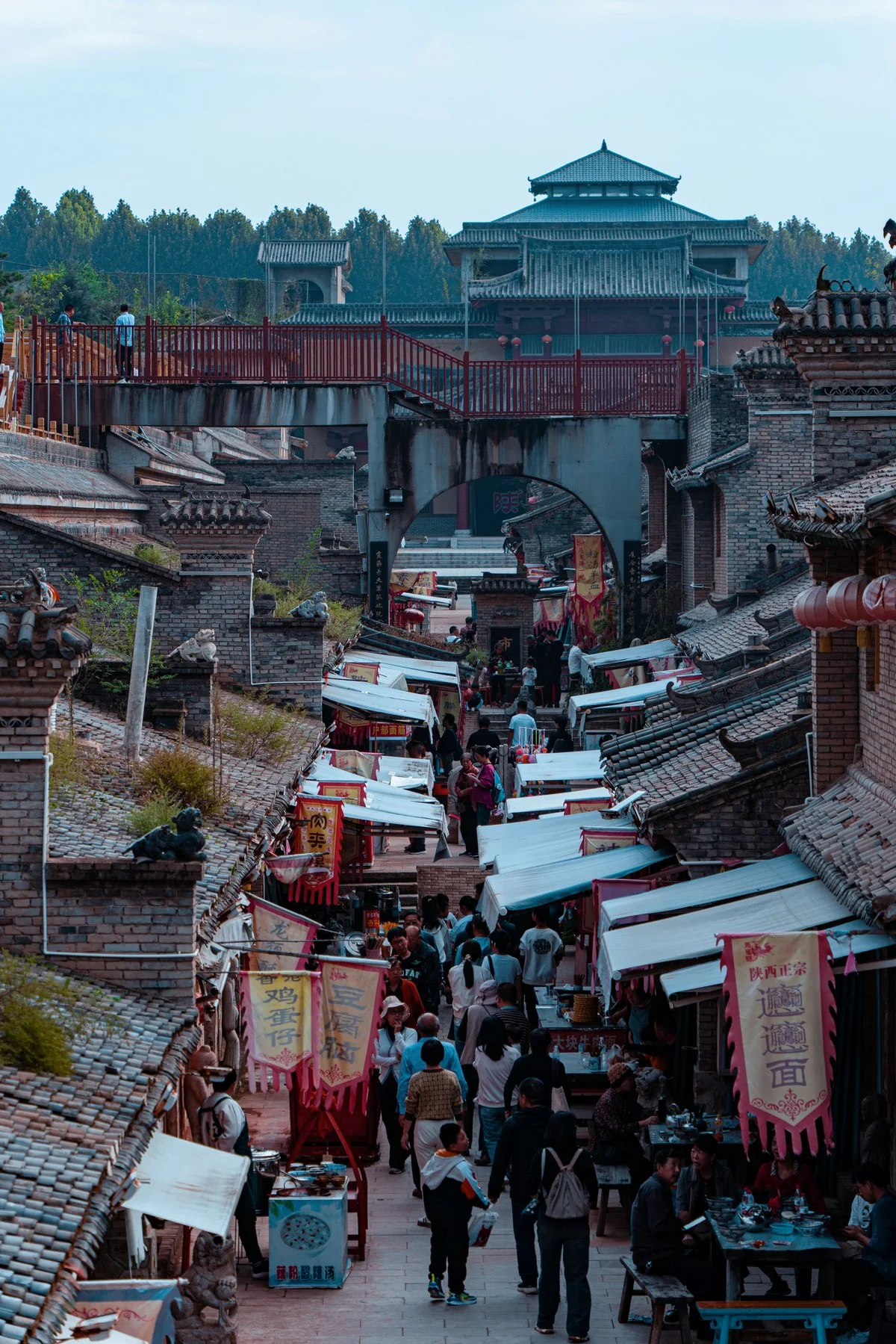
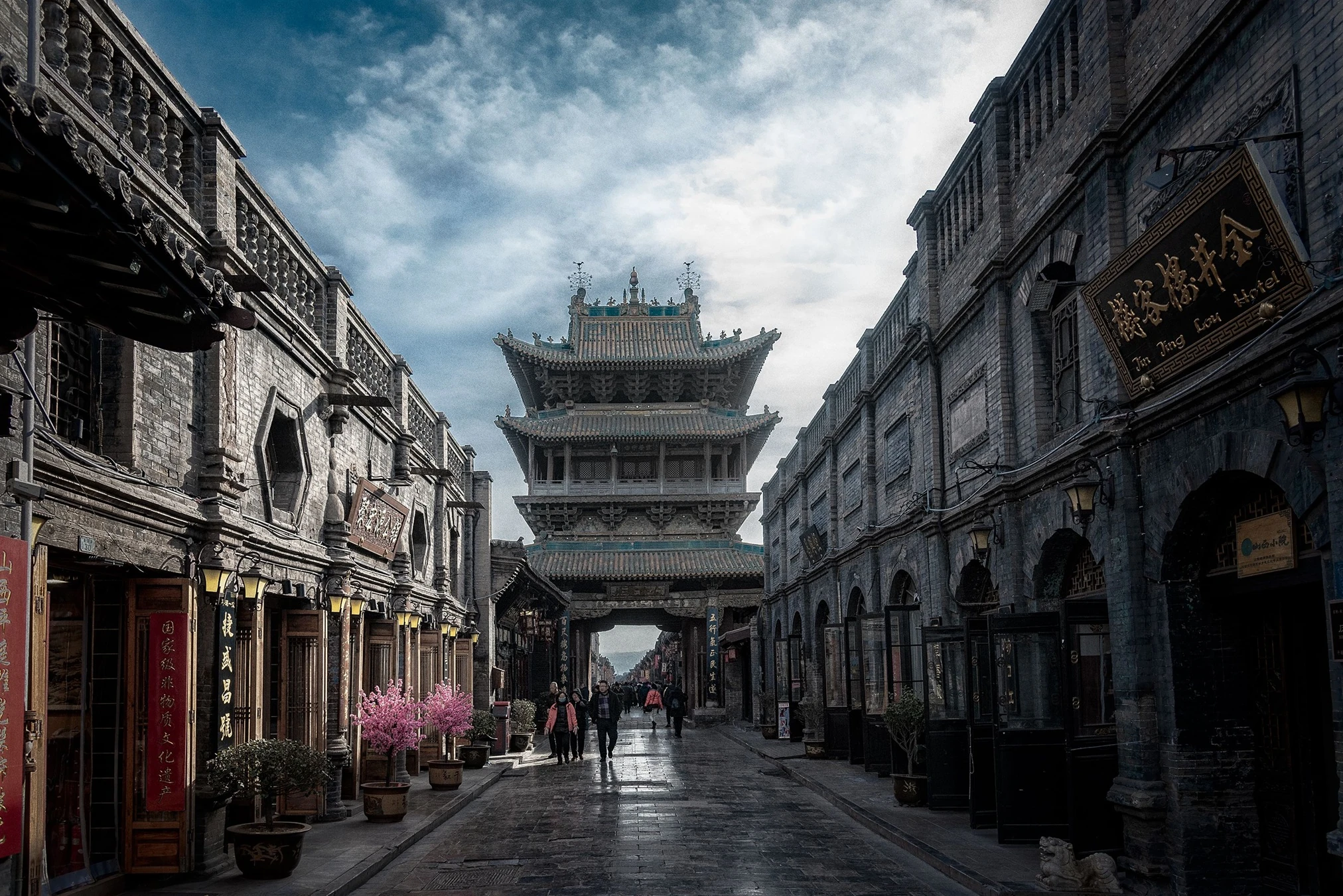
Pingyao holds official UNESCO World Heritage recognition, showcasing genuine Ming and Qing Han urban planning design. Its 6km city wall ranks as only one of three fully intact Han city walls across the whole country (the other two in Xi'an and Nanjing), yet Pingyao keeps the most authentic old-town scale without over-the-top tacky modern reconstruction cluttering the landscape.
Rishengchang Draft Bank invented China's earliest paper banknote system, called piaohao or draft houses. Don't skip the wax figure exhibit showing merchants counting silver ingots—photography's allowed everywhere except the underground vault storage room in the basement. Several overseas vloggers snuck photos inside the vault area before, and venue staff temporarily confiscated their phones on the spot.
The County Yamen (ancient county hall) hosts mock Qing court trials every day at 10:00 and 15:00 sharp. Visitors sitting in the front row can volunteer to dress up as red-robed “criminals” for the lighthearted, fully scripted show; it's a huge crowd favorite with zero heavy serious historical weight to it.
Quick city wall etiquette tip: If long-distance walking wrecks your joints, rent a golf cart for ¥80 ($11) hourly instead of biking. Avoid leaning hard against the stone battlements around sunset—these 600-year-old stone structures have crumbled in multiple spots, and loose bricks have fallen down onto tourists in recent years. A Canadian backpacker watched a huge chunk of stone crash down just inches away from a family leaning too far over the railing once.
Kang-bed courtyard inns feature built-in brick kang beds heated with wood fires underneath all winter long. Remember to ask innkeepers to turn the stove down an hour before bed, or you'll toss and turn sweating through your entire night's sleep. Loads of foreign travelers missed this simple hack and sweltered nonstop their first evening staying in a courtyard inn.
Shadow puppetry tickets at the 78 Theatre come with a free cup of astragalus herbal tea as a bonus. Grab a front-row seat to clearly watch puppeteers manipulating figures behind the screen; most performers hand-write custom calligraphy scrolls as souvenirs for visitors after each show wraps up.
Steer clear of street vendors selling “ancient coins” and jade pendants lining South Street—99.9% of these trinkets are cheap modern reproductions, with so-called jade pieces made from plastic or resin. Real antique relics carry legal bans against being exported out of China, so there's zero point splashing cash on these fakes. Countless overseas tourists waste hundreds on fake jade ornaments every travel season without realizing they've been ripped off.
Pingyao beef carries official Protected Geographical Indication certification. Only meat from local Pingyao-bred red Simmental cross cattle, slow-simmered with a secret blend of 13 herbal spices, counts as authentic Pingyao beef. Buy vacuum-sealed sliced portions from official Guan Yun brand supermarkets, not random street stalls by the gate. Prices run ¥60–120 ($8–$17) per 500g, shifting based on which cut of meat you pick.
Wantuo buckwheat jelly noodles: Cold gelatinous buckwheat discs tossed with chili oil, garlic, sesame paste and fresh cucumber strips. A 70-year-old family stall hidden behind City God Temple serves the original generations-old recipe for ¥12 ($2) a bowl—cash only, no mobile payment options available here. Multiple foreign visitors got stuck unable to pay after ordering, since they only carried phone payment and no physical cash on hand.
Knife-cut noodles: The biggest draw here's watching chefs shave noodle strands straight off dough blocks balanced on their heads, right into boiling hot water. Beef and pickled cabbage topping's the classic combo, priced ¥18–28 ($2–$4) per bowl.
Pingyao mooncakes: Flaky pastry stuffed with sesame, walnut and red bean paste, baked in heavy cast iron molds at tiny family bakeries off North Street. Buy them a full day before you leave the town—they stay fresh for two whole weeks and make lightweight, unique travel souvenirs to bring back home.
Huanggu warm rice wine: 14% ABV amber rice wine, served in tiny ceramic cups, pairs perfectly with cold beef appetizers at courtyard inn restaurants. One 500ml pitcher costs ¥30 ($4).
Astragalus root tea: Local herbal brew handed out free after shadow puppet shows. Locals swear it boosts immunity and improves blood circulation after long days walking the ancient town.
Your daily food budget lands roughly ¥80 ($11)–¥160 ($22) per person. For better value and more authentic flavor, head to tiny hidden alley eateries off East Street where regular local residents eat every day—two full dishes, rice and soup run ¥35–50 ($5–$7) per guest. A British food blogger swore these tucked-away alley spots tasted miles better than overpriced main-street restaurants that only cater to tour groups.

Stunning alpine lake in Altay Mountains, known for its color-changing waters.
View Details