Longsheng Rice Terraces
Stunning layered rice terraces carved into mountain slopes.
View DetailsYongding County, Fujian Province
Fujian Tulou stand as incredible fortified earthen homes built by Hakka villagers between the 12th and 20th centuries. These massive round or square structures rise up to five stories high, capable of housing 800 clan members all under one single thick rammed-earth roof, originally constructed as shared defensive fortresses to shield entire clans from bandits and outside invaders during turbulent war-torn eras hundreds of years ago.
UNESCO inscribed forty-six tulou structures as World Heritage back in 2008, describing them as extraordinary one-of-a-kind examples of a unique building tradition blending communal multi-generational living and practical military defensive design all in one building. Rammed earth walls reach up to 2 meters thick, reinforced with woven bamboo strips for stability against storms, with just a single narrow main entrance and tiny gun ports lining upper floor levels for defense against attackers. Inside each tulou, rooms wrap around a central ancestral worship hall, paired with shared water wells, communal cooking kitchens and connected living spaces for every household in the clan. Plenty of tulou remain fully occupied by multi-generational Hakka families today, completely preserving ancient clan customs and age-old tight-knit social structures that rarely exist anywhere else in modern China. A Singaporean travel blogger said these earthen fortresses felt far more immersive and authentic than any European stone castle they toured across the continent, with real families carrying out daily routines inside instead of just empty museum exhibits staged for tourist photos.
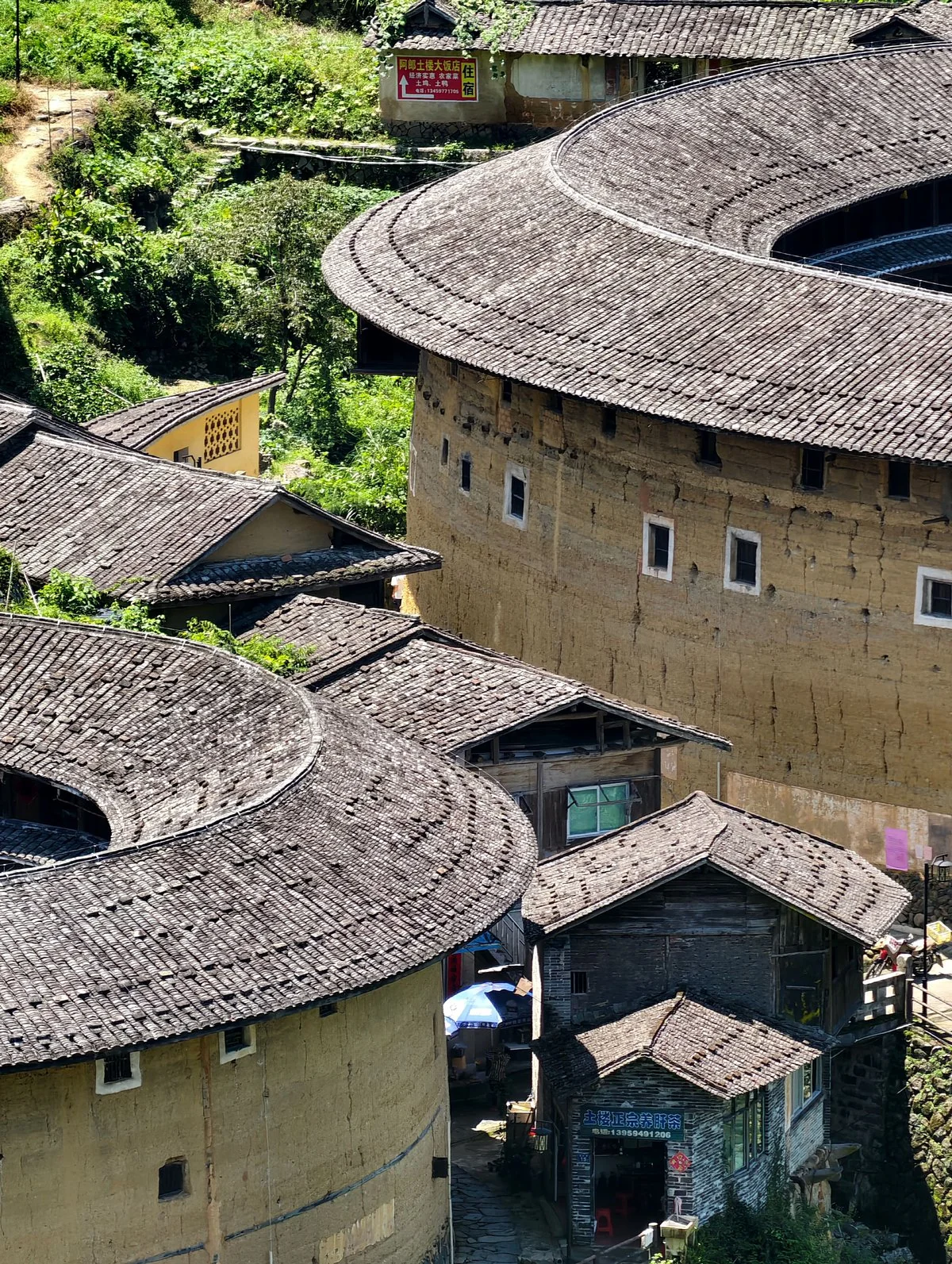
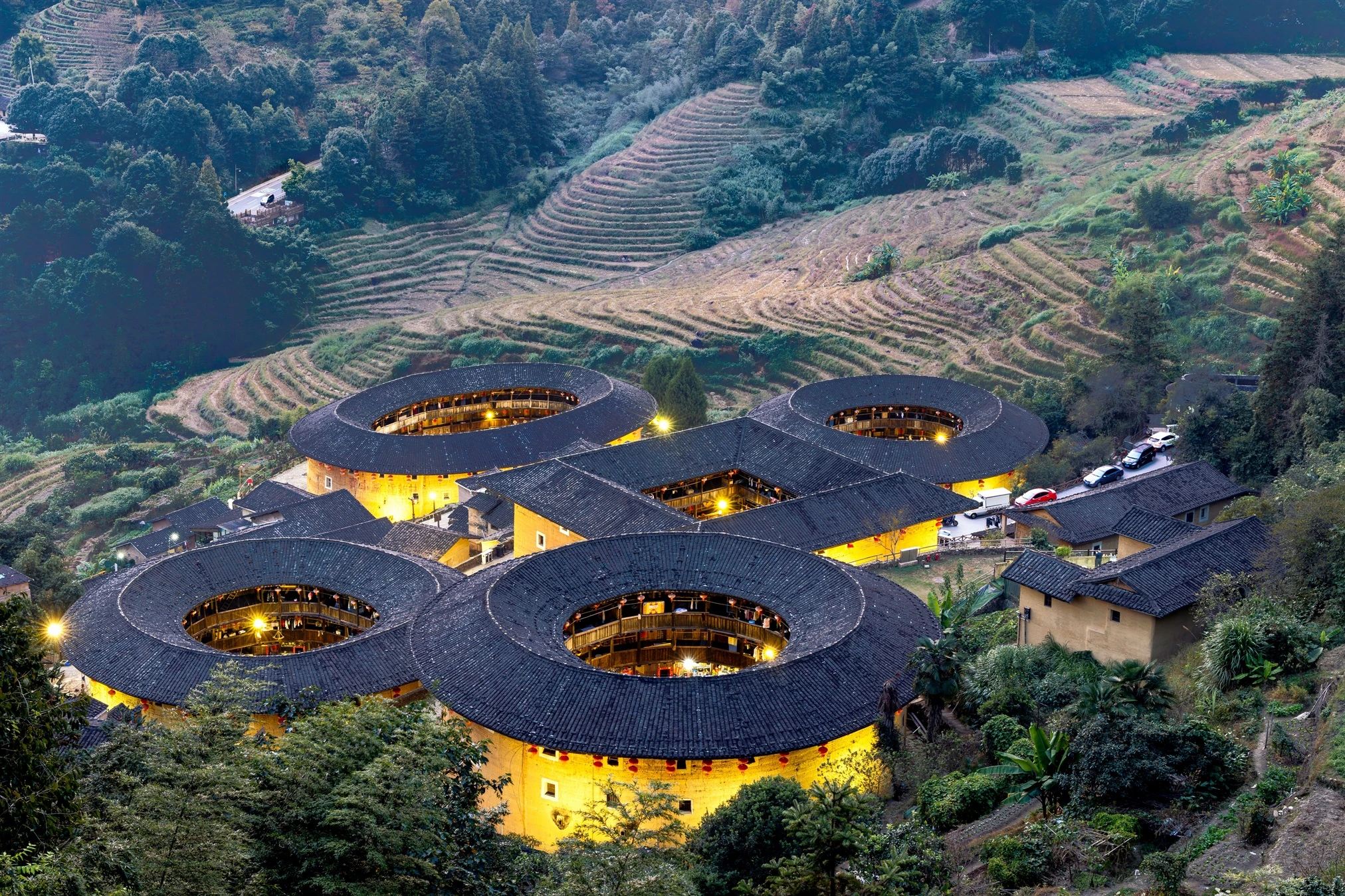
Fujian Tulou (Hakka earthen castles) are fortified Hakka and Minnan round earthen residences, awarded official UNESCO World Heritage status in 2008. Over 3,000 tulou buildings went up between the 12th and 20th centuries, mostly built as defensive clan housing during large-scale Hakka mass migrations from northern to southern China to escape bandit raids and nationwide warfare back then.
Hakka clan etiquette you must follow: Many tulou stay fully inhabited year-round, some housing over 300 three-generation clan members living together at once. When you walk into a tulou's central courtyard, do not step into the inner ancestral hall unless a clan elder formally invites you inside first. This hall holds sacred ancestral spirit tablets honoring deceased clan ancestors, and wandering in uninvited counts as deeply disrespectful trespassing against the whole family's dead relatives. Multiple foreign tourists accidentally wandered into restricted ancestral halls before and were politely but firmly asked to leave by village elders immediately.
Chengqi Lou, nicknamed the “King of Tulou”: Four concentric layered rings with four hundred separate rooms, home to six hundred permanent residents living inside full-time. The official tour path runs strictly one-way clockwise only for visitor flow control. You can take photos freely inside the outer courtyard flagstone zone, but climbing internal wooden staircases costs an extra ¥20 ($3) fee paid directly to the clan elder stationed at the stair guard station—this separate charge isn't included in standard park entry tickets most visitors buy first.
Hakka tulou wedding ceremonies often take place on quiet weekend mornings through spring and autumn travel seasons. You may observe quietly from the courtyard outer edges if you keep voices low and don't block guest walkways for the wedding party. If hosts offer homemade food or invite you to sit among wedding guests, gifting a red envelope of ¥50–100 ($7–$14) follows local customary etiquette as a wedding blessing gift to the newlyweds.
Hongkeng Tulou Cluster caters heavily to mass package tour groups with packed crowded walkways, while Chuxi Tulou Cluster retains authentic quiet village life with way fewer visitor crowds and unspoiled rural scenery surrounding every earthen building. The forty-five minute extra drive to Chuxi is absolutely worth it if you want unrushed, genuine cultural shots without hundreds of tourists blocking every camera frame. Many overseas photographers skipped Chuxi entirely and regretted crowded Hongkeng's constant tourist bustle afterward when editing their travel photos back home.
Zhu Jiao village tea houses offer free Hakka tieguanyin oolong and black tea tastings if you buy any tea product (even a cheap ¥50 ($7) tea cake counts to unlock free samples). Avoid unmarked tea shops near Yongding bus station pushing overpriced “premium aged dahongpao tea”—these sell cheap ordinary tea leaves dyed red to fake an aged look, marked up ten times their actual market value to trick foreign tourists. Countless foreign travelers overpaid heavily for fake aged tea here without realizing the scam until leaving the area and tasting the low-quality brew back at their homestay.
Dining inside tulou: Ground-floor family homes sell homemade Hakka meals to passing visitors stopping by. It's polite to remove outdoor shoes before stepping over their kitchen/dining threshold, simply a long-standing local custom for earthen-floor living spaces to keep outside dirt out of cooking and eating areas.
Hakka folk belief small rule: Don't cut fingernails or comb your hair after midnight inside tulou buildings; village elders claim this action “cuts off” the clan's accumulated good fortune and prosperity for the whole household. Locals won't physically intervene if you break this rule, but they'll view your behavior as thoughtless and disrespectful to the entire clan living under the same earthen roof.
Hakka cuisine leans salty, rich and fatty, designed for long-term food storage without refrigeration—practical migrant food developed during clan wars and mountain migrations when fresh produce access stayed limited for months at a time.
Yongding beef ball soup: Every beef ball gets pounded two thousand times by hand in batches, served in slow bone broth with crisp white radish slices floating on top. A stall outside the Hongkeng Tulou ticket office has run this exact family recipe for forty straight years, ¥18 ($2) per bowl to warm you up on cool mountain days.
Stuffed tofu: Hakka's signature iconic dish every visitor needs to try. Each tofu cube gets hand-stuffed with minced pork, salted fish and chives, pan-fried then slow-braised in thick soy sauce for hours. Every tulou restaurant tweaks the recipe with a secret unique spice twist passed down family lines, ¥38 ($5) per full plate to share.
Hakka salt-baked chicken: Whole young chicken slow-baked buried inside 10kg heated sea salt for two full hours, skin turning ultra-crisp and meat shatteringly tender inside. Order a minimum two hours early if you want the traditional slow-baked version, ¥88 ($12) per whole bird for groups to split.
Steamed pork belly layered with preserved mustard greens: Classic Hakka comfort food, alternating thick fatty pork belly and fermented mustard greens steamed three hours until ultra soft and unctuous. One single bowl feeds three to four guests with plain white rice on the side.
Tea-oil mushroom stir-fry: Local hardwood mushrooms, shallots and pine nuts stir-fried in Chinese tea-seed oil, which handles higher cooking temperatures than olive oil without burning and adds a unique nutty aroma to every vegetable dish.
Snack sold street-side: Freshly pounded Hakka mochi made every morning at Chengqi Lou street stalls, filled with sweet peanut and sesame paste inside, ¥5 ($1) per soft mochi ball perfect for midday sightseeing snacks.
Drinks worth purchasing: Yongding red rice wine, 16% ABV, home-brewed by every village household, offered alongside every meal at homestays as a welcoming gesture to new guests. Tieguanyin oolong tea ranks as Minnan and Hakka Fujian's pride local tea—don't leave without grabbing a vacuum-sealed bag of decent quality tea (¥150 ($21) and up). Skip cheap ¥20 tourist tea packs sold at roadside stalls, they're low-grade filler leaves with no real floral aroma at all.
Daily food budget averages roughly ¥75 ($10)–¥140 ($19) per person. Nearly all traditional Hakka dishes contain pork or salted fish; notify your homestay hosts twenty-four hours ahead if you follow a vegetarian diet so they can prepare tofu, mushroom and wild vegetable substitutes for your meals. Multiple plant-based travelers forgot to pre-notify hosts and received zero meat-free meal options on arrival, forcing them to rely only on street mochi and light snacks for every meal their whole trip.
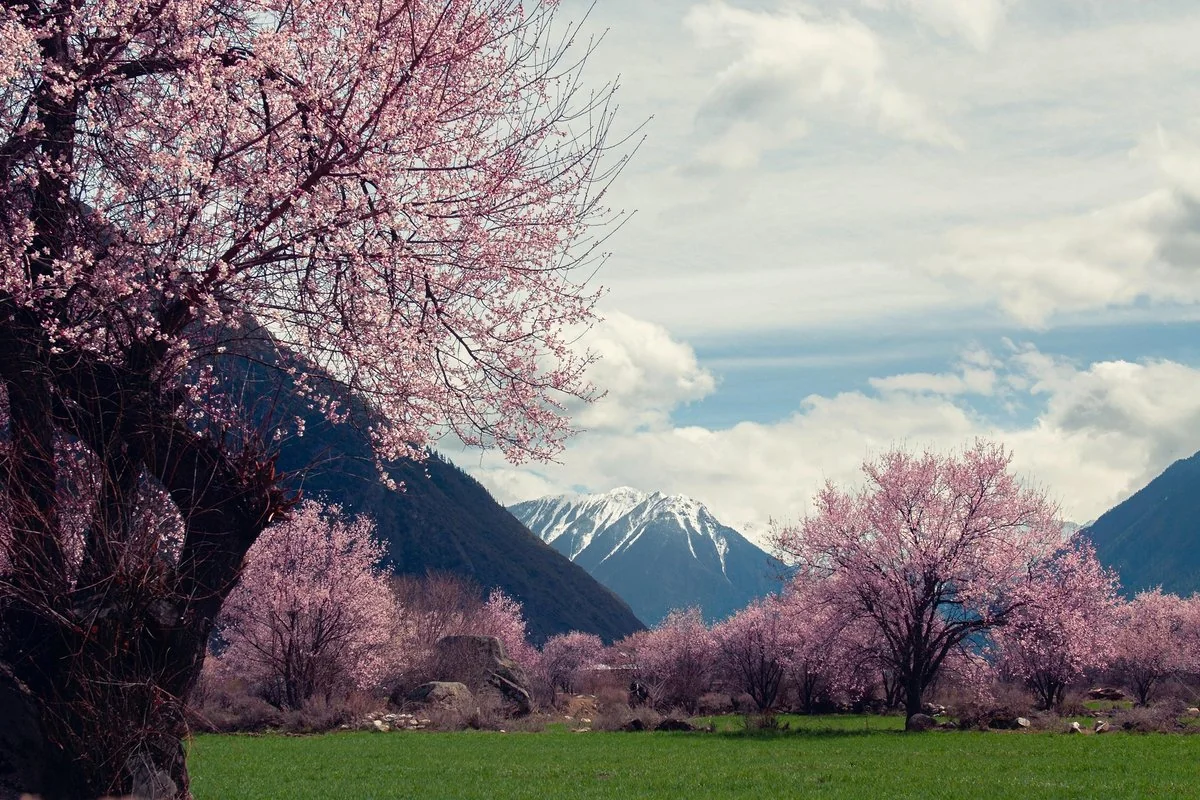
Spectacular spring peach blossom valleys at the foot of snow mountains.
View Details
UNESCO World Heritage site with 51,000 ancient Buddhist rock carvings.
View Details