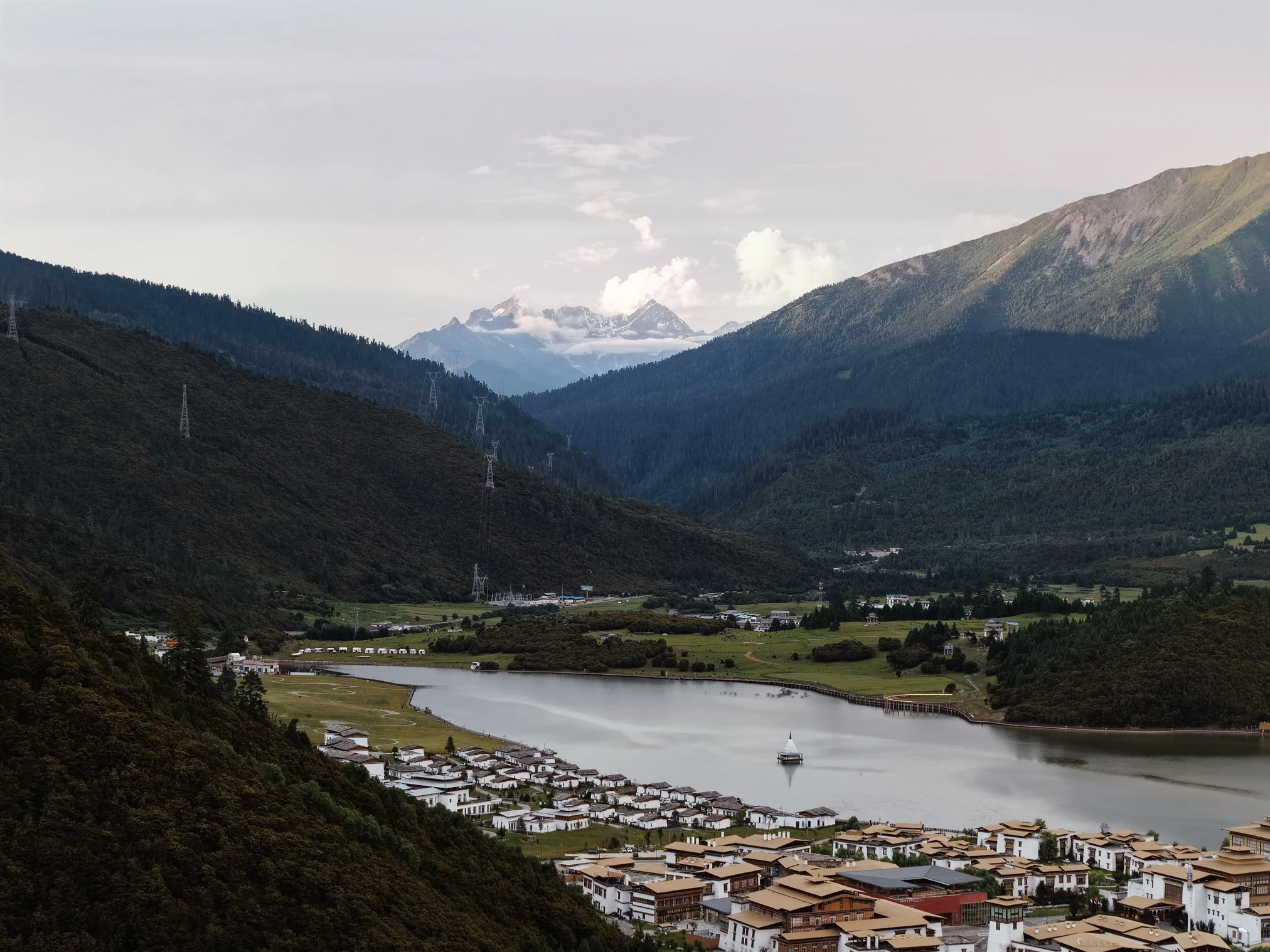
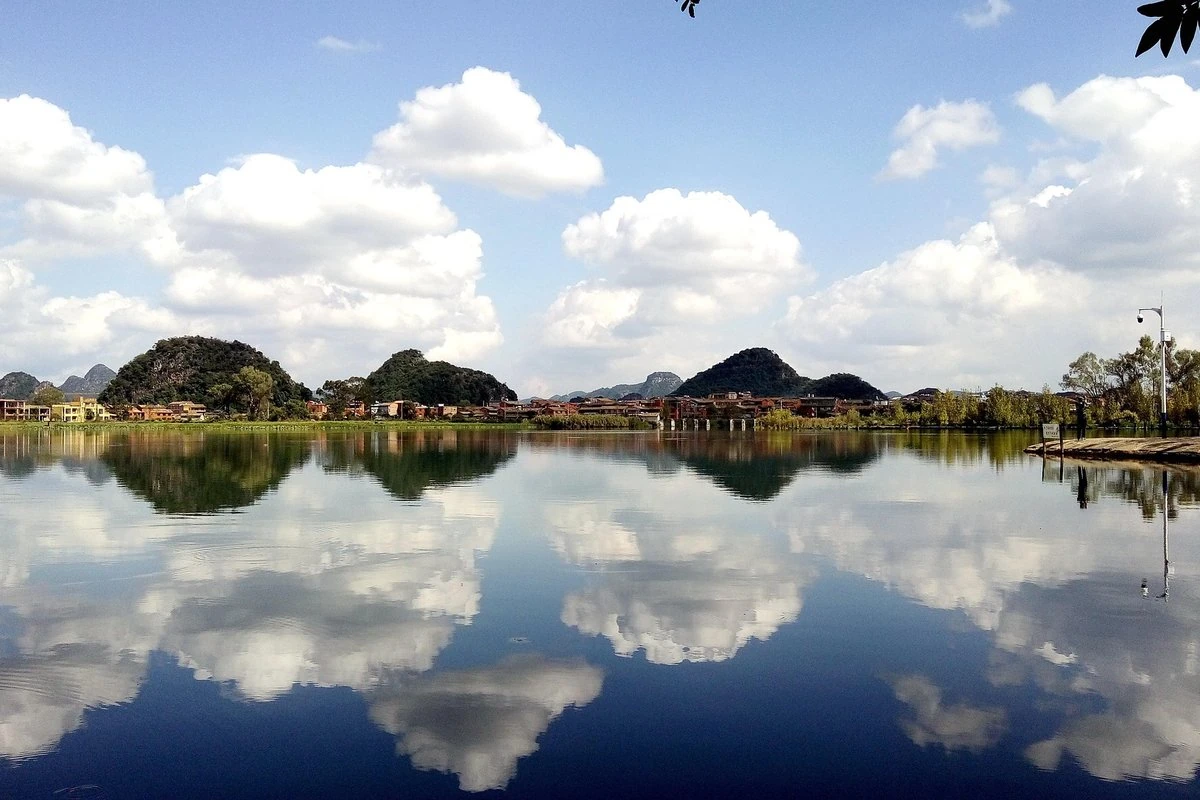
Daocheng Yading Nature Reserve
The "Last Shangri-La" with three holy peaks and emerald alpine lakes.
View DetailsShangri-La, Yunnan Province
Tiger Leaping Gorge ranks among the world's deepest river canyons, where the Jinsha River (the upper stretch of the Yangtze) surges through a fifteen-kilometre (9.3 mi) gorge sandwiched between 5,596m Jade Dragon Snow Mountain and 5,396m Haba Snow Mountain. At its narrowest gap, the canyon only spans thirty metres (98 ft) wide—local legend tells of a hunted tiger leaping this gap to escape archers, giving the gorge its famous name. This spot hosts China's most iconic multi-day hiking trail, drawing serious backpackers from every global country. The upper High Trail winds along cliffside paths past Naxi hamlets, layered rice terraces and thick forest, delivering constant views of the roaring river far below and snow-capped mountain peaks overhead. The gentler Lower Trail sticks close to powerful river rapids down at water level for travellers who want a more immersive river experience. If steep long hikes aren't your style, the upper gorge section has flat boardwalks and elevated viewing platforms open to all visitors. The dramatic combo of snow peaks, thousands-metre deep canyons and untamed wild river turns Tiger Leaping Gorge into an unmissable stop on any Yunnan travel route. One long-distance hiker from Europe said the two-day high trail trek is far more rewarding than most popular mountain hikes in Southeast Asia, though the midday summer sun on black slate rock gets brutally hot.
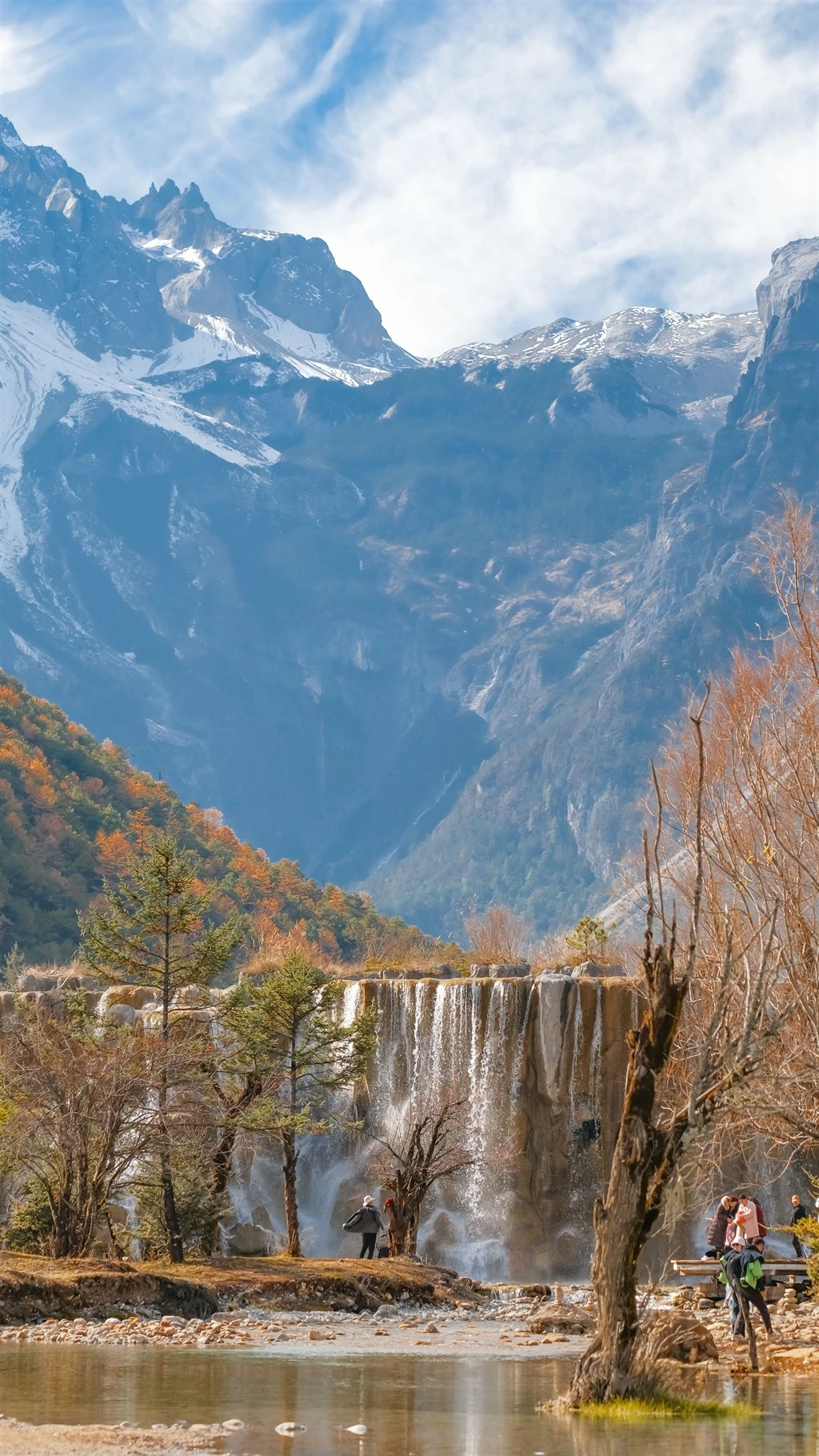
The "Last Shangri-La" with three holy peaks and emerald alpine lakes.
View Details