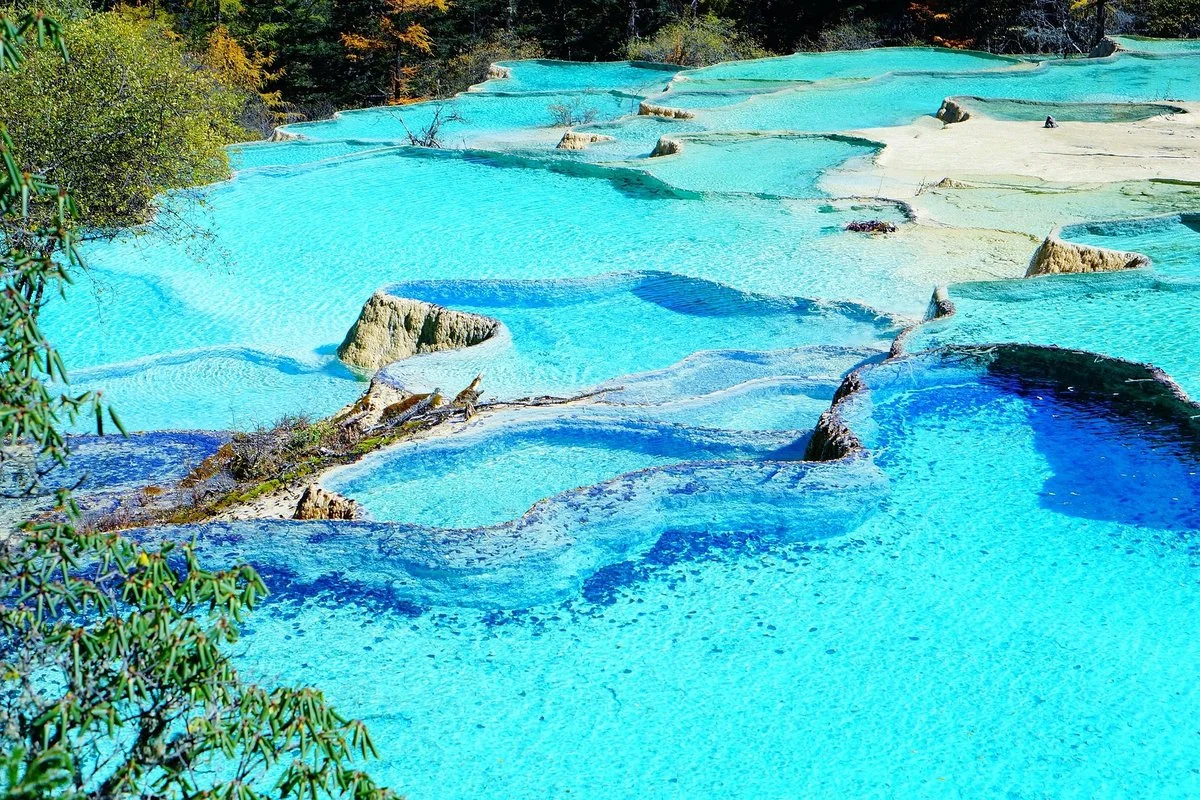
Jiuzhaigou Valley
Fairyland of turquoise lakes, waterfalls, and snow-capped peaks.
View DetailsDatong, Shanxi Province
The Yungang Grottoes stand among China's three legendary ancient Buddhist cave temple complexes, alongside Mogao Caves and Longmen Grottoes most travelers hear about first. Carved straight into Wuzhou Mountain's soft sandstone cliffs during Northern Wei Dynasty rule between the 5th–6th centuries AD, the grotto complex holds 252 carved caves and stone niches with over 51,000 Buddhist statues and intricate stone relief carvings covering every cliff surface—an unmatched masterpiece of early Chinese Buddhist sculpture art with no comparable equivalent anywhere across the globe.
UNESCO added Yungang to its World Heritage roster back in 2001, praising it as a perfect representative work of early Chinese cave Buddhist art blending cross-cultural Silk Road influences. Statue sizes range from tiny centimetre-scale figurines to the massive 17-meter seated Buddha in Cave 20, the iconic landmark image of Yungang with its calm, weathered stone face worn smooth by centuries of wind and rain erosion. The carvings seamlessly mix Indian, Central Asian and native Chinese artistic styles together, clearly showcasing the Silk Road's vital role spreading Buddhist culture eastward across all of Asia over a thousand years ago. The full site stretches roughly one kilometer along the cliff face, with the most breathtaking detailed caves clustered tight in the western section of the whole stretch. Set aside multiple unrushed hours to wander the caves and soak in the staggering scale and delicate hand-carved craftsmanship of every relief carving lining the rock walls. A UK art historian traveled solely to study Yungang's cross-cultural mixed carving styles, calling it one of Asia's most underrated ancient art treasures overlooked by mainstream tourist groups rushing between more famous Chinese sites.
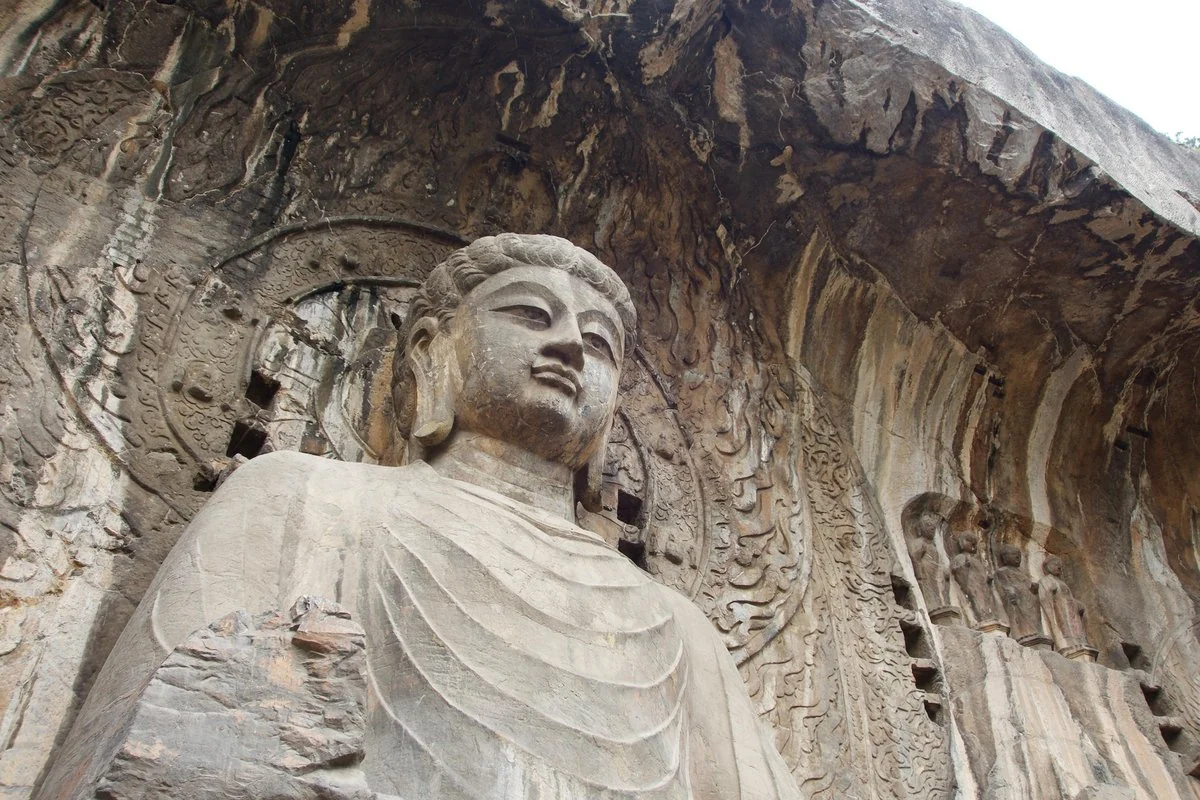
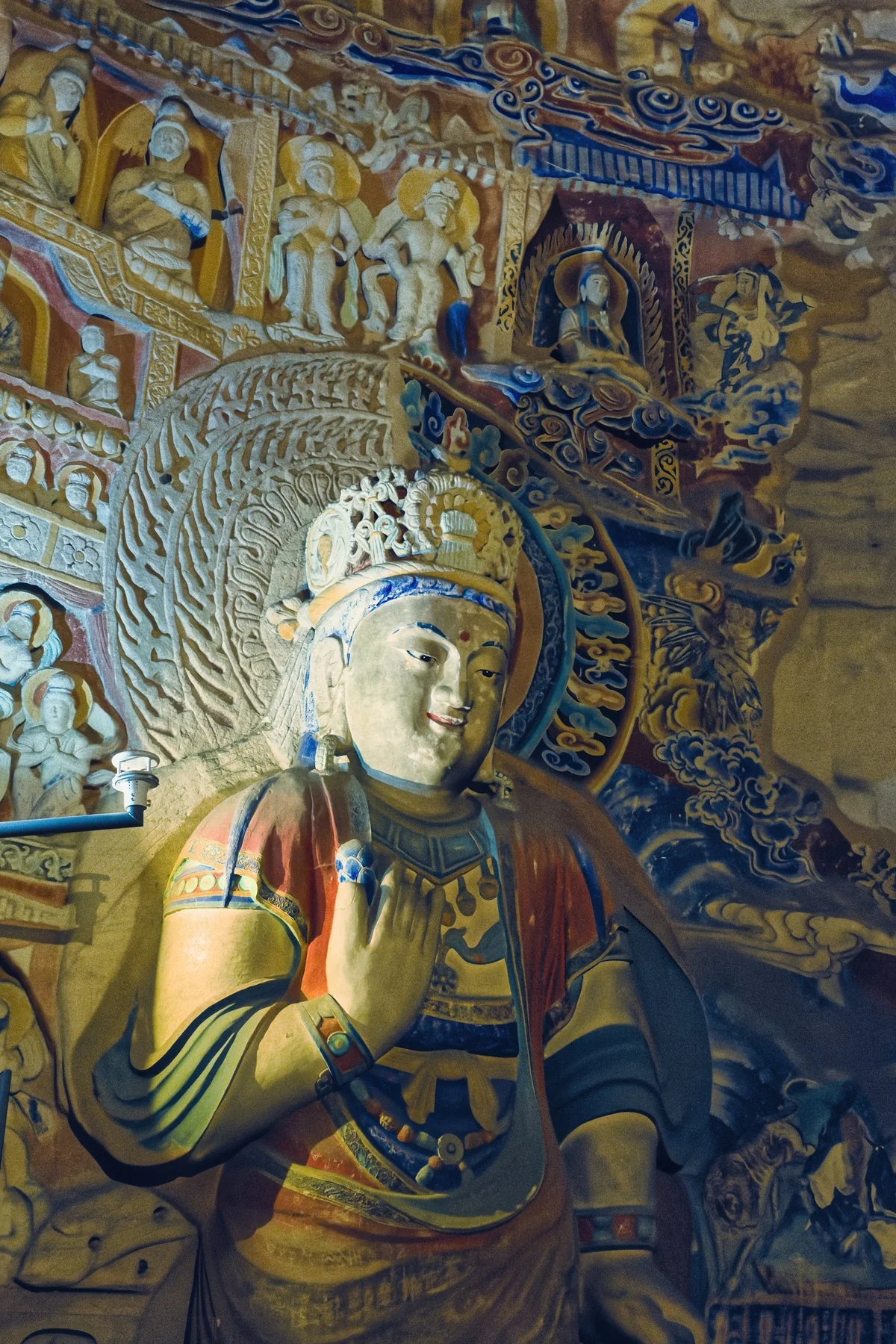
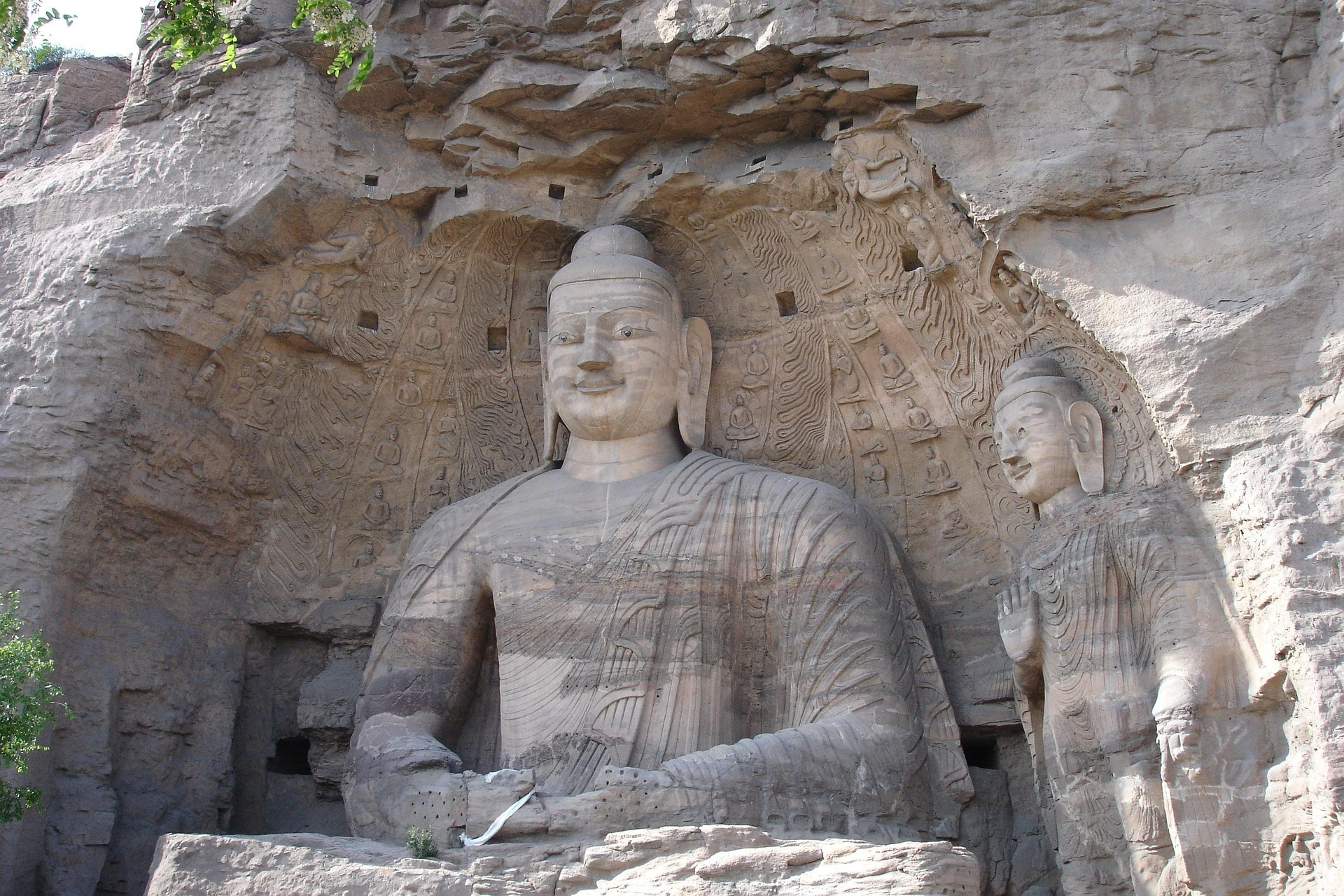
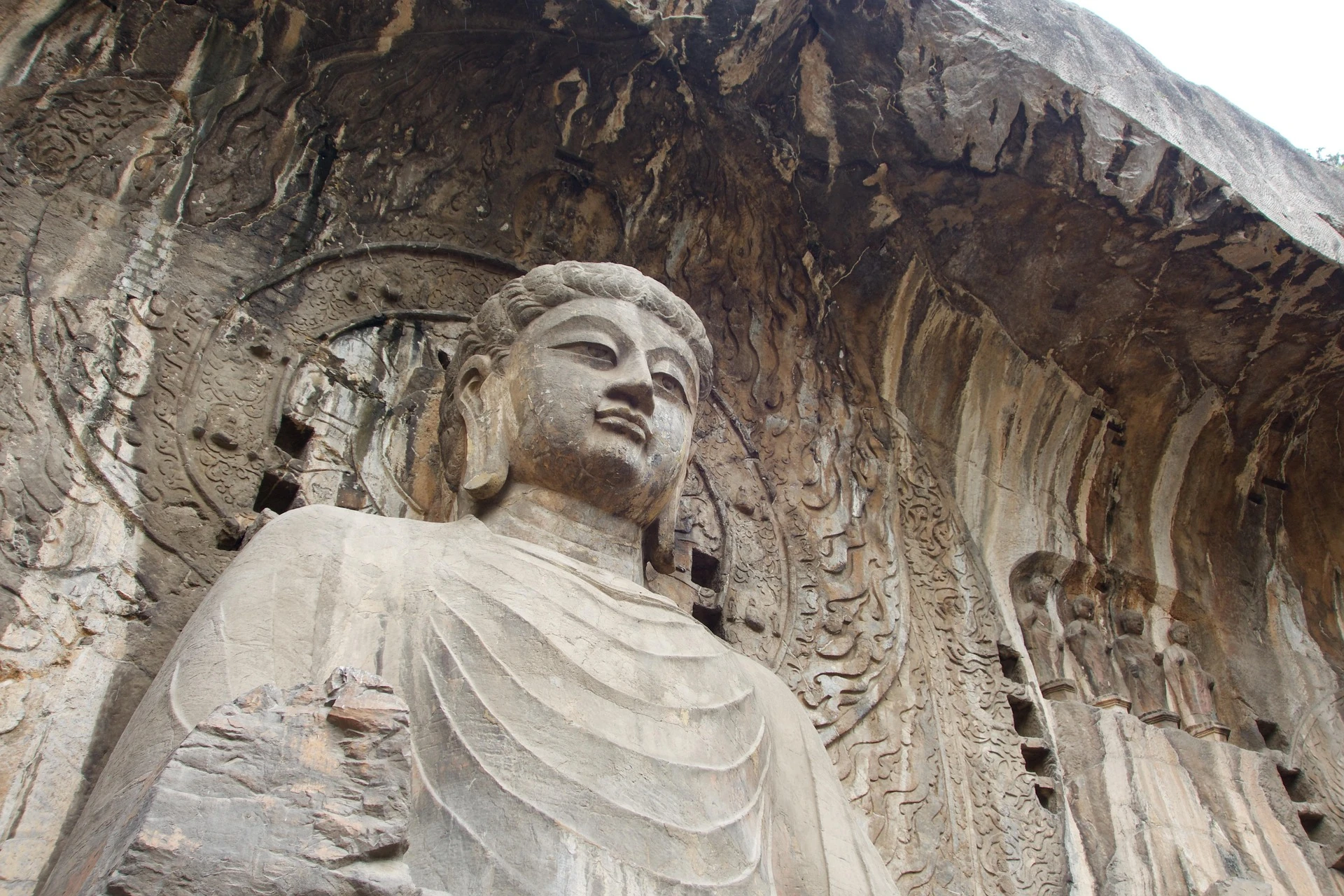
Yungang Grottoes: 1,500-year-old Northern Wei Buddhist cave temples carved along a one-kilometer Wuzhou Sandstone cliff near Datong, Shanxi Province. Official UNESCO World Heritage since 2001, housing fifty-three major complete caves plus over 51,000 surviving hand-carved stone statues covering the cliffside.
Photography ground rules to avoid permanent damage: No flash photography allowed anywhere inside cave spaces—UV light from camera flash fades original sandstone mineral pigments by 0.4% per year, permanent irreversible damage that can never be repaired by restoration teams. Tripods stay banned entirely inside Caves 1–20, though you can set tripods up freely in the outer Wuzhou Temple courtyard and Ming-era pagoda areas outside the cave cliff walls with zero restrictions.
Caves 5 and 6, known as the Twin Caves, contain the 17m tall seated Sakyamuni Buddha, the site's absolute unmissable highlight every traveler lines up to see. Queues for Cave 5 stretch ninety minutes or longer during July–August peak travel weeks with sweltering midday heat beating down on waiting visitors. Arrive by 07:45, fifteen minutes before official opening hours, to skip the worst crowds and lengthy sun-soaked waits in line. Many overseas visitors queued for hours in blazing summer sun without early arrival planning and left exhausted with headaches halfway through their cave tour.
The “Five Caves of Tan Yao” (Caves 16–20) count as the oldest cave group on-site, designed by monk Tan Yao in 460 AD, each cave carved to represent five successive Northern Wei emperors depicted as living Buddha incarnations in solid stone.
Don't linger directly underneath giant Buddha heads for extended stretches of time—loose sandstone rock fragments fell in 2022 and 2024, injuring two visiting tourists who stood beneath the statues too long ignoring posted warning signs. Warning signs post heavy fines for reckless standing under overhanging rock, but the rockfall risk remains real regardless of signage staff put up along walkways.
Hanging Temple: Separate standalone attraction roughly 80km southeast of Yungang on Hengshan Mountain, built in 491 AD suspended 75m above Jinlong Canyon, anchored only by thin wooden cantilever beams hammered deep into solid cliff rock behind it. Walkways narrow to just 40cm wide in certain tight sections; children shorter than 1.2m cannot enter the climbing path, with a strict 80kg per-person weight limit enforced for safety. Anyone prone to vertigo can view the temple safely from the canyon valley floor for a cheap ¥15 ($2) viewing-only ticket; climbing the temple itself costs ¥130 ($18) extra for full access to all cliff walkways.
Datong city rebranded officially as “Datong Ancient City” after reconstructing its 7.2km Ming city wall in 2018. The restored Drum Tower district hosts the yearly Yungang Buddhist Cultural Festival every September, with live sandstone carving demonstrations led by resident temple monks open to all visiting tourists for free.
Huayan Monastery: A thousand-year-old Liao dynasty temple complex sitting within Datong city proper. Monastery etiquette checklist: Cover bare shoulders and knees with lightweight scarves or jackets, remove hats before entering prayer halls, keep voices low at all times out of deep spiritual respect to resident monks. You may take photos alongside Buddha statues, but never turn your back toward Buddha figures for selfies—this counts as deeply disrespectful in all mainstream Buddhist custom practiced across China. Several foreign tourists snapped back-facing selfies before and received quiet, firm reprimands from temple monks patrolling the prayer halls on site.
Shanxi-Datong regional cuisine focuses on hearty wheat-based noodle dishes and tender lamb specialties, crafted to sustain locals through long freezing mountain winters every year, paired with yellow millet staple grains as a carb base for every meal.
Datong knife-cut noodles: The city's signature soul food beloved by every local resident living in Datong. A three-hundred-year-old shop named “Drum Tower Dongpo Knife Cut Noodles” carves fresh noodles to order right out front for all guests to watch the chef's live noodle-making performance. Classic lamb topping mixed with pickled red cabbage, ¥22 ($3) per full bowl filling enough for a single traveler's lunch.
Shuanyang lamb copper hotpot: Datong's Inner Mongolian-influenced lamb hotpot uses traditional charcoal copper pots with ultra-thin 3mm lamb slices dipped in rich sesame-peanut dipping sauce on the side. One kilogram lamb plus four vegetable plates and sesame sauce dip costs ¥120 ($17) per person at “Old Datong Shuanyang” restaurant downtown near the ancient city wall.
Huangmi rice cold cakes: Sticky millet cakes steamed with red bean paste and goji berries, chilled and served with sweet osmanthus honey syrup drizzled over top, a popular summer dessert priced ¥16 ($2) per plate at every ancient city restaurant open to visitors.
Shao Mai open-topped steamed dumplings: Stuffed with lamb and shredded radish, folded into delicate crowns with eighteen or more thin pleats—higher pleat counts signal more skilled master chefs making them fresh each dawn. A classic local breakfast staple, ¥20 ($3) for eight pieces with hot millet porridge as a side.
Youmian kaolaolao naked oat noodle baskets: Hand-rolled oat noodles wrapped around thin wooden sticks, steamed five minutes then served with rich lamb sauce or cold sesame-cucumber dip for hot and cold eating options. A six-hundred-year-old noodle house near Pingcheng Gate serves the most authentic traditional version unchanged for centuries by local chefs.
Hengshan wild black fungus: Wood-ear mushrooms growing naturally on ancient Hengshan peach trees, braised with bok choy and yellow rice wine for a light refreshing side dish to balance heavy meat-heavy meals of lamb and pork all day long.
Drinks available for purchase: Fenjiu famous light-aroma baijiu produced near Fenyang, standard grade starts at ¥200 ($28) per bottle hitting 53% ABV strong grain liquor. Milder Zhuyeqing herbal liqueur, 45% ABV steeped with twelve mountain herbs, works better as a casual souvenir for non-baijiu drinkers unused to harsh strong grain liquor flavors. Astragalus tea also features heavily across every local eatery—Shanxi produces China's highest-quality astragalus root crop for herbal brews year-round.
Daily food budget runs roughly ¥85 ($12)–¥160 ($22) per person. Breakfast almost universally consists of knife-cut noodles for ¥15–25 ($2–$3) per bowl at street stalls opening early each morning. Two-person lunch set menus (two full dishes total) cost ¥60–90 ($8–$12) within the ancient city wall tourist zone. A Canadian food blogger said small alley noodle shops outside the main tourist square delivered far tastier, cheaper meals than central city restaurants catering exclusively to large tour groups of foreign visitors.
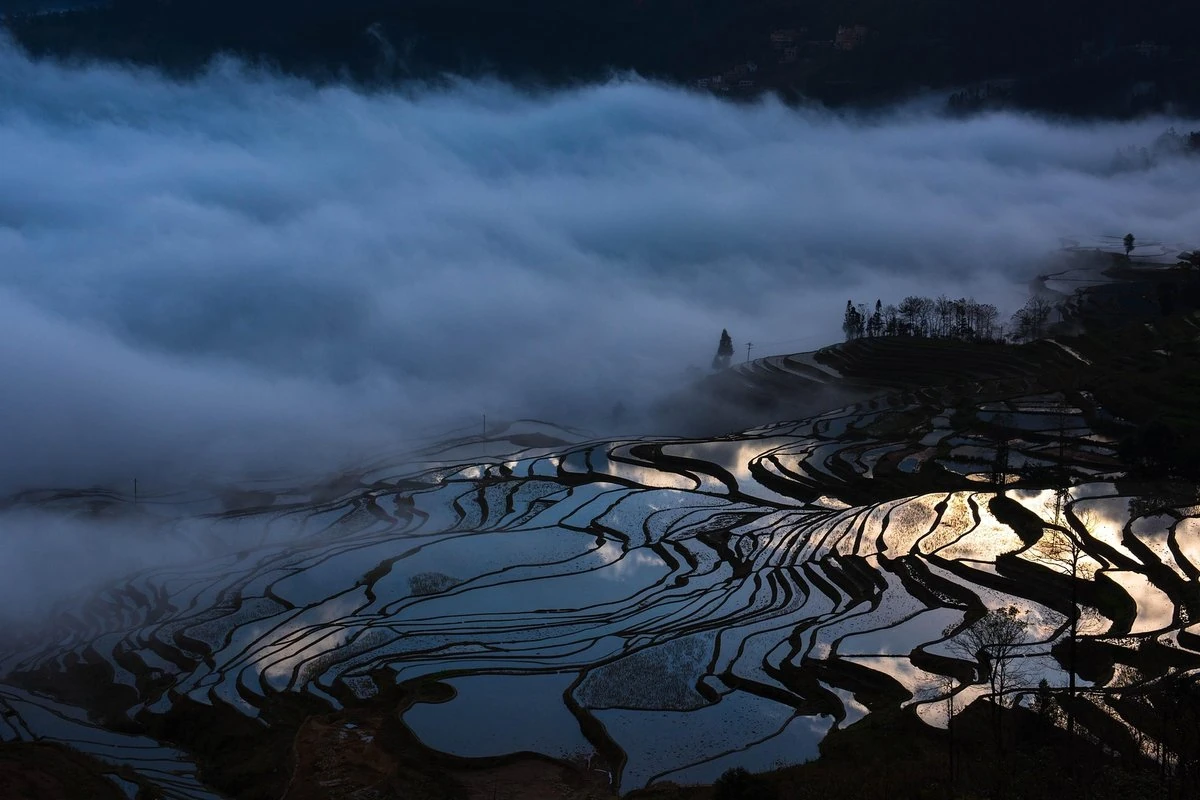
World-famous layered rice terraces sculpted by Hani people over 1,300 years.
View Details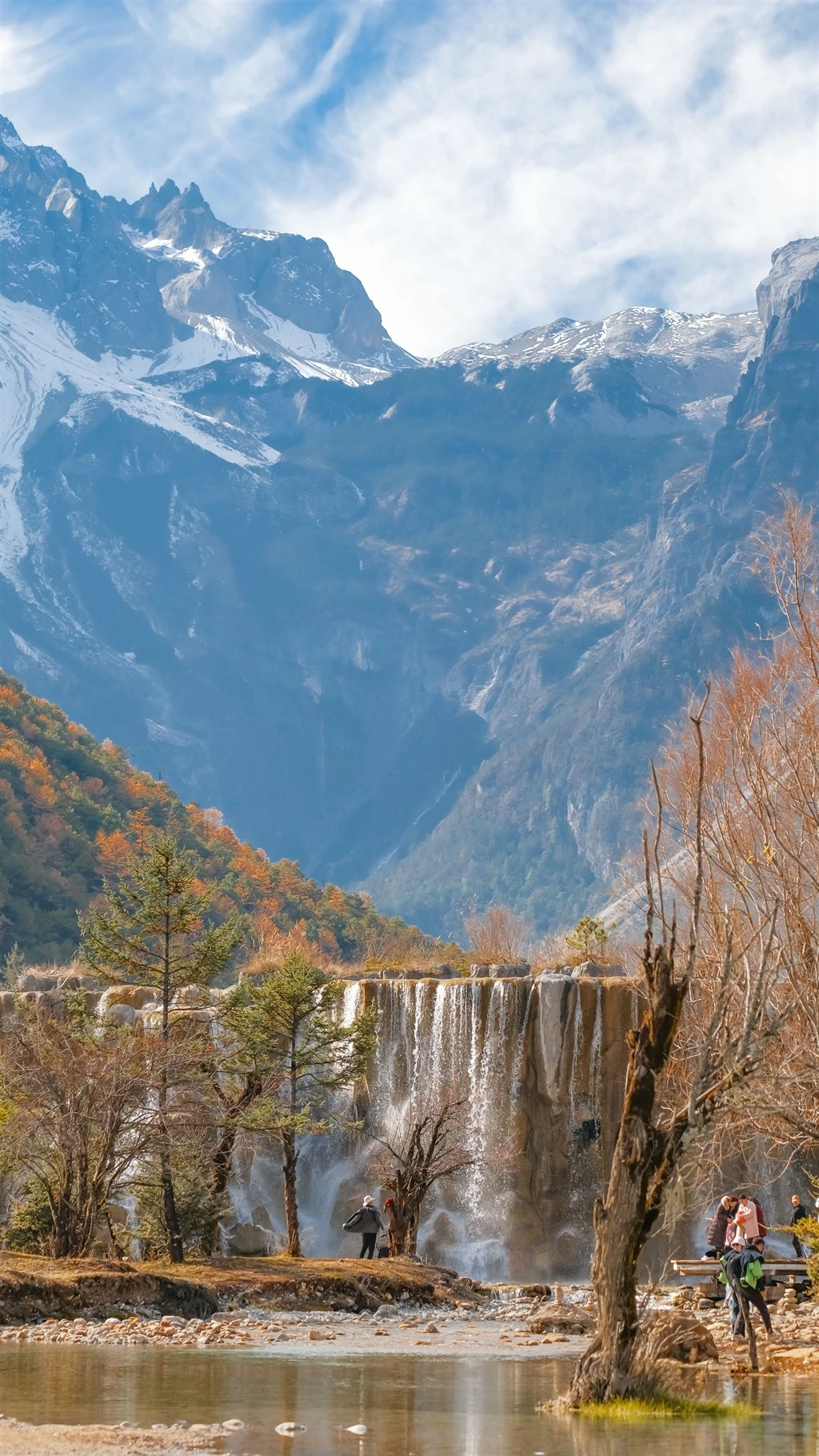
The "Last Shangri-La" with three holy peaks and emerald alpine lakes.
View Details