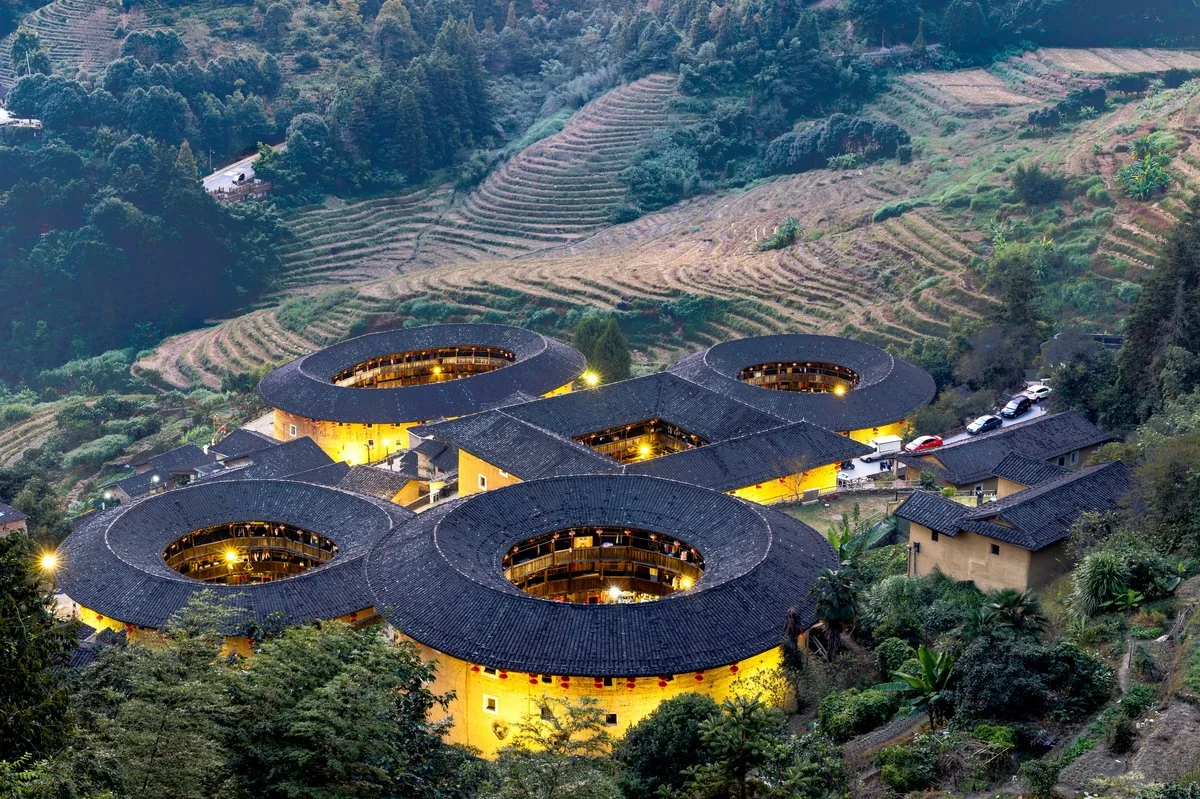
Fujian Tulou
UNESCO World Heritage Hakka earthen roundhouses.
View DetailsDunhuang, Gansu Province
Mogao Caves store one of the world's most extensive ancient Buddhist art collections, four hundred ninety-two grottoes hold 45,000 square metres (484,000 sq ft) murals created over one thousand years spanning fourth to fourteenth centuries
Locals nickname this landmark Thousand Buddha Caves, mandatory stop for every art and history lover traveling ancient Silk Road
Site sits directly along old Silk Road trading route, monks and traveling merchants funded cave construction over generations, filling each grotto with hand-carved clay statues, vivid wall paintings and tens of thousands ancient handwritten scroll manuscripts
Cave 17 (Library Cave) once stored more than fifty thousand scrolls and documents, sadly these priceless cultural relics scattered across museums worldwide after accidental discovery back in 1900
Visitors can book premium upgraded tickets to enter caves holding top-tier masterpieces, stand face-to-face with massive 35-metre giant Buddha statue and trace how Buddhist art evolved from original Indian styling into unique distinct Chinese artistic aesthetic
One travel blogger sent strong warning for regular ticket holders: standard guided tours move unbelievably fast, barely five minutes reserved per cave for admiring detailed murals before guides herd whole group onward without pause
Lots of art-focused tourists said rushed tour ruined their experience of appreciating thousand-year-old delicate artwork
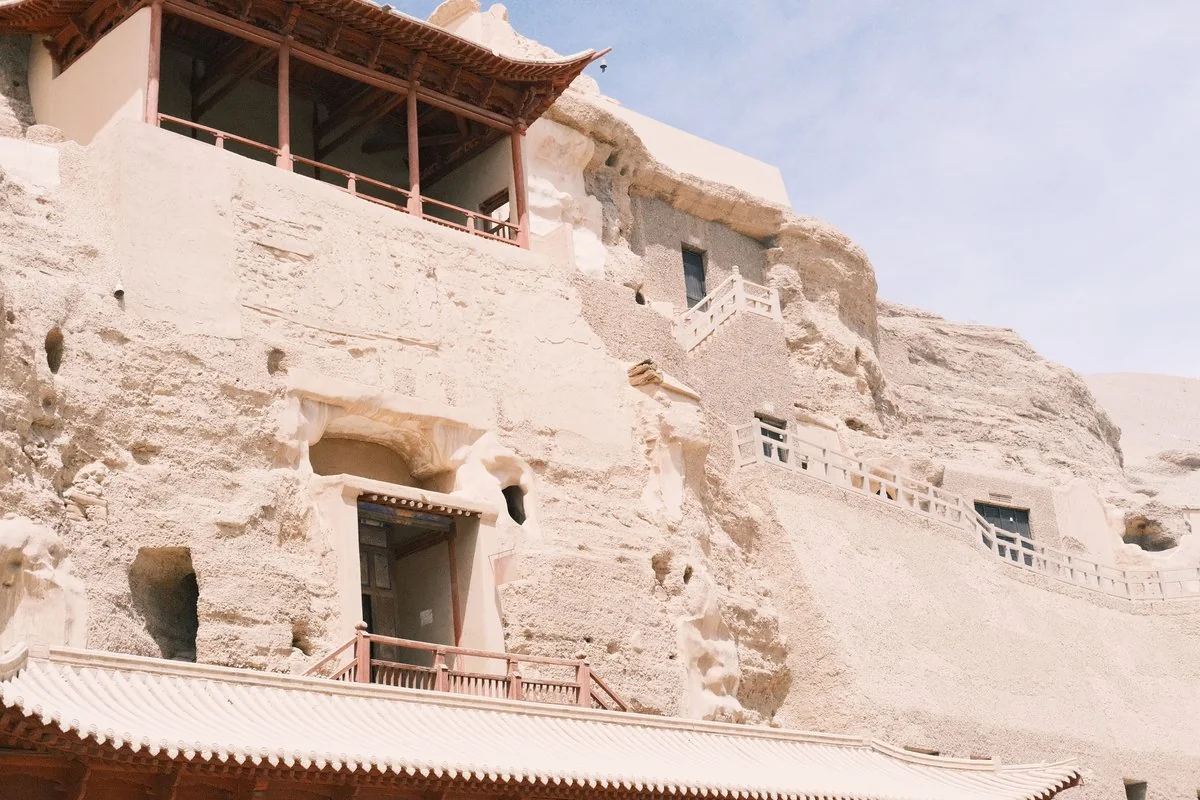
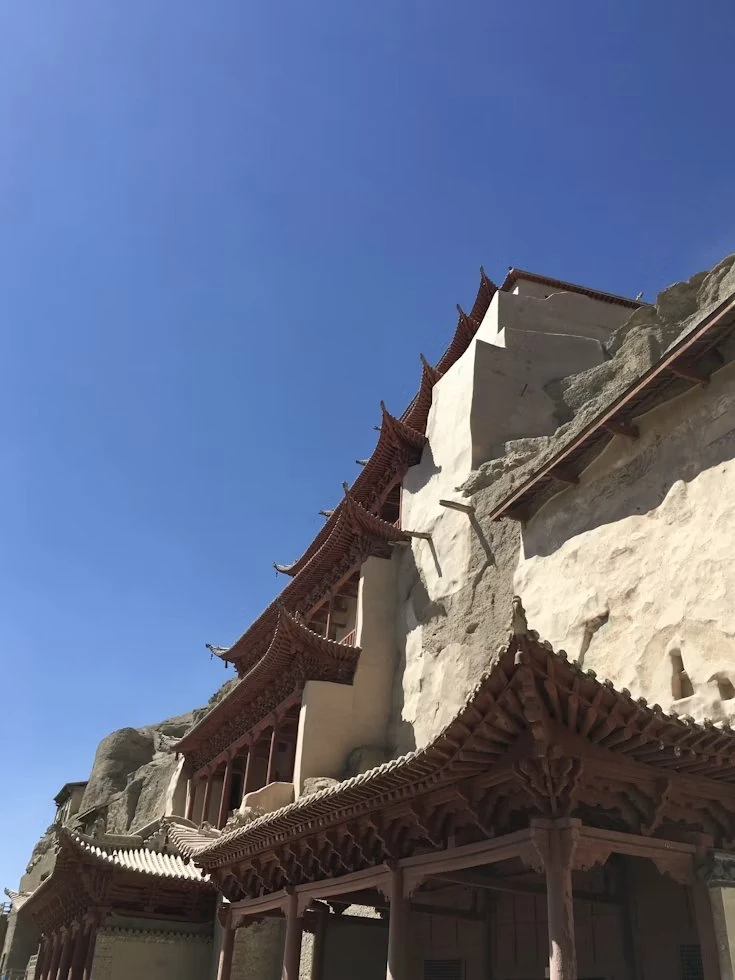
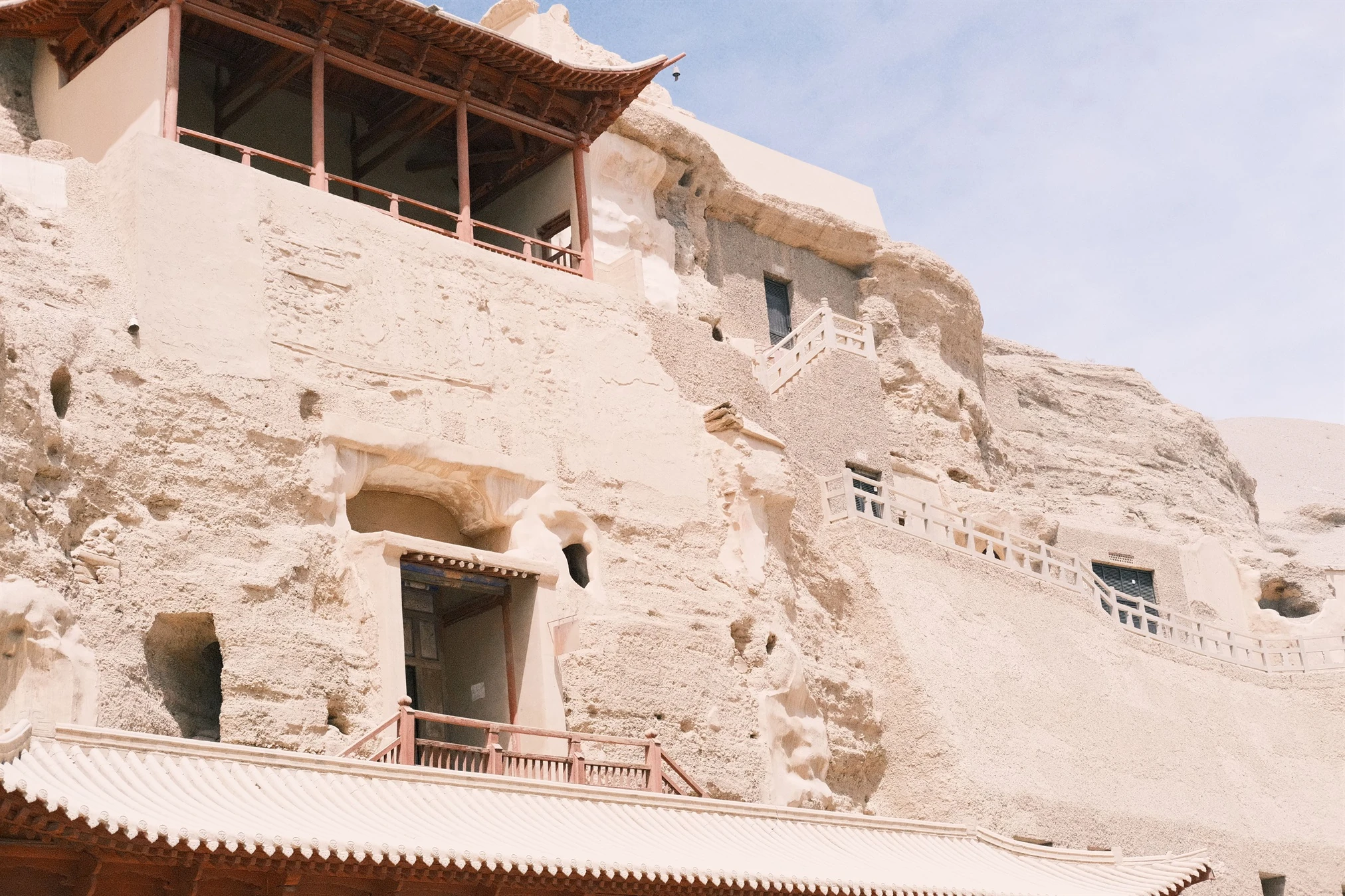
Official full name Mogao Grottoes (Thousand Buddha Caves), UNESCO World Heritage Site certified back in 1987
Workers carved total seven hundred thirty-five caves into Mingsha Mountain soft sandstone cliffs between 366 AD and 1368 AD, covering ten full Chinese dynasties
Inside grottoes sit 2,415 clay statues plus 45,000 m² hand-painted murals, securing its title as globe's most concentrated storage of ancient Buddhist art
Taoist monk Wang Yuanlu accidentally uncovered Library Cave (Cave 17) in 1900, revealing over fifty thousand ancient scrolls and manuscripts dated fourth to eleventh centuries
These irreplaceable texts split across twelve global museums, British Library London and France's National Library hold largest single artifact collections
Caves 16 and 17 included with every standard tour ticket, cameras strictly banned inside all grottoes with zero exceptions even if flash fully turned off
Ancient mineral mural paints (cinnabar for red, Afghan lapis lazuli for deep blue, malachite for green plus real gold leaf) degrade instantly under camera sensor light, park staff hand out steep penalties to photo rule breakers
Two separate tourist ticket tiers available
Type A regular pass: ¥238 (
$33), includes pre-visit documentary screening at Digital Exhibition Centre, shuttle bus ride to cliffside caves and ninety-minute guided tour through eight open grottoes
Book minimum two weeks early during peak travel seasons, tickets sell out extremely fast leaving last-minute visitors stuck with basic emergency ticket
Cheaper Type B emergency pass: ¥100 ($14), only unlock four caves and skip all introductory documentary films
Most frequent visitors say cutting corners for cheap ticket isn't worth small money saved, you miss most site's top artwork
At main entrance, staff stick opaque black stickers over every phone camera lens, double-check all visitor devices on way out of cave zone
Violators face fines starting at ¥5,000 ($694), plus permanent confiscation of all camera equipment with zero appeal chances
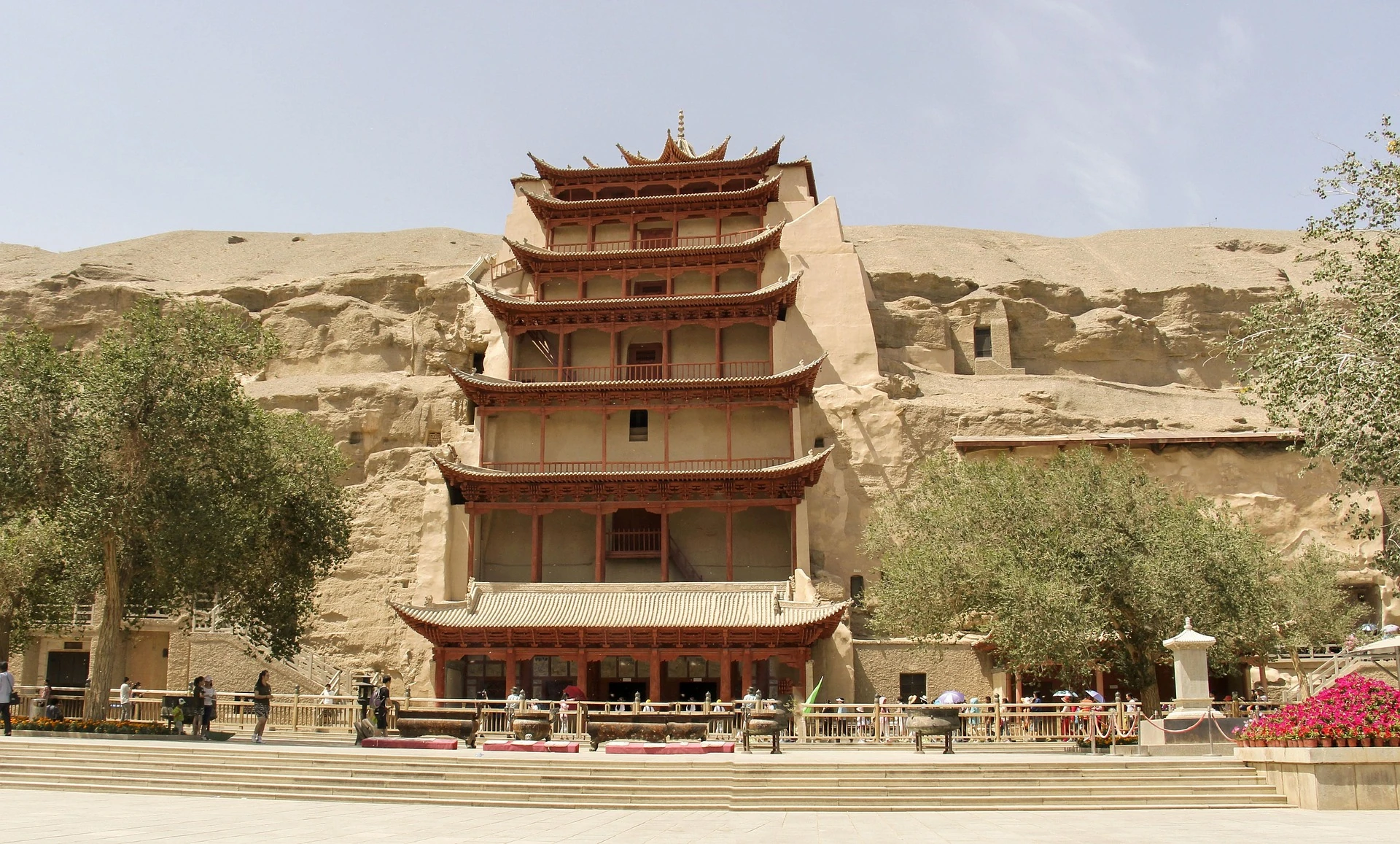
Cave 96 (Nine-Storey Building) holds iconic 35.5m Maitreya Buddha statue printed on every Mogao souvenir postcard
Wooden outer pavilion fully rebuilt in 1935, core clay giant Buddha sculpture dates back to 695 AD Tang Dynasty with minor touch-up paint finished 1987
Dunhuang acted as critical crossroads for three separate Silk Road branches, archaeologists found eleven distinct languages carved and written on cave walls: Chinese, Tibetan, Uyghur, Sogdian, Khotanese, Sanskrit, Tangut, Old Uyghur, Mongolian, Tocharian and Hebrew
To cut carbon dioxide damage from tourist breath harming fragile murals, eight publicly open caves rotate monthly, monitored nonstop by over five hundred real-time environmental sensors
Download official WeChat Mini Program 'Dunhuang Research Institute' one day before trip to check exact grottoes you'll visit
Reading up on their art history beforehand makes rushed guided tour far more rewarding, many guides skip key historical context to stay on tight schedule
Mingsha Mountain only two km away from cave complex, brutal heavy sandstorms hit every mid-April cutting visibility down to just ten metres
If air quality turns unlivable due to storms, scenic spot offers full refunds for all outdoor ticket portions, a handy backup plan barely any travelers know unless they ask staff directly
Dunhuang food scene mixes Han, Hui, Uyghur, Dongxiang and Tibetan cooking flavors, natural cultural blend formed by its Hexi Corridor Silk Road location
Local hand-pulled beef noodles draw crowds citywide, similar style to Lanzhou noodles yet far chewier due to mineral-rich local spring water used in dough making
Six thickness choices available from ultra-thin maoxi noodles to wide jiuye ribbon noodles, each bowl topped with radish slices, chili oil and fresh coriander ¥12–18 ($1.7–$2.5)
Stall #22 on Dunhuang Food Street named Old Dunhuang Beef Noodles run by same family forty years, local favourite spot though foreign tourists note zero English menu translations
Shazhou Night Market sells cumin lamb skewers made with fat-tailed sheep raised in southern Xinjiang for just ¥5 (
$0.7) each
Giant one-metre long single skewer costs ¥40 ($5.6), filling one person up fully alone
Lamb shaomai count as classic local breakfast staple, eight pieces for ¥25 (
$3.5), stuffed with minced lamb and onion under pleated open tops
Hui bakers operate clay tandoor ovens to bake lamb-and-onion stuffed buns ¥4 ($0.6) each with two-piece minimum order
Their baking smoke drifts across old town by 6:30 every morning, waking early visitors staying in nearby hostels
Dunhuang donkey-meat yellow noodles act as region's signature iconic dish
Chefs slow-braise tender donkey meat with twelve herbal spices over six full hours, paired with hand-stretched egg-yellow noodles for ¥48 (
$6.7) at Daqin Dunhuang Restaurant on Yangguan Middle Road
Back in ancient Silk Road times, donkey meat served as primary protein for desert traders since donkeys endured long arid journeys without energy loss
Street desserts cool you down under brutal desert heat
Xingpishui (apricot peel iced tea): only ¥3 ($0.4) per cup, tart vitamin-packed drink locals nickname 'Dunhuang Gatorade' to beat heat exhaustion fast
Sliced Guazhou honeydew melon: ¥5 (
$0.7) for five thick pieces
Uyghur yoghurt ceramic bowls topped with honey, raisins and walnuts: ¥15 ($2) every night market stall
Drink picks
Mogao Winery Luminous Cup Cabernet Sauvignon from Yangguan vineyards outside town, ¥120 (
$17) per bottle, inspired by classic Tang Dynasty poetry about moonlit grape wine
Local barley baijiu Tianshan Xue hits strong fifty-two percent ABV, sold ¥50 ($7) per five hundred ml bottle, extremely potent so take tiny slow sips only
Daily food budget roughly ¥80–160 ($11–$22) per person
Halal dining options line every main street, pork-free restaurants sit within two hundred metre radius of Mosque Street, Muslim visitors won't struggle to find compliant meals anywhere in town
One minor complaint shared by Muslim travelers: many small street stalls carry no clear halal signage, you have to ask vendors every time before ordering
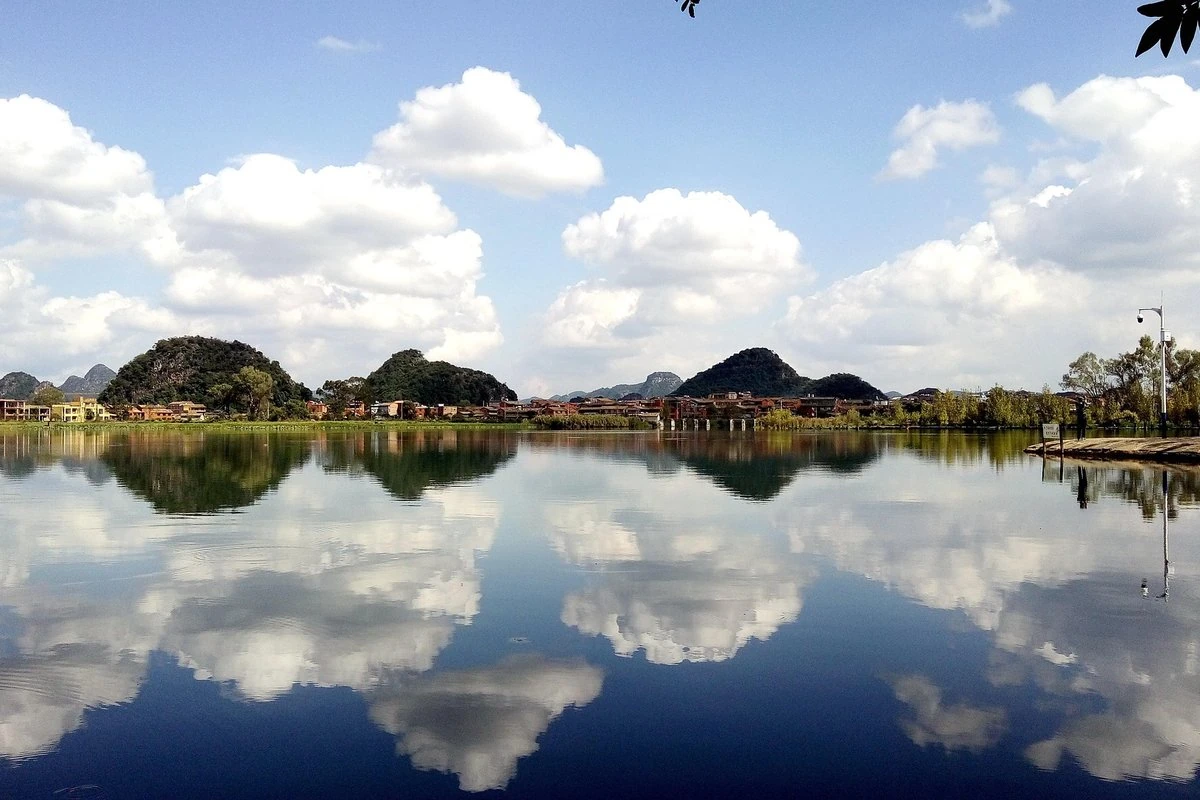
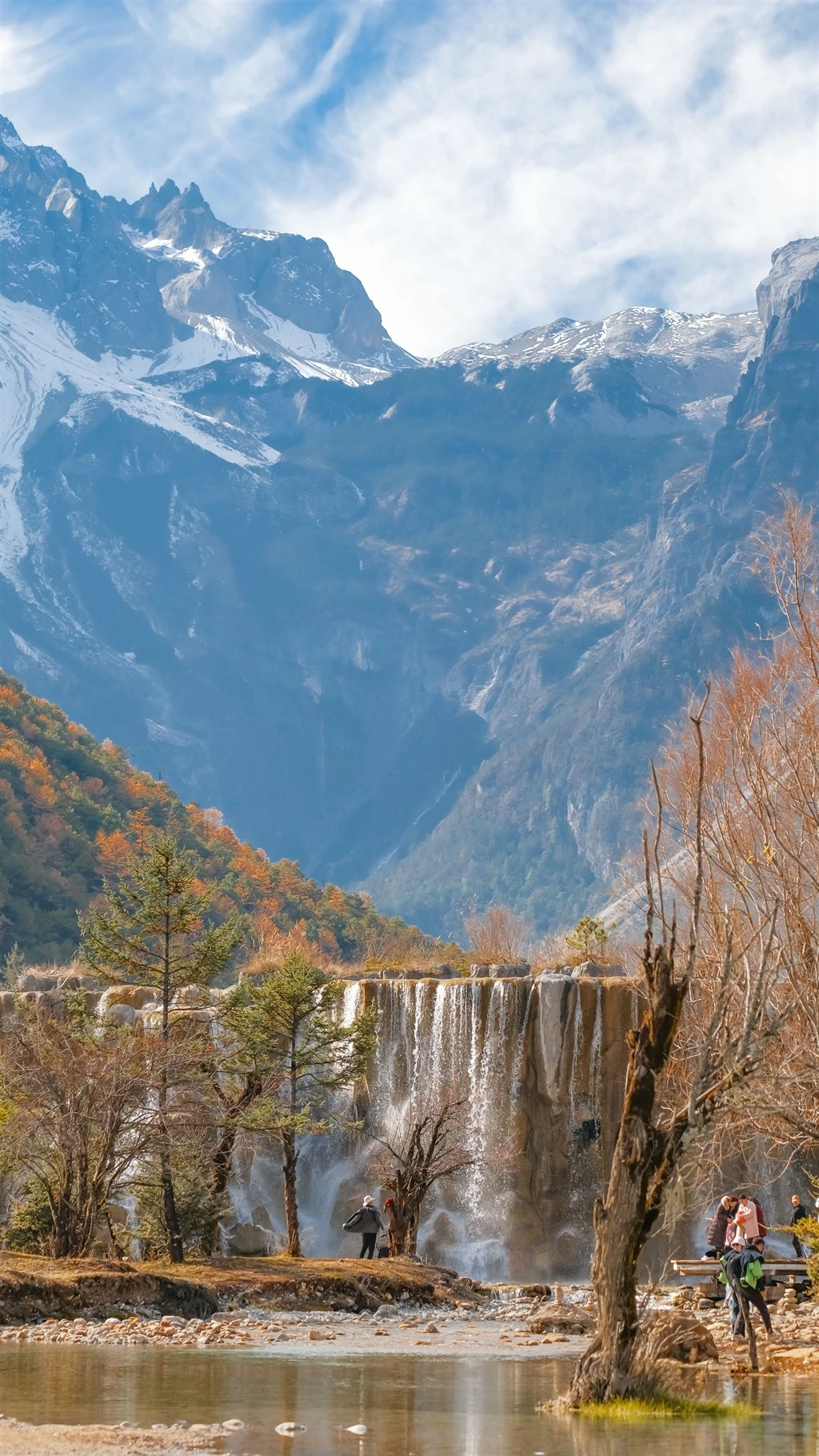
The "Last Shangri-La" with three holy peaks and emerald alpine lakes.
View Details