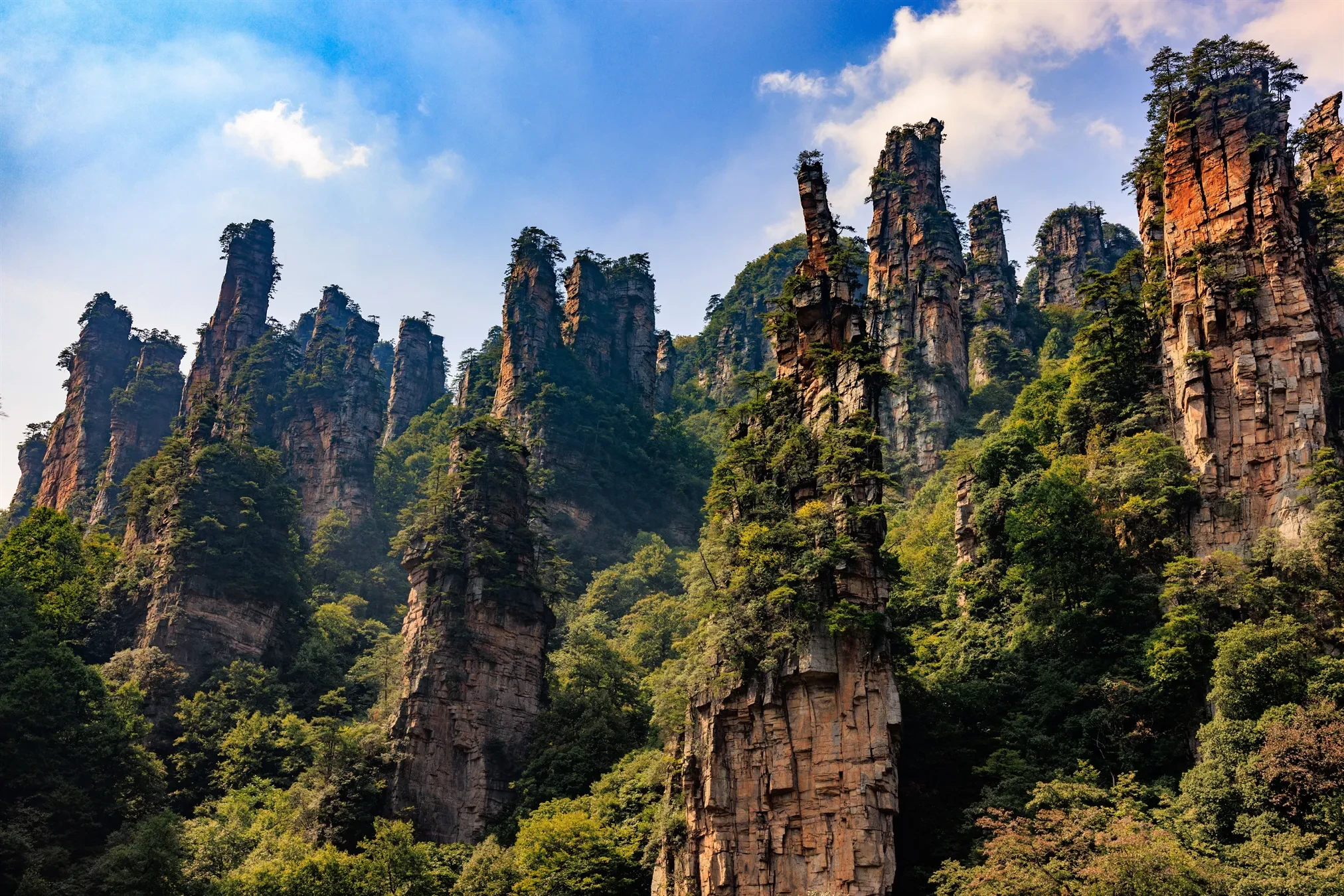
Route Overview
A 3-day immersion in China's most complete ancient city. Explore Ming-Qing architecture, Shanxi merchant heritage, and traditional crafts. Walk the 6km (3.7 mi) ancient wall, visit China's first bank, and experience living history in courtyard hotels.
Why Choose This Route
- Ancient City Wall (6km (3.7 mi) circuit)
- Rishengchang First Bank of China
- County Government Office
- City Tower
- Shuanglin Temple (2,000 colored sculptures)
- Zhenguo Temple (1,000-year wooden structure)
- Once Again Pingyao Immersive Performance
Detailed Description

Pingyao Ancient City holds China’s best-preserved intact Han town, locked solid in Ming Dynasty atmosphere. It earned UNESCO World Heritage Site status back in 1997. Wander its narrow winding alleyways, and you’ll genuinely feel like stepping backward six full centuries into old imperial China—this immersive historical vibe’s why countless overseas travelers rank Pingyao above busier ancient towns like Xi’an.
You can hike the full six-kilometer city wall lined with three thousand crenellations and seventy-two watchtowers. Local folk tales tie those exact numbers to Confucius’ disciples and wise scholars, a fun cultural detail most foreign tourists only pick up halfway up rough uneven stone steps. I made a rookie mistake last trip packing thin slip-on trainers; my ankles ached nonstop for three full days after looping the whole wall circuit. Do yourself a favor and grab sturdy supportive walking shoes, no exceptions.
Don’t skip Rishengchang either—China’s very first native bank, built when Shanxi merchants built a massive nationwide financial empire centuries ago. Swing by the county yamen too; live reenactments of Qing Dynasty courtroom trials run all day long. Crowds pile thick around noon showtimes, arrive late and you’ll struggle to see or hear every plot beat clearly, per complaints from multiple UK travel bloggers online. Book a courtyard inn for overnight stays—these restored merchant mansions deliver totally unique accommodation you can’t replicate anywhere else. Quick honest heads-up though: almost none have proper soundproofing, thin wooden walls let street chatter drift straight into your room long after lanterns light up at sunset.
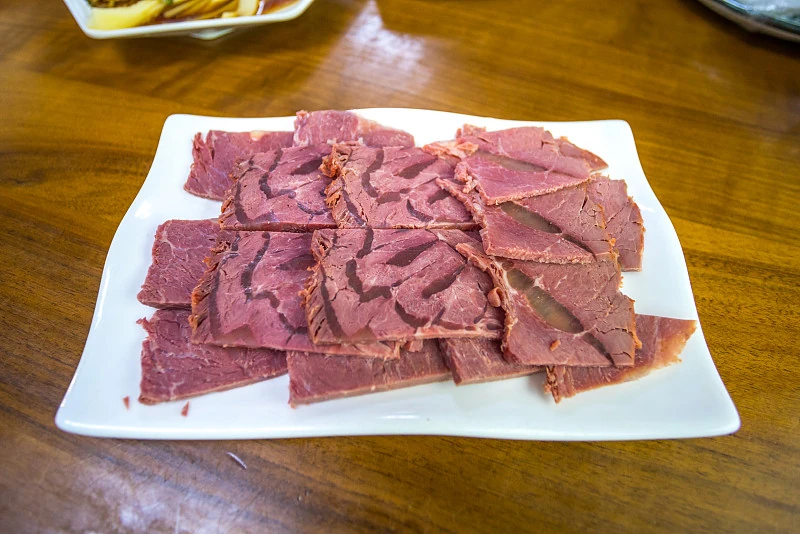
Make sure to taste authentic Pingyao beef while you’re in town. Don’t overlook tuiguang lacquer trinkets street vendors sell on every corner as tiny travel souvenirs. Once night falls, the whole walled old town glows soft warm light beneath paper lanterns. Random alley corners host shadow puppet shows after dark; sudden wind gusts sometimes blow lantern smoke straight into your face. It’s messy and a little chaotic, yet utterly magical all the same—one American content creator named this shadow puppet night scene in her top 5 China travel memories.
Key Sites
Pingyao Ancient City
Shuanglin Temple
Zhenguo Temple
Destinations
Detailed Itinerary
Loose Three-Day Itinerary
Day 1 Roam Ancient City Walls & Downtown Streets
Most visitors enter through the South Gate, one of four fully intact original ancient gateways. Head straight for the city wall first thing, don’t delay this core highlight. A full six-kilometer circuit takes one to two hours tops, uneven stone staircases scattered everywhere—sturdy closed-toe walking shoes aren’t optional here, as I stressed earlier. Pause at scattered overlook ledges to gaze out over endless grey tiled rooftops covering the entire ancient walled settlement; sunset shots from the wall turn stunning every time.
After wrapping up the wall walk, visit the Confucian Temple, built back in 1163—one of China’s oldest surviving temples dedicated to Confucius. Weathered stone steles fill every courtyard, midday sunlight filtering through aged wooden beams creates unbeatable photo backdrops.
Spend your afternoon wandering the County Government Office grounds. Costumed performers stage nonstop reenactments of old Qing court trials, incredibly immersive for history fanatics. Crowds crush close to the stage during peak hours, linger too far back and your sightlines vanish fast.
As dusk rolls in, wander Ming-Qing Street—the main thoroughfare draped in endless rows of glowing red lanterns. Tiny shops line both sides, vendors calling out nonstop selling local black vinegar, hand-carved lacquerware, cured Pingyao beef. Grab dinner at a tiny family-run courtyard restaurant, serving slow-braised Pingyao beef paired with wood-fired flatbread; simple classic Shanxi flavors you’ll never recreate back overseas. Crash overnight inside the walled town at a traditional courtyard guesthouse.
Day 2 Dig Into Shanxi Merchant Banking History & Ancient Buddhist Sculptures
Kick off your morning at Rishengchang Draft Bank, founded in 1823 and widely recognized as the birthplace of China’s traditional banking system. Wander untouched original secure underground vaults, ancient accounting halls, hidden tunnel networks built centuries ago to safeguard merchant fortunes. Local tour guides break down exactly how Shanxi traders built a countrywide finance network relying only on handwritten remittance slips and secret trust codes—endlessly fascinating for anyone curious about early cross-regional trade, per dozens of history-focused foreign visitors.
Wander City God Temple around midday, then catch a ride outside city limits to Shuanglin Monastery, roughly six kilometers from the ancient town center. This UNESCO-listed temple houses over two thousand painted clay statues carved during Song and Yuan dynasties; bright polychrome Buddhist figures rank among China’s finest surviving ancient sculptural relics. Public buses get unbearably cramped over holiday travel weeks; taxis cost a small extra fee yet let you skip all chaotic packed transit crowds entirely.
Spend your evening catching local Jin Opera at a neighborhood theatre—sharp high vocal tones mixed with fast-paced martial acrobatics make regional art totally unfamiliar to most overseas tourists. If you still have leftover energy, join casual calligraphy workshops hosted at a local scholar’s private home; art supplies get fully provided, ink stains cling stubbornly to fabric so toss an old jacket in your bag if you sign up. Stay another night at the walled-city courtyard guesthouse.
Day 3 Explore Wang Family Manor Then Depart
Leave extra early for the thirty-five-kilometer drive out to Wang Family Compound, a sprawling residential complex spanning 150,000 square meters, built piece by piece by the Wang merchant clan over three hundred years. The compound holds 123 separate courtyards and 1,118 rooms, its overall layout shaped to mirror the Chinese character 'Wang'. Climb the Red Gate Fort tower for wide overhead panoramic views; locals nickname this spot the Folk Forbidden City, and it fully lives up to that moniker. Walking through every single courtyard demands hours of steady hiking, barely any shaded rest spots spread across the grounds—bring extra cold bottled water to avoid dehydration.
On your drive back toward Pingyao, take a quick small detour to Zhangbi Ancient Castle, a 1,400-year-old Sui-dynasty fortress crisscrossed with three kilometers of underground tunnel networks. Hidden storage chambers, defensive trap mechanisms, narrow low air ventilation shafts stretch beneath the earth; some tunnel stretches sit extremely short overhead, taller visitors have to hunch nonstop the whole time underground, a minor annoyance many tall European travelers mentioned.
Circle back to Pingyao by evening for one final farewell feast loaded with all local signature specialties. From here you can catch a direct train from Pingyao Station, or ride ninety minutes by car over to Taiyuan Airport for outbound flights home.
Immersive Experience
Beyond walking Pingyao’s old streets, join local heritage craftsmen for a complete polished lacquerware experience. The steps are simple for every beginner. You start with a smooth wooden blank and clean its surface thoroughly. Then you apply layers of natural plant lacquer evenly and let each coat dry naturally. The most special step is hand polishing. You rub the lacquer surface repeatedly with your bare palms. After hundreds of gentle strokes, the dull surface becomes smooth, glossy, and mirror-bright. Finally, you can add simple hand-painted patterns. There are no machine-made processes—every shine comes from pure handmade patience. International travelers can truly feel the delicacy of traditional Chinese craftsmanship. You will discover Pingyao’s ancient artistic heritage beyond its business history and own a classic vintage lacquer piece you polished yourself.
What's Included & Excluded
Included
- Ancient city pass (22 attractions, 3-day validity)
- Traditional courtyard accommodation (2 nights)
- Daily breakfast
- Expert heritage guide
- Shuanglin and Zhenguo Temple tickets
- Evening lantern-lit street walk
Excluded
- Flights/trains to Pingyao
- Once Again Pingyao performance tickets (recommended, $80-120)
- Meals other than breakfast
- Personal purchases (lacquerware, souvenirs)
- Tips for guides
What to Bring
- Comfortable walking shoes (city wall circuit is 6km (3.7 mi))
- Camera for ancient architecture and night photography
- Light jacket for evening walks
- Cash for local snacks and craft purchases
- Power bank for extended photography sessions
- Walking stick (optional, for city wall climb)
Gallery

Accommodation
All lodging throughout these three days are fully restored Ming-Qing merchant residences converted into cozy courtyard inns, this setup stays consistent every night. Fair soundproofing heads-up: thin timber walls carry all street noise late into the evening. Winter bookings offer heated brick kang-beds, fitted with electric blankets and hot-water bottles to fight freezing Shanxi mountain temperatures.
Guesthouse breakfast comes fully included daily; lunch gets pre-arranged near the Wang Family Compound site on day three, evening meals stay fully flexible—you pick your own dining spots matching your schedule and taste preferences for all other nights.
Cultural Notes
Pingyao functioned as a core Han Chinese financial hub throughout the Qing Dynasty; the Rishengchang draft bank invented China’s first paper remittance system all the way back in 1823. Dress modestly when stepping into courtyard homes still occupied by permanent local residents; always ask clear permission before photographing villagers standing in doorways.
The County Government Office runs mock Qing court performances at 10:00 and 15:00 daily. Front-row audience members occasionally get picked to act as 'defendants' in the show—it’s always purely staged, never offensive or mocking, great lighthearted fun.
When walking the city walls, follow the clockwise direction, a traditional auspicious custom locals still respect. If you want clean unobstructed sunset photos, avoid climbing the battlements near golden hour—huge crowds swarm the South Gate for evening light shots.
Do NOT purchase labeled 'ancient coins' from street vendors. Every single one’s a modern replica, and if genuine antique coins somehow fell into your hands, exporting them out of China violates cultural relic laws.
Local Food & Drink
Shanxi regional cuisine centers heavily on wheat dishes, surprisingly budget-friendly for international travelers.
Pingyao beef’s the town’s unmissable signature: slow braised, pressed firm, sliced paper-thin. Skip loose street stall packs; buy vacuum-sealed preserved beef from supermarkets if you want souvenirs home without spoilage.
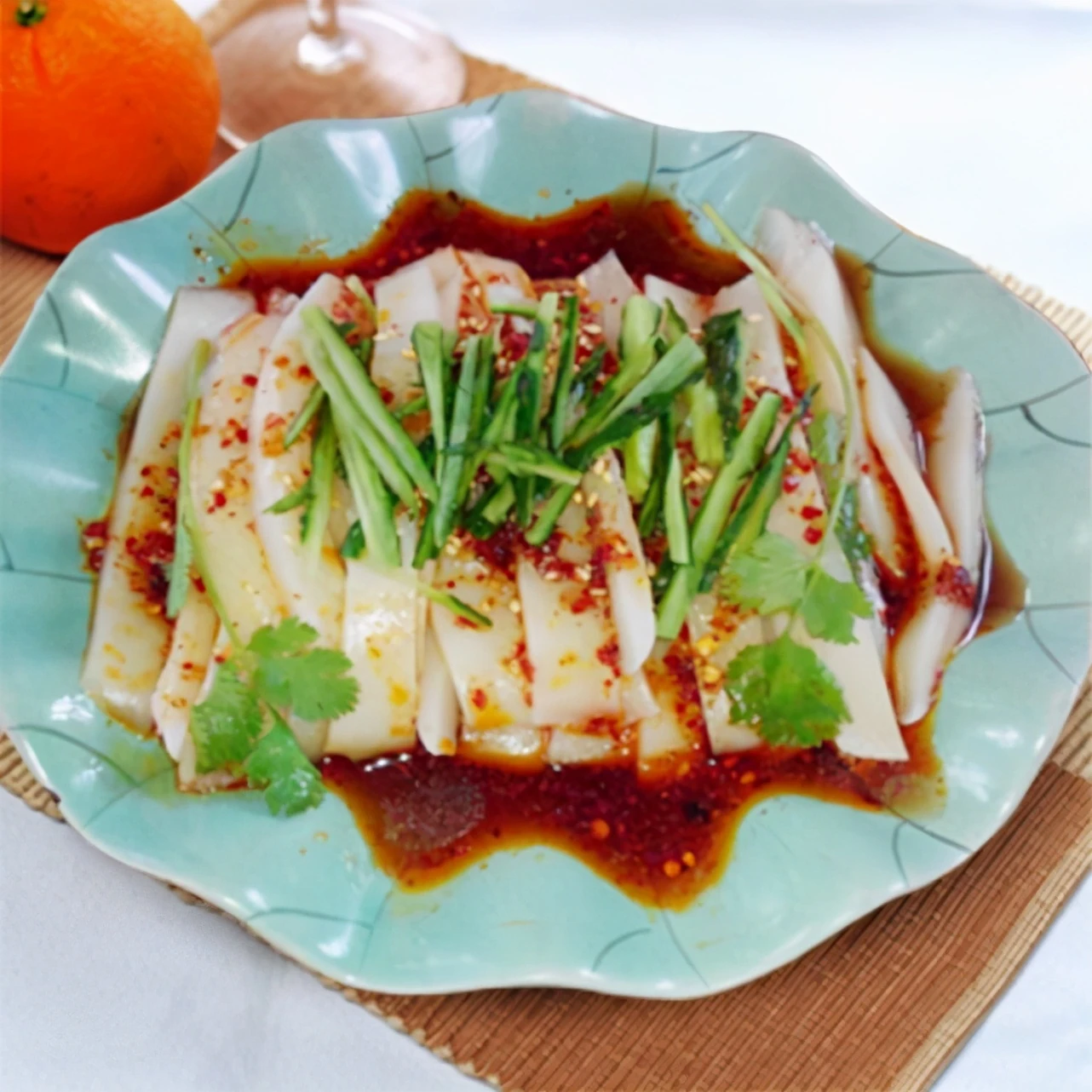
Wantu noodles: cold buckwheat noodles tossed with chili oil and minced garlic, classic cheap summer lunch running roughly ¥12–18 ($1.7–$2.6) per bowl.
Guanyun brand cooked dumplings and hand-pulled dao xiao mian from tiny hole-in-the-wall shops near the North Gate draw long midday queues every summer.
Warm Huanggui rice wine served in tiny ceramic cups pairs perfectly with beef appetizers at courtyard inns, around ¥30 (
$4.3) for a half-litre pitcher.
Astragalus herbal tea gets offered complimentary after most shadow-puppet performances, a soothing warm drink for cool evenings.
Budget roughly ¥80–¥150 ($11.4–$21.4) per person daily for casual street and local restaurant meals; add an extra 50% to that cost for sit-down courtyard restaurants with full traditional atmosphere and table service.
Budget Reference
Disclaimer: Prices above are estimates only for informational purposes. Hidden China does not directly sell or book travel packages. Final pricing depends on travel season, exact itinerary length, room category, private vs shared transport, and operator availability. We recommend contacting at least 2–3 local licensed operators to compare tailored quotes before booking.