Daocheng Yading Nature Reserve
The "Last Shangri-La" with three holy peaks and emerald alpine lakes.
View DetailsJiuzhaigou County, Sichuan Province
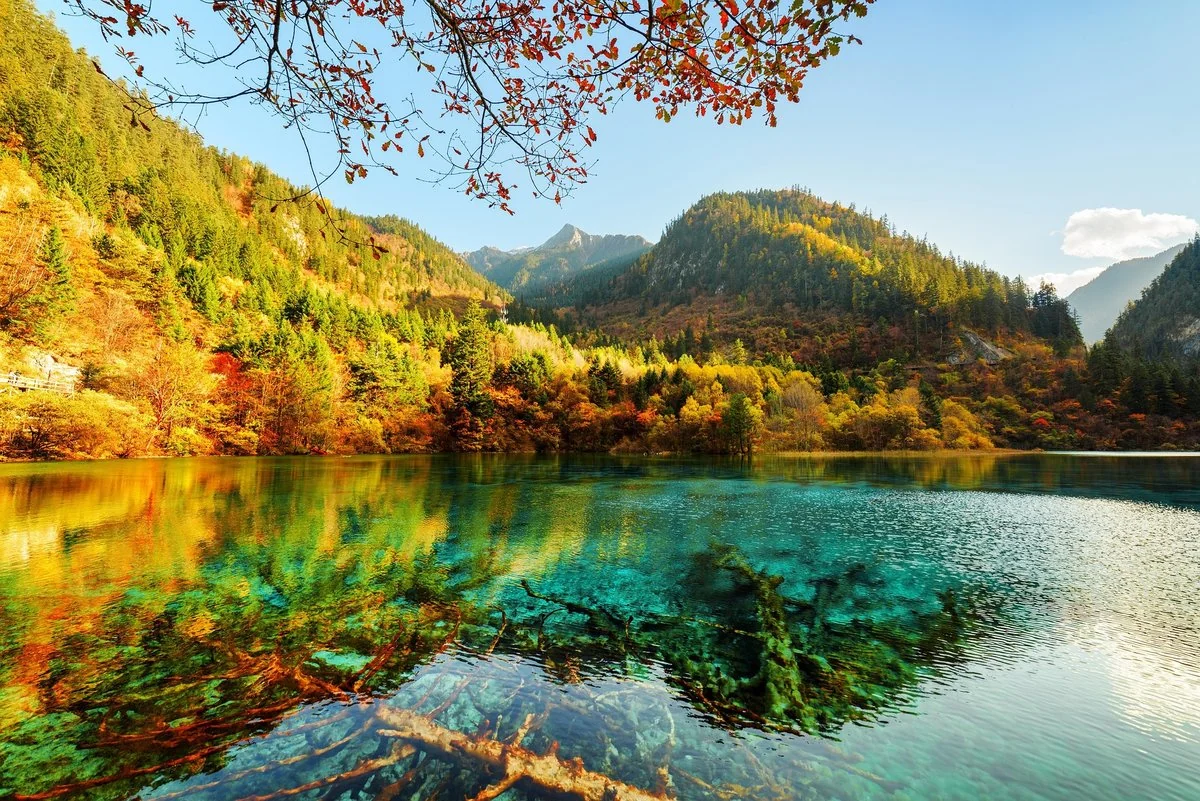
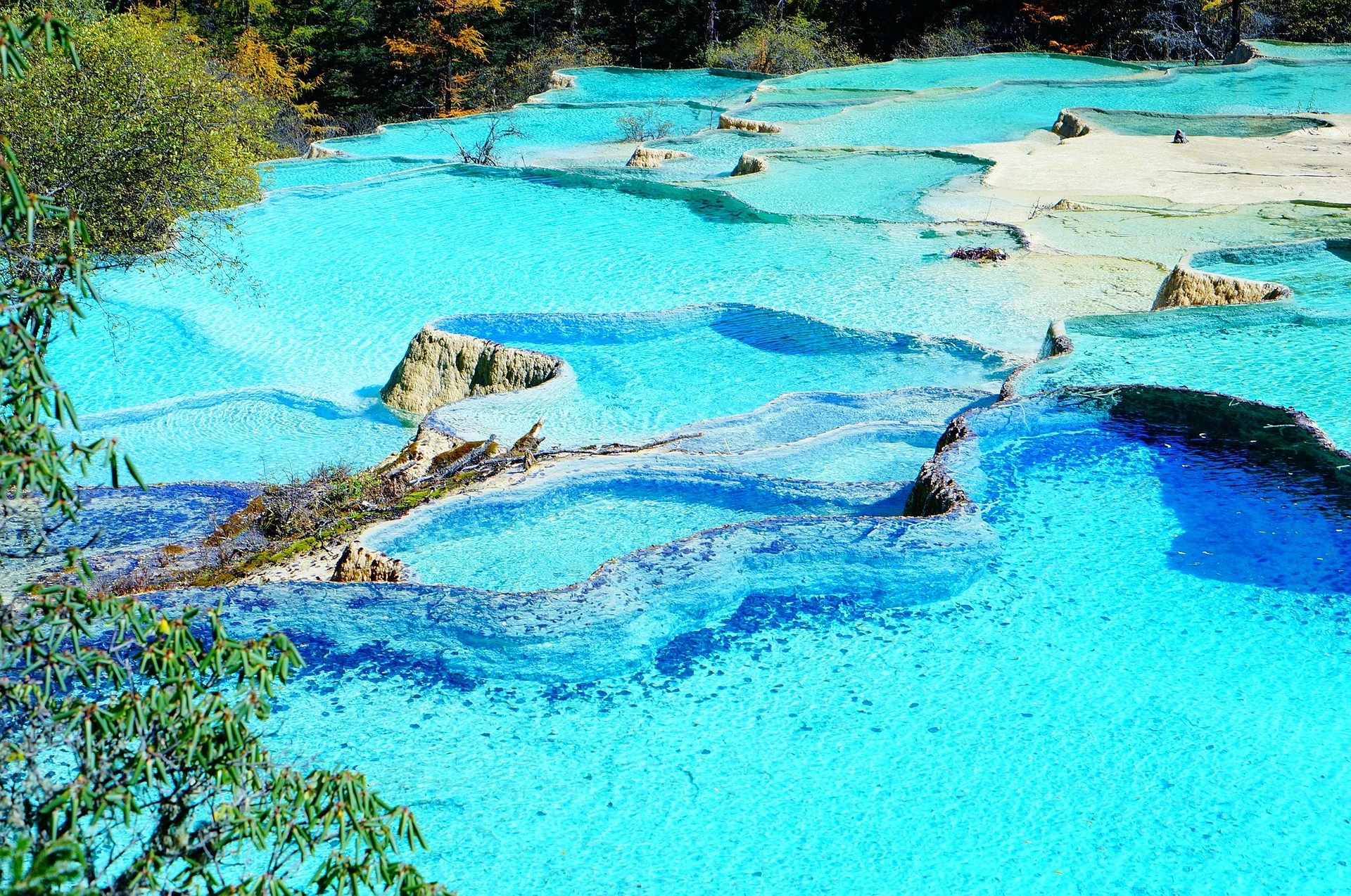
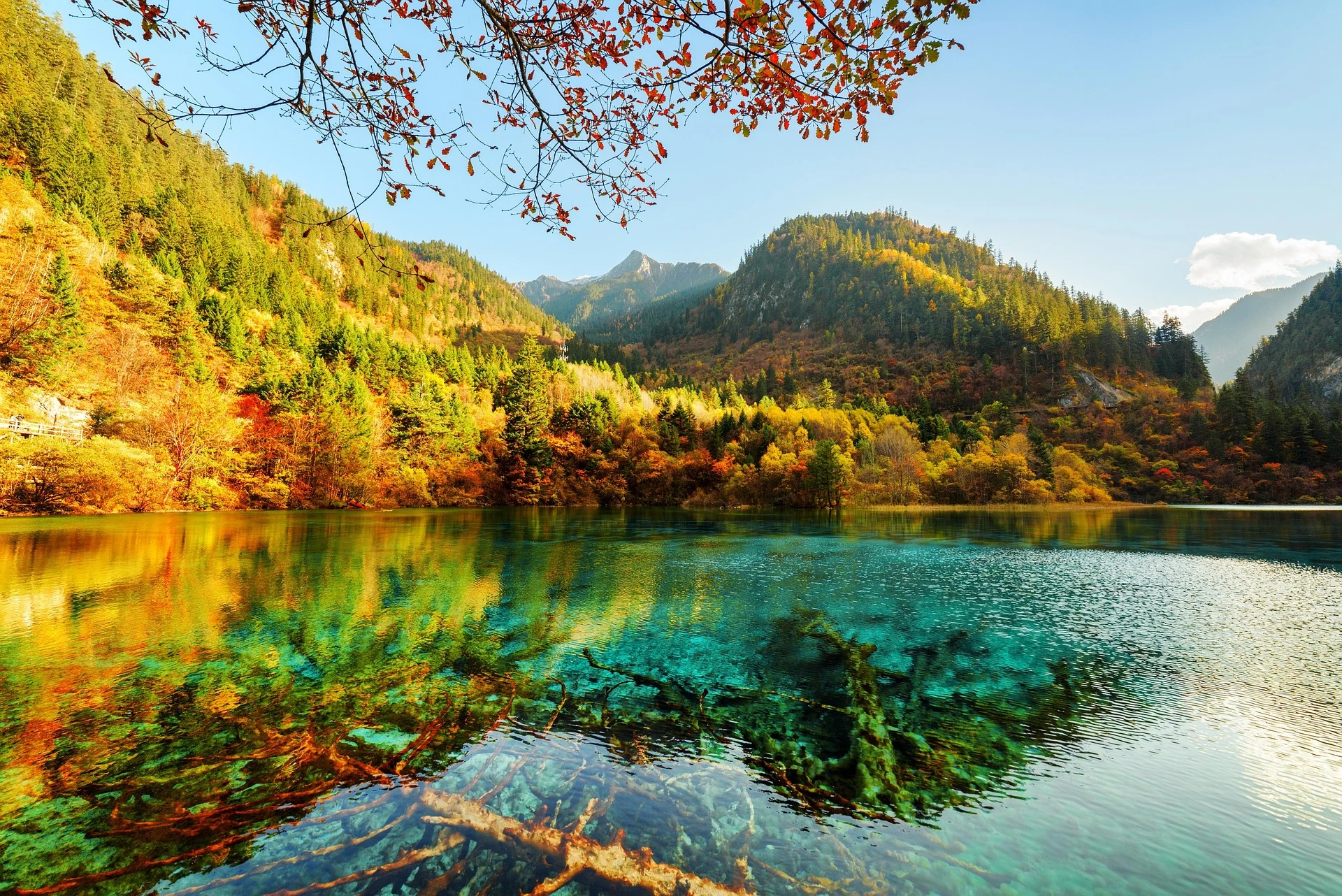
Jiuzhaigou Valley's UNESCO World Heritage protected grounds famous globally for unreal neon turquoise and emerald glacial lakes, multi-tiered thundering waterfalls plus snow-capped mountain peaks stretching over fifty kilometres through Min Mountains range
Every autumn surrounding forests burst into blazing gold and deep crimson foliage, landscape photographers fly in from every continent on planet to capture fall colour shots
Natural mineral deposits and tiny native algae tint valley lake waters vivid neon shades shifting colour constantly under sunlight, creating surreal optical colour effects unseen anywhere else on Earth
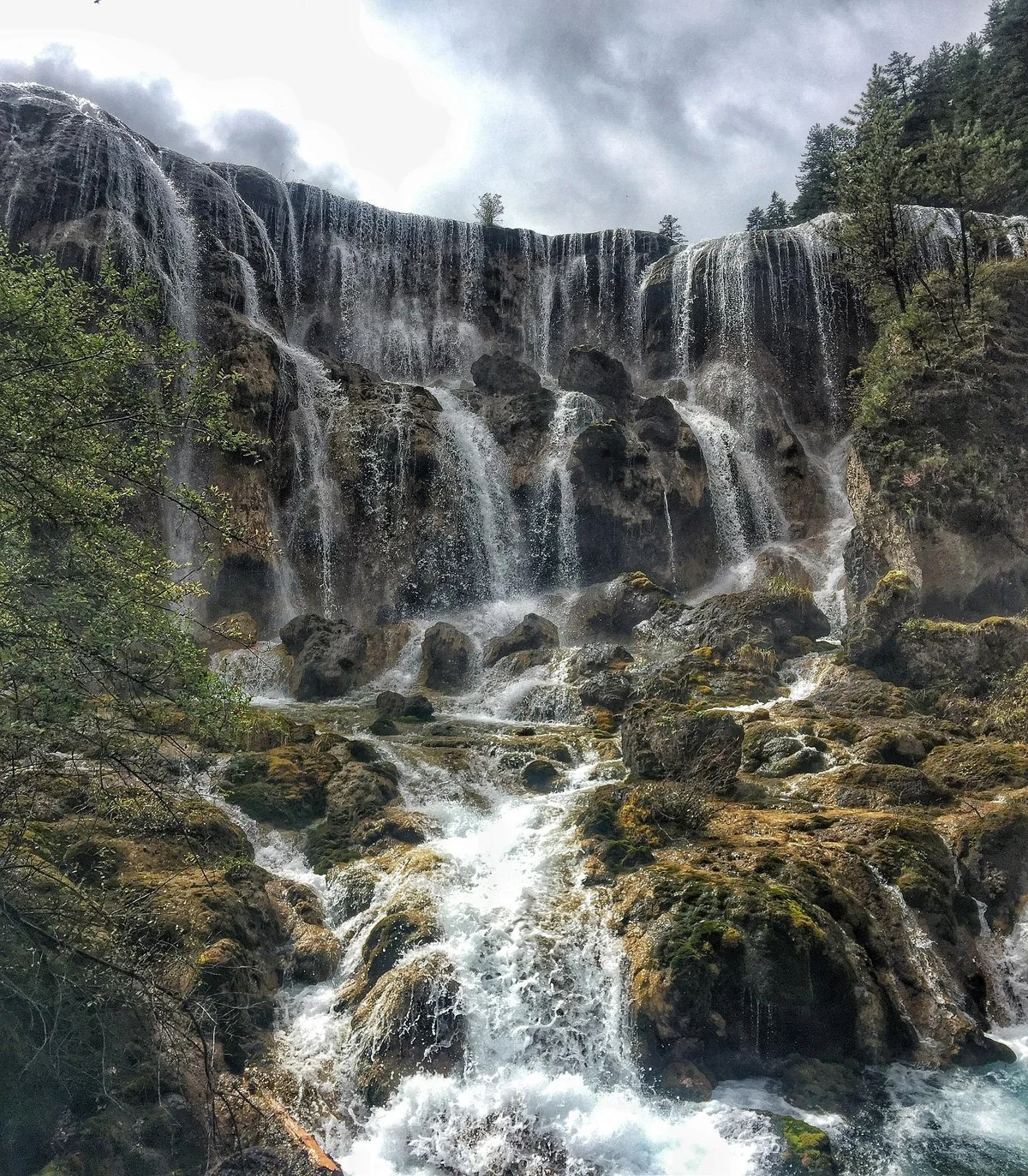
Top unmissable highlights include Five-Color Pond, Long Lake, Pearl Shoal Waterfall and Nuorilang Waterfall, China's widest waterfall at full three hundred twenty metres across
Well-maintained wooden boardwalks and frequent shuttle buses make navigating sprawling valley super straightforward, gentle walking trails wind through ancient primeval forests and along glassy lake shorelines everywhere you turn
Rare protected wildlife like giant pandas and Sichuan snub-nosed monkeys live deep within reserve boundaries yet actual animal sightings stay extremely rare luck for visitors
One Canadian travel blogger spent three full consecutive days hiking every major trail and never spotted single wild panda, don't set overly high wildlife-watching expectations before arriving
Most tourists only spot small birds, squirrels and wild deer along main shuttle routes
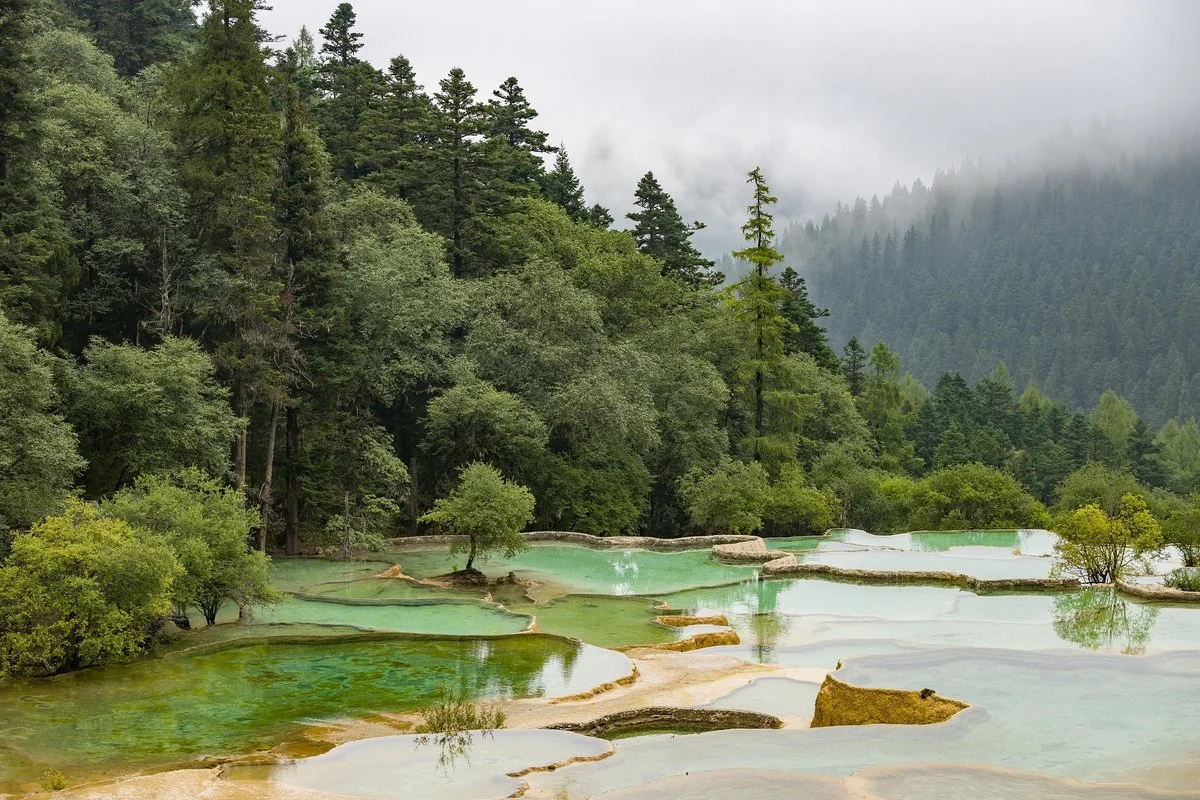
Official translated name Nine-Village Valley, Jiuzhaigou became UNESCO Biosphere Reserve back 1992, covering protected seven hundred twenty square km zone home to Tibetan and Qiang ethnic communities in northern Sichuan Min Shan Mountains
Name originates from nine historic Tibetan villages within park borders, two villages remain permanently inhabited by roughly one thousand two hundred local residents total: He Ye Village and Ze Cha Wa Village
Whole park splits into three Y-shaped separated valley shuttle routes carrying wildly different scenery
Rize Valley sits highest elevation, holds Primeval Forest at 3,101m (10,174 ft), Panda Lake and two hundred seventy metre wide Pearl Shoals Waterfall
This stretch stores all iconic postcard-perfect lake and waterfall shots every tourist comes here to photograph
Zechawa Valley features five km long Long Lake sitting at 3,060m (10,039 ft) plus stunning vividly coloured Five-Colour Pond widely regarded as most beautiful single lake in entire park
Shuzheng Valley hosts massive three hundred metre wide Nuorilang Waterfall alongside first five historic Tibetan villages inside reserve
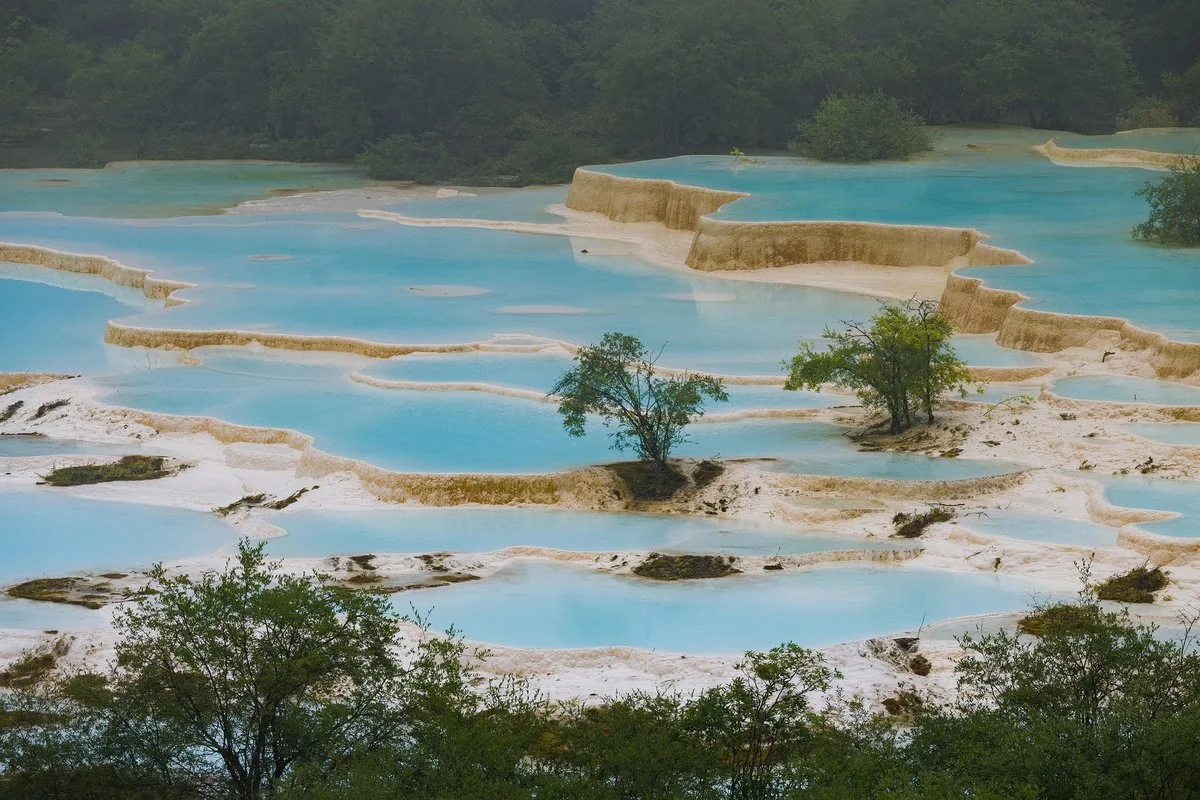
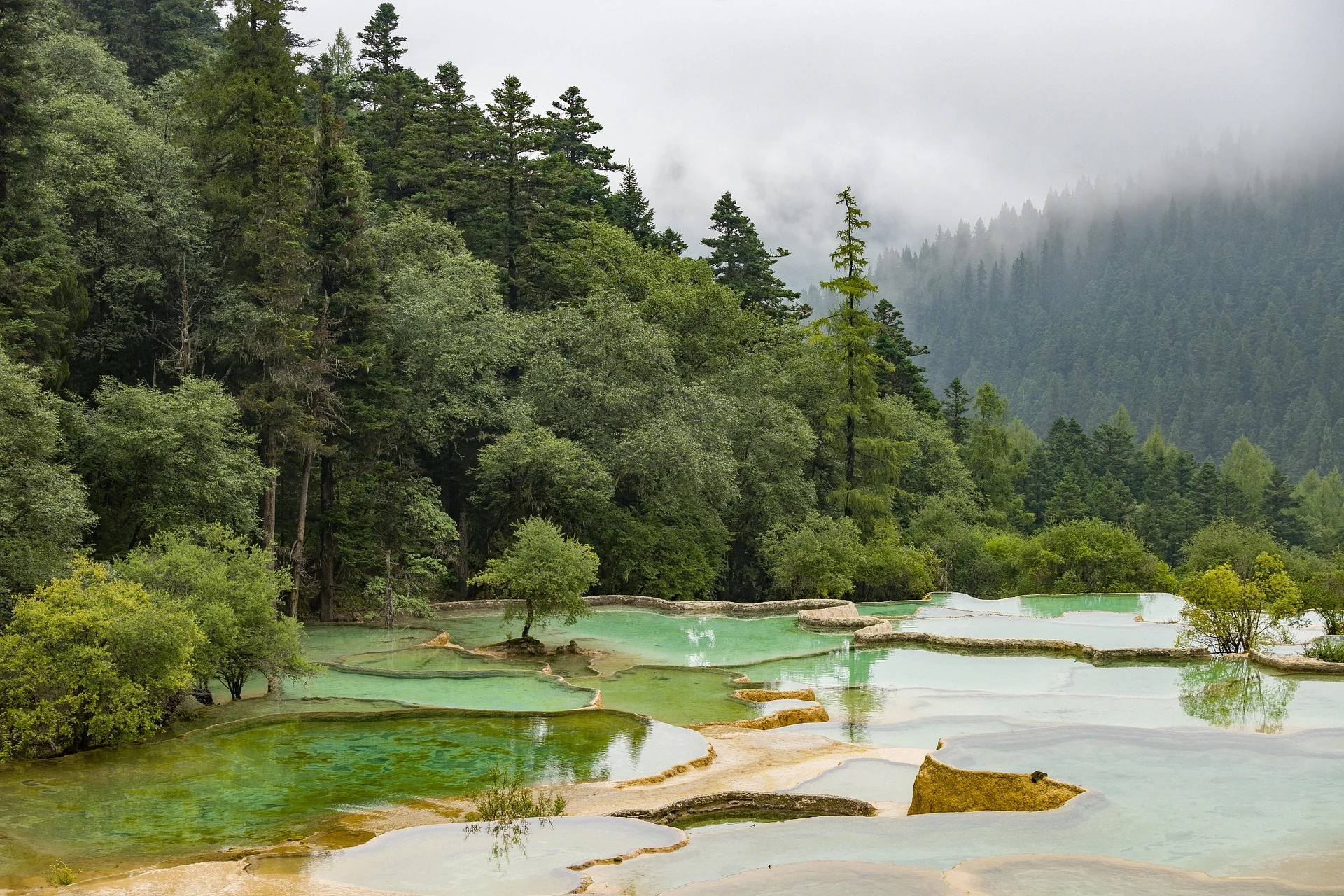
Huanglong, separate independent UNESCO World Heritage site, lies one hundred thirty km south of Jiuzhaigou
Ninety-minute drive plus thirty-minute cable car ride upward mountain
Its three thousand four hundred travertine terraced mineral pools hold deep sacred meaning for local Tibetan residents, viewed as holy birth stones of mountain god Zhaga Zhunom
Never touch fragile calcified rock layer formations, decades slow mineral buildup erode instantly under bare hands, five hundred yuan (
$69.4) on-the-spot fine handed to anyone caught damaging terraces
Altitude shifts drastically across whole mountain region
Park main entrance: 2,000m (6,562 ft)
Nuorilang Waterfall: 2,400m (7,874 ft)
Primeval Forest peak: 3,101m (10,174 ft)
Huanglong viewing platform: 3,553m (11,657 ft)
Huanglong highest hiking peak near: 3,900m (12,795 ft)
Roughly twenty-five percent all visiting tourists develop mild altitude sickness symptoms, especially older male travelers or anyone drinking heavy alcohol before arriving high elevation
Simple altitude prep locals swear by: take rhodiola herbal pills five full days before trip, or prescription Diamox starting two days prior travel
Drink three full litres plain water every single day inside park, skip all alcohol entirely your first day up mountains to avoid splitting altitude headaches ruining sightseeing plans
Tibetan mani stone piles and colourful prayer flags line every bridge crossing throughout valley
Always walk clockwise around mani stones carved with sacred 'Om Mani Padme Hum' mantra following traditional pilgrimage customs
If loose wind-blown prayer flag lands on your body, locals consider extremely lucky blessing, wind carries all sacred mantras written on fabric to anyone touched by cloth
Entry tickets cost ¥250 ($35) per person plus mandatory ¥90 ($12.6) shuttle bus fares, foot-only entry without shuttle tickets fully banned
Buses depart every two minutes between all major viewing spots cutting waiting times, yet get packed full during autumn foliage peak season
You need present passport and complete fingerprint scanning passing through entry gates, single ticket grants two full days park access covering all three valley shuttle routes without extra charge
Book tickets seven days ahead through official Jiuzhaigou WeChat Mini Program, tickets vanish within hours during autumn foliage peak weeks
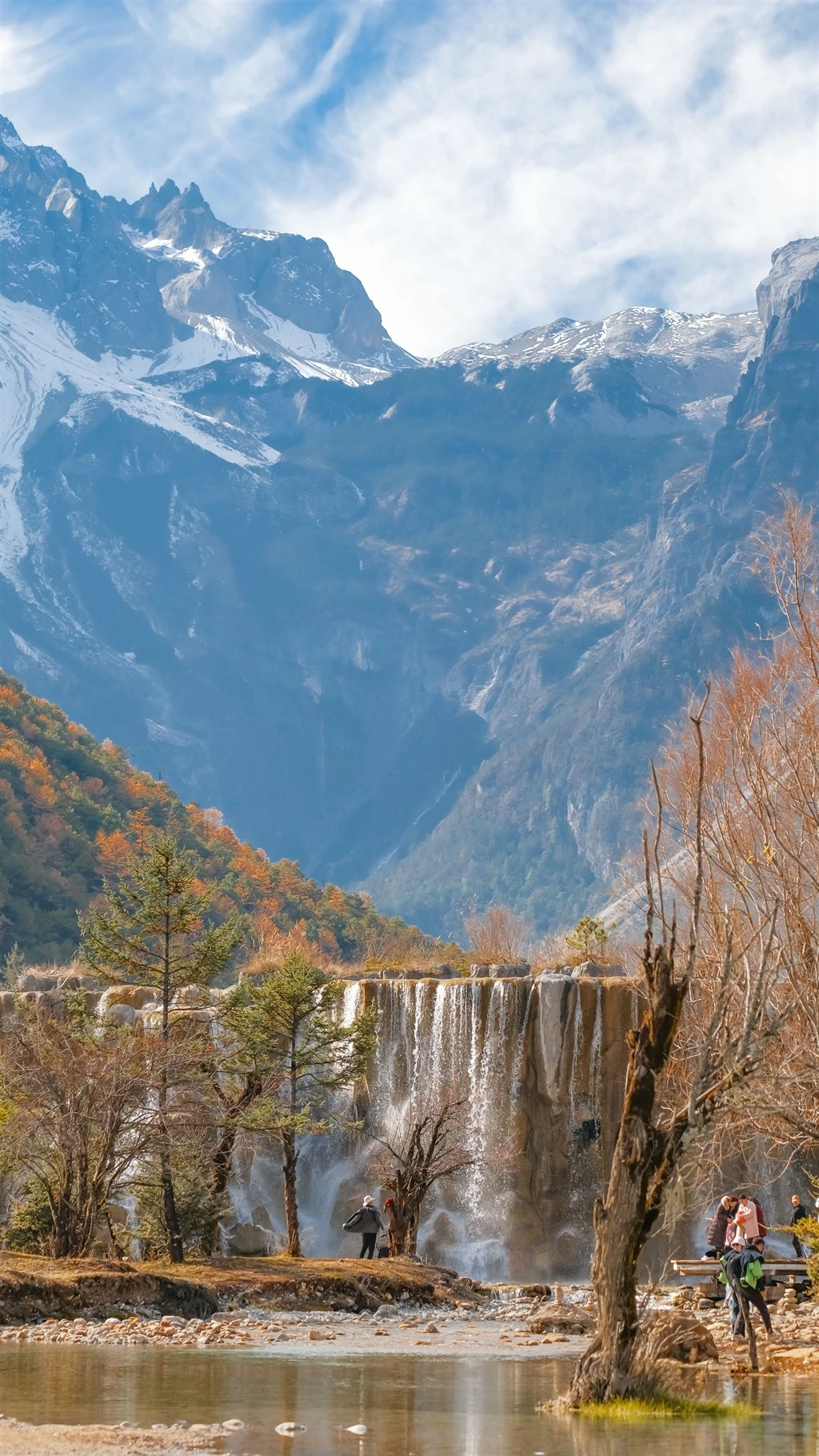
Twenty-seven point five metre tall three hundred metre wide Nuorilang Waterfall suffered partial structural collapse during year 2017 magnitude-seven point zero Jiuzhaigou earthquake
Ninety percent waterfall fully restored since then, old wooden walkways replaced with reinforced steel railings and paths for improved visitor safety
Two-hundred-year-old ancient willow tree growing at waterfall's top edge carries major spiritual weight for local Tibetan villagers
Do not walk directly under its lowest hanging branches during windy weather, falling heavy limbs create serious head injury risks for tourists below
Autumn foliage peak hits around October twentieth plus minus five days based on yearly rainfall and temperature
Year 2023 peak weekend saw forty-nine thousand visitors flood park fully exceeding official daily capacity limit forty-one thousand people, tickets sell out ten full days early during peak autumn weeks
Weekdays Tuesday and Wednesday hold far smaller visitor crowds than busy weekends, shifting travel schedule midweek drastically cuts shuttle bus waiting times and unobstructed photography spot competition
Jiuzhaigou sits directly on Longmenshan Fault, exact geological fault line behind devastating 2008 Wenchuan earthquake
Every shuttle bus and viewing platform built-in earthquake alert speakers plus automatic SMS warning messages sent straight to registered visitor mobile phones during seismic activity alerts
Keep phone location services turned on all times inside park, bright yellow evacuation route signs mark safe gathering zones every two hundred metres along all main trails
Multiple foreign tourists mentioned park staff host regular earthquake safety briefings every morning main visitor centre, most casual visitors skip without realizing local geological risks
Local meals around Jiuzhaigou mix northern Sichuan spicy cooking and traditional Tibetan plateau flavours, heavy focus on tender yak meat, numbing Sichuan peppercorn spice, wild mountain mushrooms and roasted highland barley staples
Yak hotpot ranks top dinner pick outside park main gate in Zhangzha Town only two km from scenic entrance
Lean tender yak shoulder meat simmers alongside six wild mushroom varieties and fresh highland green vegetables in spicy mala broth (you can request mild heat for chili-sensitive people)
Cost ¥150–220 ($21–$31) per person, unlimited steamed rice refills plus complimentary warm yak butter tea free with every hotpot order
Many backpackers note town restaurants serve far larger portions at half price vs tiny overpriced food stalls inside park service centres
Every Tibetan homestay located Shuzheng Village offers welcome tasting set including salty butter tea (sweet milk tea costs extra ¥15 ($2)), dry tsampa flour you roll by hand into dough balls, dried yak jerky and wild honey yoghurt for ¥60 ($8.4) per person
Negotiable down to just ¥40 (
$5.6) for groups four or more travelers sharing set together
Songpan-style hand-pulled noodles feature thick springy wheat noodles simmered in slow-cooked beef bone broth paired with tangy pickled sour cabbage, priced ¥25 ($3.5) per bowl at thirty-year-old family restaurant directly opposite bus station entrance
Local residents pile in breakfast starting six thirty AM sharp daily
Highland barley wine holds twelve percent ABV, cloudy lightly sweet taste, served via classic three-bowl welcome toast ritual all Tibetan homestays
If you avoid alcohol personal or religious reasons, just lightly touch cup rim to lips and politely hand back to host to avoid offending village elders who view wine toast sacred hospitality custom
Spicy rabbit heads act quirky regional Songpan County specialty, fully marinated twenty different aromatic spices served with disposable gloves and paper bibs for messy eating, ¥15 (
$2) each mandatory two-piece minimum order
Most foreign tourists hate strong gamey flavour first bite while local residents rave about tender cheek meat hidden inside each rabbit head
Pan-fried highland barley cakes cooked in rich yak butter sprinkled toasted sesame seeds sell Nuorilang Service Centre food courts for ¥10 ($1.4) each
Grab two pack lightweight hiking snacks munch long shuttle bus rides between viewing spots
Wild seasonal fruits pop up July through September valley villages
Wild blueberry boxes sold ¥20 (
$2.8) by elderly Zechawa village women
Small sweet wild kiwis: ¥10 ($1.4)
Compact highland apples selling ¥15 (
$2.1) per two kg bag
All fruit grows locally mountain slopes zero chemical pesticides yet vendors don't offer free sample tastings cut waste
Matsutake mushroom season runs July twentieth to August thirtieth every year
Wild forest matsutake sell ¥280 ($39) per five hundred g at Zhangzha Morning Market only open six to eight AM daily before all fresh stock sells out
Bring portable handheld kitchen scale if you plan bulk mushroom purchases, multiple foreign travelers shared dishonest vendors cheat customers weight without hesitation if you skip double-checking scale readings
Free natural spring water fountains sit main visitor centre entrance, fill reusable empty bottles there skip overpriced park bottled water which costs outrageous ¥10 (
$1.4) per tiny five hundred ml bottle sold every shuttle bus route
Daily food budget range between ¥100–180 ($14–
$25) per person
All food sold inside park service centres costs double price identical dishes town restaurants outside main gates, pack pre-made sandwiches and portable hiking snacks traveling tight budget save cash
Tibetan homestay dinner buffets serve ten-dish full feasts only ¥80 ($11) per person delivering way better value than park concession stands
The "Last Shangri-La" with three holy peaks and emerald alpine lakes.
View Details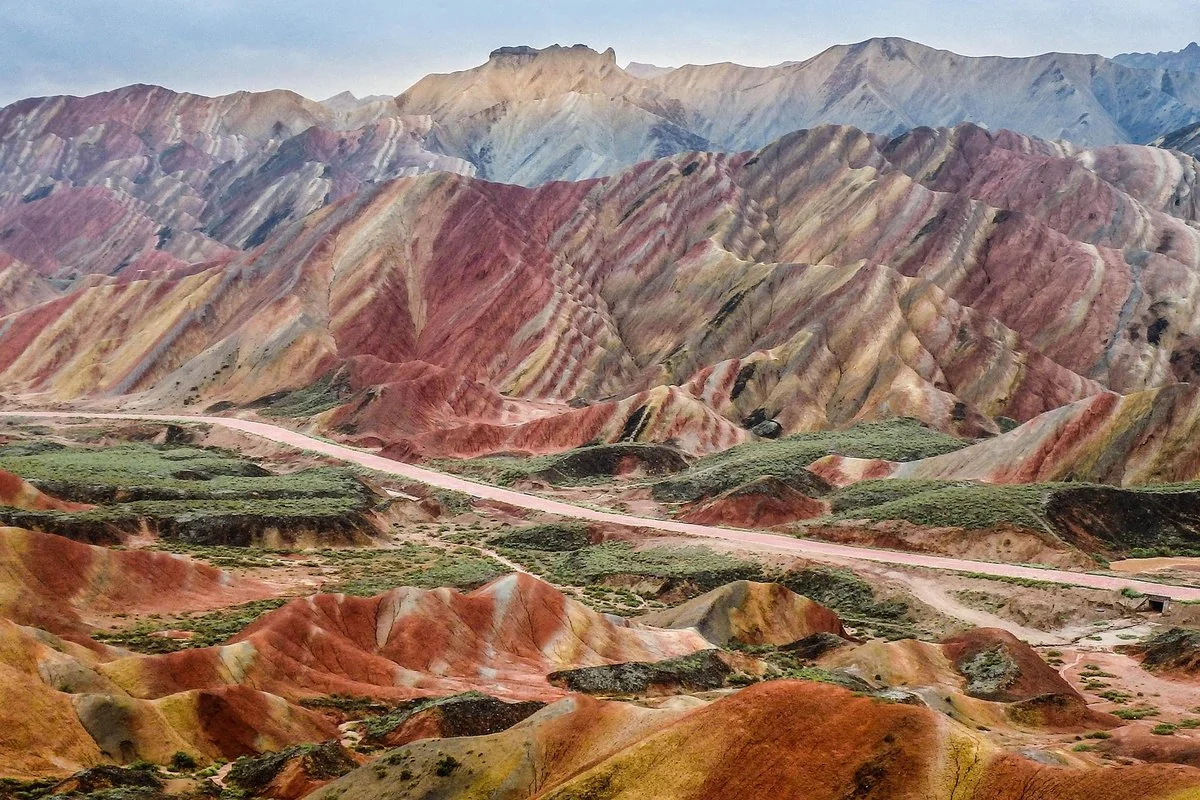
Rainbow-colored rock formations that look like a painter's palette.
View Details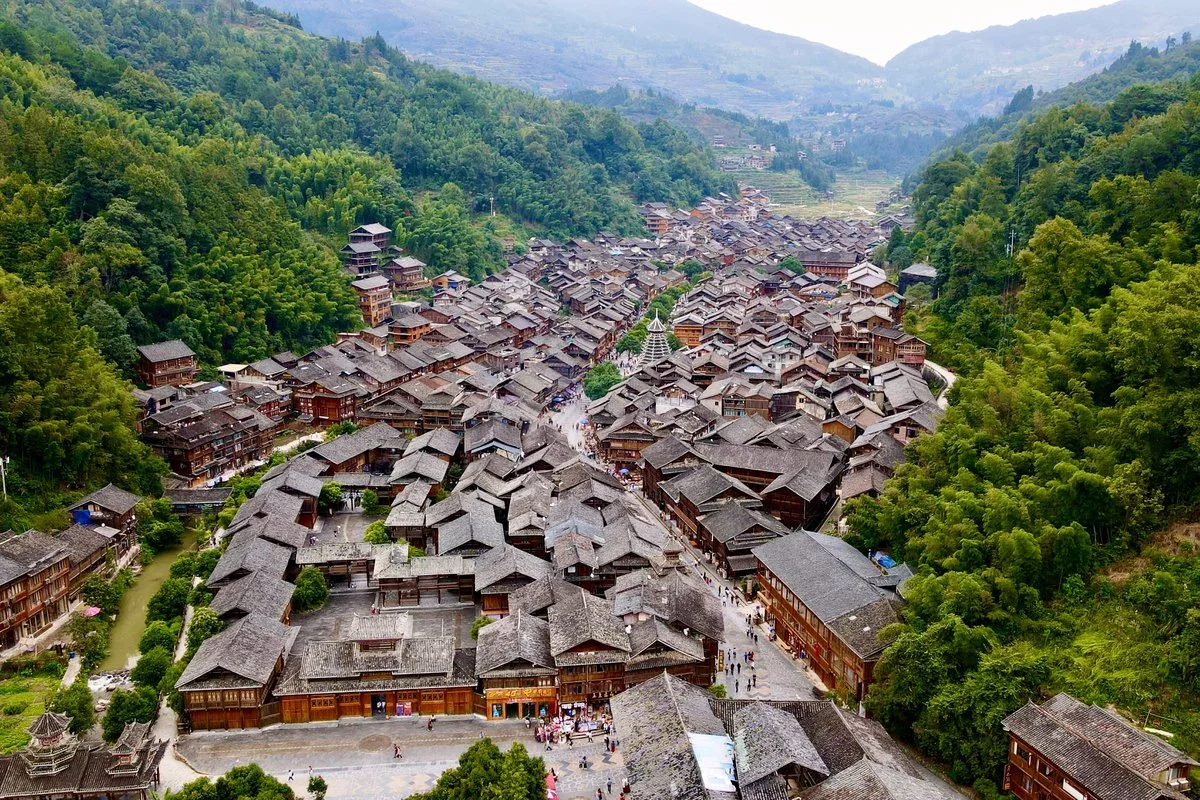
China's largest Dong village with stunning drum towers and UNESCO Grand Song.1
View Details