Route Overview
A 7-day high-altitude journey through West Sichuan's Tibetan regions. Alpine lakes, sacred mountains, and authentic Tibetan culture. Experience the "Last Shangri-La" at Daocheng Yading with its three holy peaks and turquoise lakes.
Why Choose This Route
- Daocheng Yading Three Holy Peaks
- Milk Lake & Five-Color Lake
- Danba Tibetan Towers
- Xinduqiao Photographer's Paradise
- Tagong Grassland
- Yala Mountain
- Tibetan Monasteries
- Milky Way Star-gazing
Detailed Description
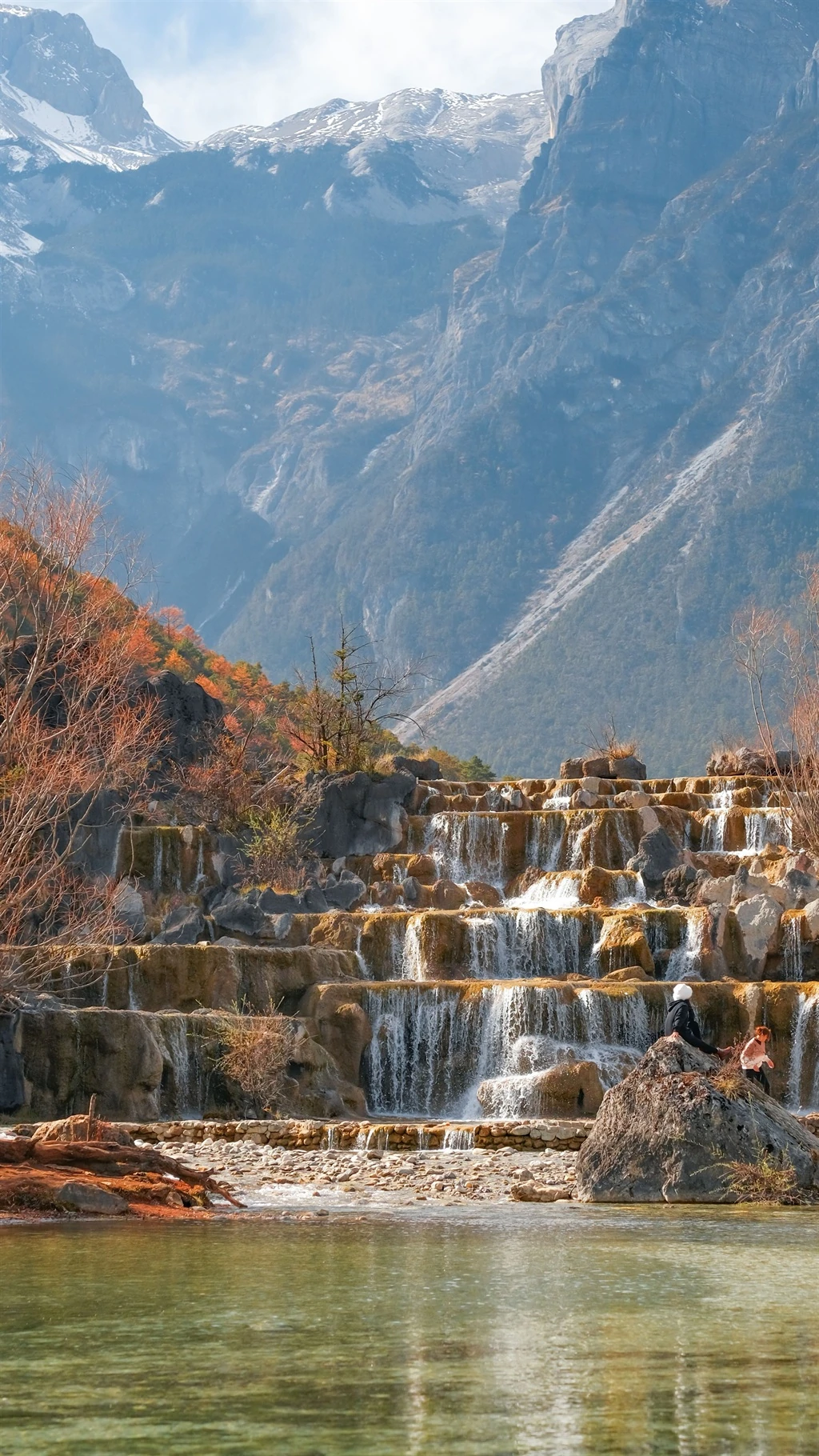
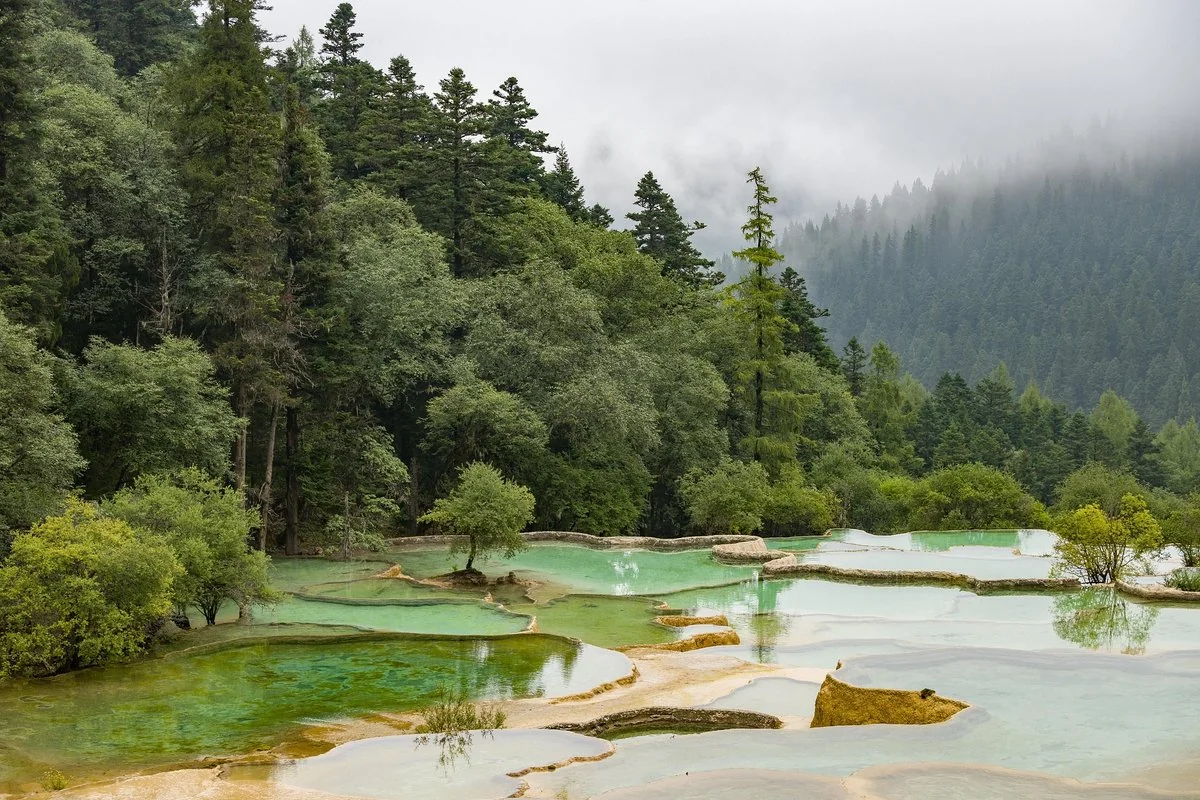
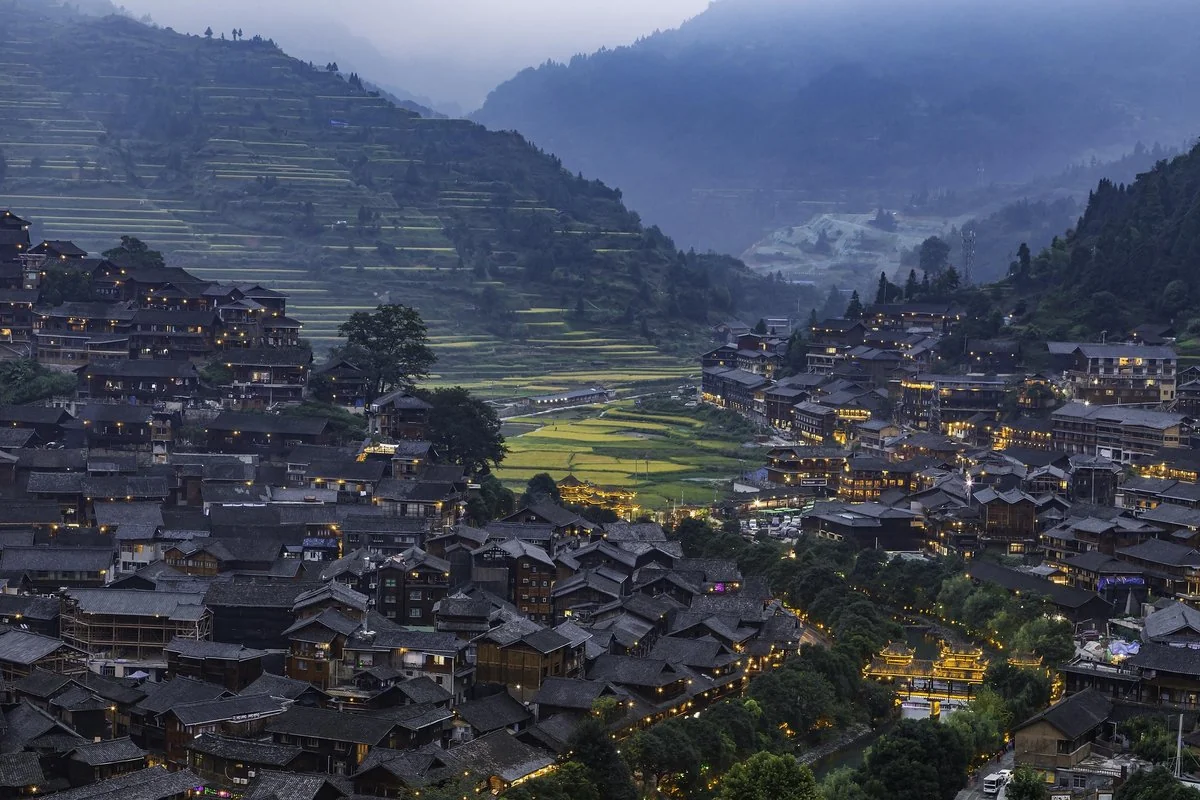
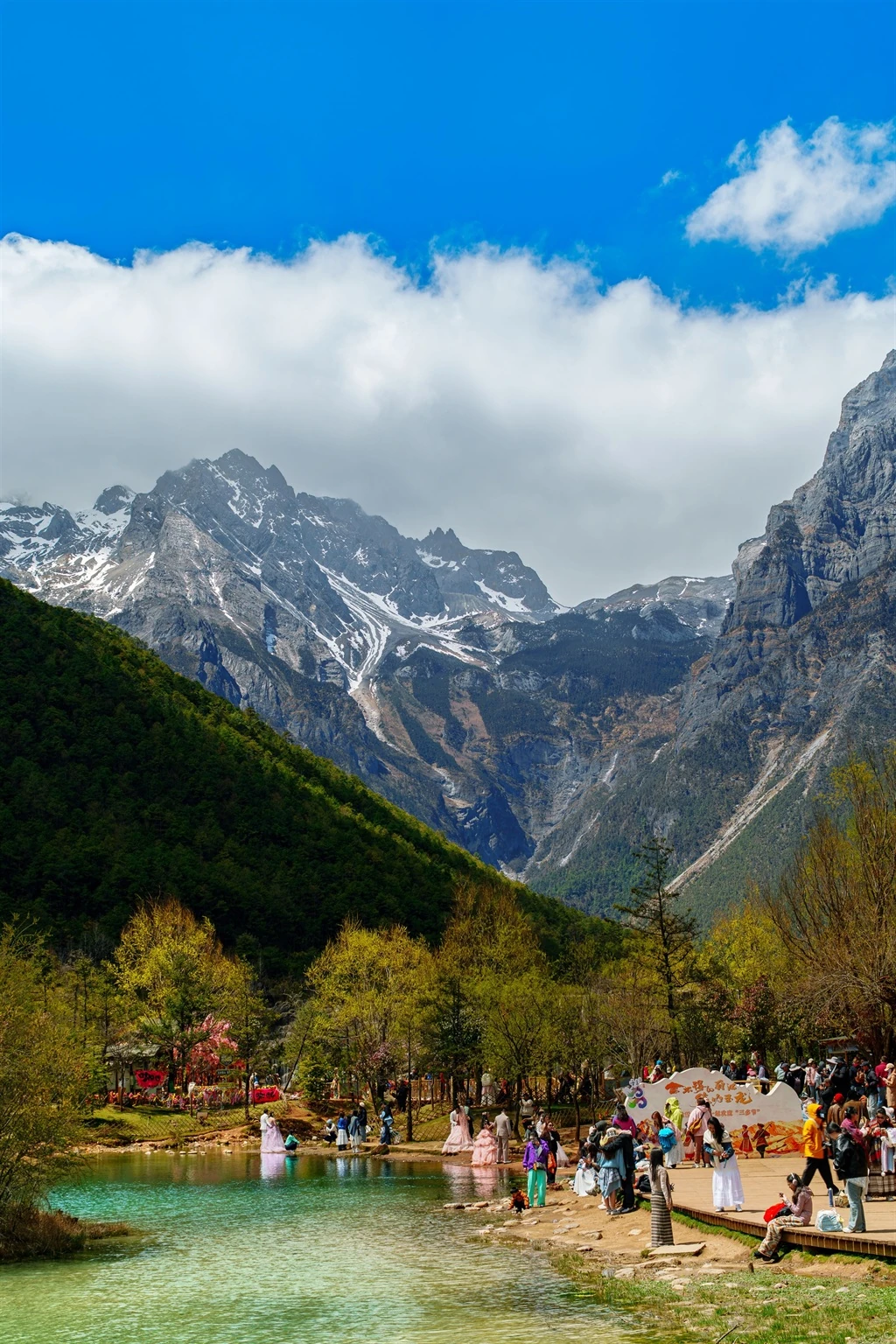
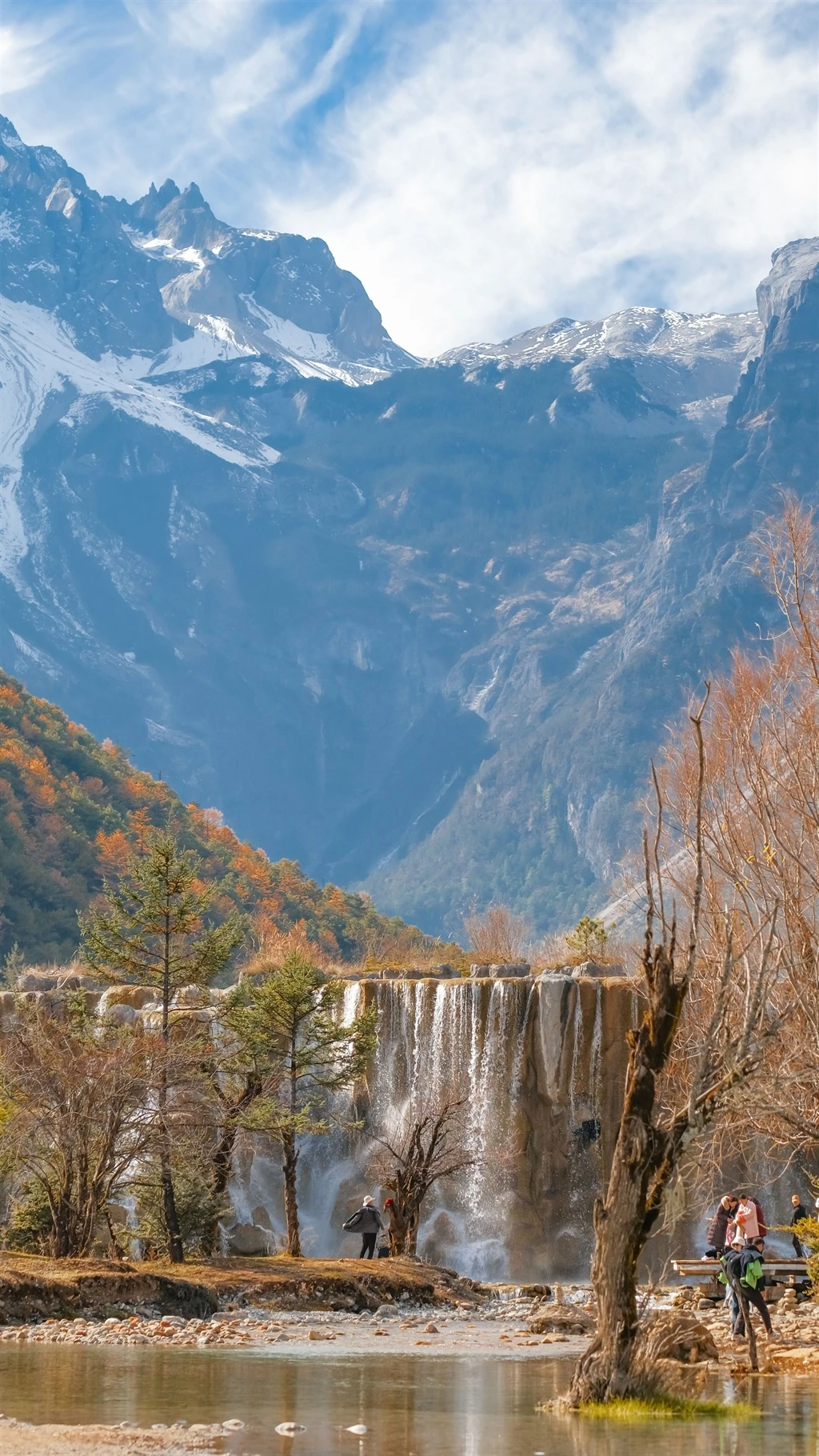
Sharp snow-capped mountain peaks pierce through thick cloud layers, tiny wooden Buddhist villages cling tightly to steep rugged mountain slopes. This winding mountain route leads straight toward Daocheng Yading, known to international travelers as the Last Shangri-La. Three sacred snow peaks stand guard over this whole region — Xiannairi, Yangmaiyong, Xianuoduoji — sheltering glassy emerald glacial lakes and wide sprawling alpine meadows between their ridges.
Your drive first cuts through Danba’s Beauty Valley, dotted with ancient stone Tibetan watchtowers rising tall like silent stone mountain sentinels. Further down the highway sits Xinduqiao, a legendary favorite among landscape photographers worldwide; soft low golden sunlight drapes every alpine meadow and riverbank differently each single hour of the day. Spend a full day roaming Tagong Grassland, step inside traditional yak-hair nomad tents to taste genuine everyday local nomad life—many landscape bloggers rank this valley among their top three photography spots across all of China’s western highlands.
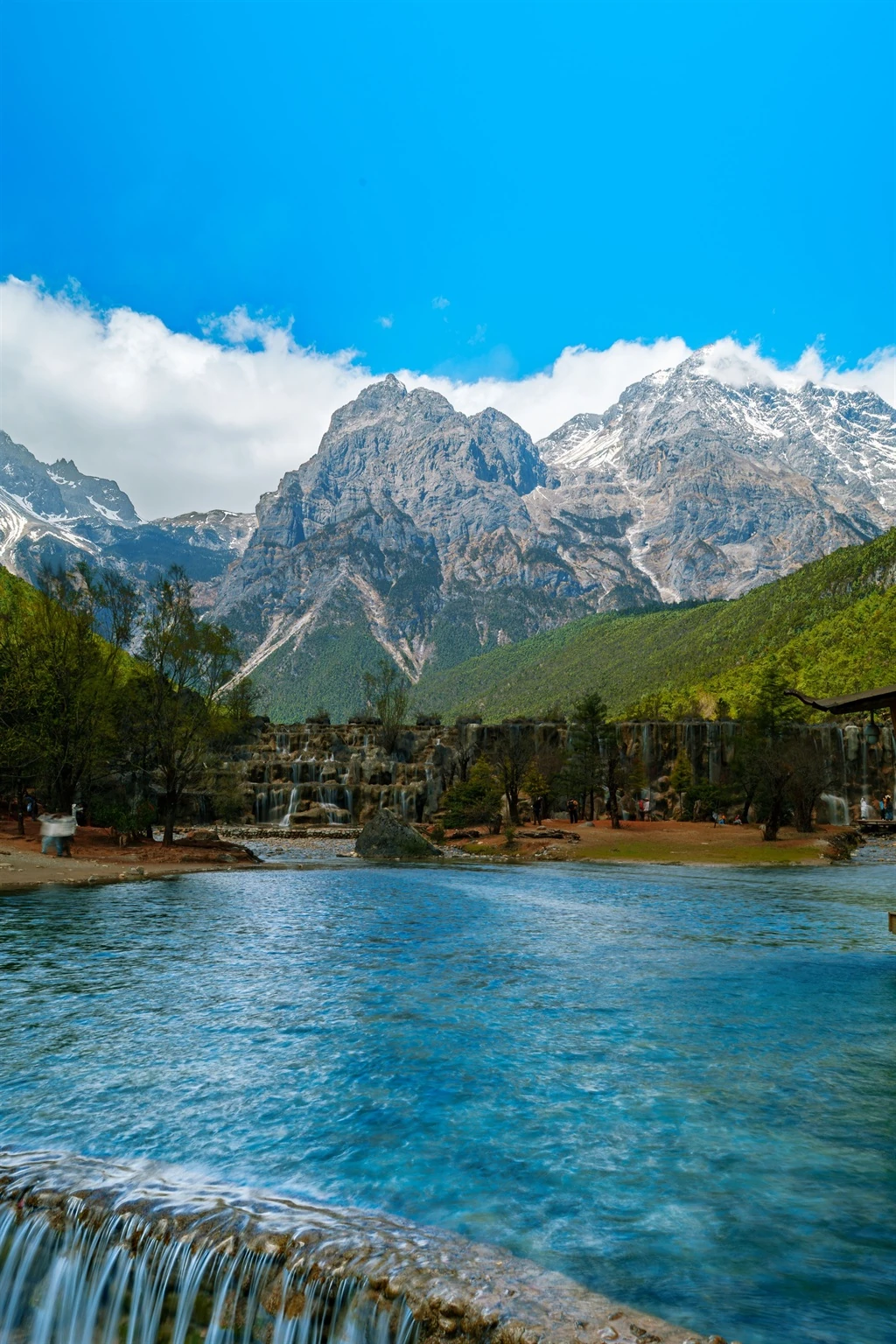
Once you reach Daocheng Yading, lace up sturdy hiking boots to trek toward Milk Lake and Five-Color Lake. Still glass-smooth glacial water mirrors sharp sacred mountain ridges perfectly, crystal clear without any haze clouding the view. Air sits thin and crisp at 4000m (13123ft); zero city smog dulls the vivid blue sky overhead. On clear cloudless nights, the entire Milky Way spills bright and vivid directly overhead, absolutely no light pollution dimming thousands of faint stars.
Destinations
Detailed Itinerary
Day 1: Chengdu → Danba (elevation 1800m / 5906ft)
Four hours’ drive out of Chengdu city limits. Keep travel pace super slow here—let your body gradually adjust bit by bit to rising high altitude, don’t rush steep hikes or intense walks right after arrival. Wander Jiaju Tibetan Village first, stacked colorful stone homes climbing layered mountain slopes. White plaster exterior walls paired with deep red timber roof beams mark classic local Gyarong Tibetan building architecture instantly recognizable in every travel photo online.
Afternoon
Walk the thousand-year-old Danba stone watchtowers. Locals originally built these tall stone structures long ago for mountain defense, plus to signal a family’s social standing within the valley community. Small apple and pomegranate orchards line casual easy hiking trails wrapping around village outer edges, full of ripe fruit in late summer.
Evening
Eat home-style Tibetan home cooking at a local villager’s household. Salty rich yak butter tea, roasted barley tsampa flour, slow-simmered tender yak meat stew all fill the table as staple dishes. Chat casually with your Tibetan host family; you’ll pick up tiny bits of regional folk tradition never printed in generic mass-produced guidebooks.
Day 2: Danba → Xinduqiao (elevation 3300m / 10827ft)
Morning
Drive along the Gyarong Tibetan corridor mountain road, climbing Balang Mountain pass sitting at 4298m (14101ft). Pull over at random roadside scenic viewpoints whenever you spot a great shot; wide unbroken panoramic views stretch out over snow mountain ridges and rolling alpine grassland as far as the eye can see. Wind whips fiercely hard at the pass summit, grab a windproof jacket before stepping out of the car for photos or you’ll get chilled fast.
Afternoon
Roll into Xinduqiao, widely nicknamed the Photographer's Paradise by every landscape creator who visits. Golden poplar trees line winding river meadows, rows of colorful prayer flags flutter constantly in the breeze, distant snow-capped mountains form a soft hazy backdrop. Late afternoon golden hour light hits differently here; nearly every famous online landscape shot of western Sichuan gets captured within this narrow two-hour window before sunset.
Evening
Drop by a local Khampa Tibetan family’s private home. They’ll greet every guest with a white silk kata scarf following ancient local custom. Sip low-alcohol highland barley wine, sit through a short Bon-Buddhist prayer ritual held in their stone courtyard. Don’t rush finishing your wine cup—locals keep refilling unprompted if your glass sits empty, a detail multiple light-drinking foreign tourists warned me about.
Day 3: Xinduqiao → Litang → Daocheng (elevation 3750m / 12303ft)
Morning
Climb Kazila Pass at 4718m (15479ft), one of China’s highest fully paved mountain highway passes. Pull up at the famous Sky Road overlook; the highway stretches forward endlessly, almost blending straight into low hanging grey cloud banks. Wind here carries a sharp icy chill even during summer heatwaves, bring thick outer layers. Drive downhill afterward into Litang Valley, home to the world’s highest county town sitting at 4014m (13169ft).
Afternoon
Tour Litang Monastery, a Gelugpa Buddhist site built four hundred years ago. Stop in the main stone courtyard to watch robed monks debate religious texts out loud—their loud back-and-forth discussions feel energetic and lively, a fascinating unscripted cultural moment for visitors. Keep driving toward Daocheng after finishing the monastery tour; wide open grasslands spread on both highway sides, dotted with grazing yaks and nomad canvas tents pitched beside small streams.
Evening
Soak in Daocheng natural hot springs. Soreness built up from hours of long mountain driving melts away fast, perfect for easing mild early altitude weariness before higher treks ahead. Public shared pools grow crowded and noisy after dark; private small individual tubs cost an extra ¥80 ($11.4) if you want quiet undisturbed soaking space.
Morning
Cruise through wide Daocheng valley stretches. Pause briefly beside old white Tibetan chorten stone shrines, then visit Hong Caodi Red Grassland. Wetland turf turns striking vivid scarlet every single autumn, a dramatic contrast against soft green summer plains. Harsh midday sun glares intensely off red grass blades, polarized camera lenses work wonders cutting bright glare here for cleaner photos.
Afternoon
Enter Yading Nature Reserve grounds first thing. Catch electric shuttle buses heading inward toward Chonggu Monastery at 3880m (12730ft). Start a casual two-hour easy hike toward Zhuoma La Pearl Sea at 3980m (13058ft). Lake surface lies smooth as polished mirror glass, perfectly reflecting towering 6032m (19790ft) sacred Xiannairi Peak directly overhead. Turquoise glacial water set against bare grey granite rock feels otherworldly, every photo turns incredible with zero editing filters needed.
Evening
Settle into Yading Village, a tiny remote Tibetan hamlet tucked right beneath sacred mountain base ridges. Meals only offer simple basic highland staple dishes with limited menu variety; stock up on small portable snacks before arriving if you’re a picky eater with narrow food preferences. Turn in to bed extra early — tomorrow’s full-day high-altitude trek demands maximum energy reserves.
Day 5: Yading Sacred Mountain Full Trek (elevation range 4200–4700m / 13780–15420ft)
Morning
Spend the entire full day walking the sacred pilgrimage kora circuit around three peaks. Start off at Luorong Pasture (4180m / 13714ft). Alpine meadows bloom thick with hundreds of wild summer flowers lining both sides of hiking trails. Keep eyes peeled for local wildlife—fluffy marmots pop out of underground burrows beside the path, blue sheep graze distant rocky slopes, large lammergeier vultures circle high above bare granite ridges all day long. The full trail stretches extremely long, only pack lightweight minimal gear to avoid heavy leg strain mid-trek.
Midday
Arrive at Niunai Hai Milk Lake, resting at 4600m (15092ft). Milky pale turquoise glacial water fills a natural granite bowl directly beneath 5958m (19547ft) Yangmaiyong Peak. Walk another thirty minutes steep uphill to reach Wuse Hai Five-Color Lake, the trek’s highest point sitting at 4700m (15420ft). Lake surface shifts color nonstop depending on sunlight angles, glowing bright emerald from one viewpoint, deep sapphire blue hit by direct midday sun. Violent strong wind gusts blast constantly at the lake summit; it’s shockingly easy to get chilled fast even on warm summer days.
Afternoon
Hike slowly downhill back toward Luorong Pasture. Slash your walking pace drastically on descent to spare knee joints from harsh steep trail impact. Sit quietly twenty minutes taking in all three sacred peaks, revered by Tibetan Buddhist pilgrims for over a thousand years—each peak respectively represents Avalokiteshvara, Manjushri and Vajrapani.
Day 6: Yading → Daocheng → Xinduqiao (elevation 3300m / 10827ft)
Morning
Capture final dawn shots of sacred mountain ridges before checking out of Yading Village. Take a short casual walk out to Luorong Pasture for unobstructed unfiltered sunrise views; soft gentle early morning light blurs sharp jagged peak outlines into dreamy muted silhouettes. Catch the reserve shuttle bus heading back out of nature reserve grounds once you finish all sunrise photography.
Afternoon
Drive back through central Daocheng town. Pop into roadside village craft stalls browsing handmade Tibetan goods: polished silver jewellery, hand-painted thangka scrolls, thick warm yak wool blankets and woven scarves. Prices stay flexible for all small trinkets, light polite haggling works perfectly well with local vendors. Keep driving onward until you reach Xinduqiao, dropping back down to far lower altitude for much easier, headache-free sleep later that night.
Evening
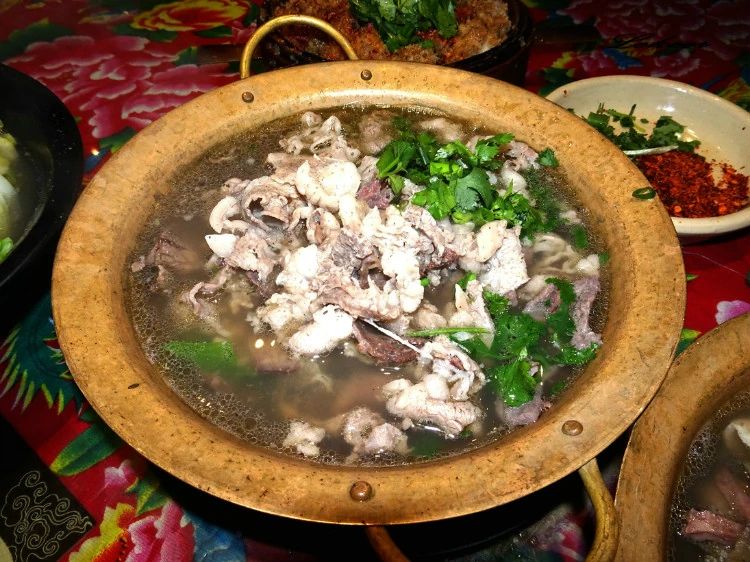
Group shared dinner together; swap trek photos and small funny travel stories collected over past few days. Local hearty yak hot pot arrives loaded with fresh highland-grown wild mountain greens. Portions run extremely generous, skip heavy midday snacks if you want room to finish full hot pot spread without overeating.
Day 7: Xinduqiao → Kangding → Chengdu (elevation drops to 500m / 1640ft)
Morning
Drive toward Kangding, the City of Love made world-famous through classic folk tune Kangding Love Song. Wander Anju Monastery grounds at a relaxed pace, stroll along Zheduo River cutting straight through town centre. Street stalls sell cheap mass-produced yak leather keychains; note most are factory-made generic goods, not genuine local handcrafts if you’re chasing authentic artisanal souvenirs.
Afternoon
Pass through Erlang Mountain tunnel at 4298m (14101ft). Landscape shifts dramatically the second you finish driving downhill off Tibetan Plateau and enter Sichuan Basin terrain. Barren open alpine grassland fades away completely, replaced by thick lush subtropical forest blanketing every hillside all around the highway. Roll into downtown Chengdu by late evening.
Evening
Group farewell feast held within central Chengdu city limits, featuring classic spicy Sichuan hot pot as main signature dish. Mild non-spicy broth available on request for anyone sensitive to heavy chili heat. After wrapping up dinner, shuttle rides depart out to Chengdu airport or central city hotels for all follow-up independent travel plans.
Immersive Experience
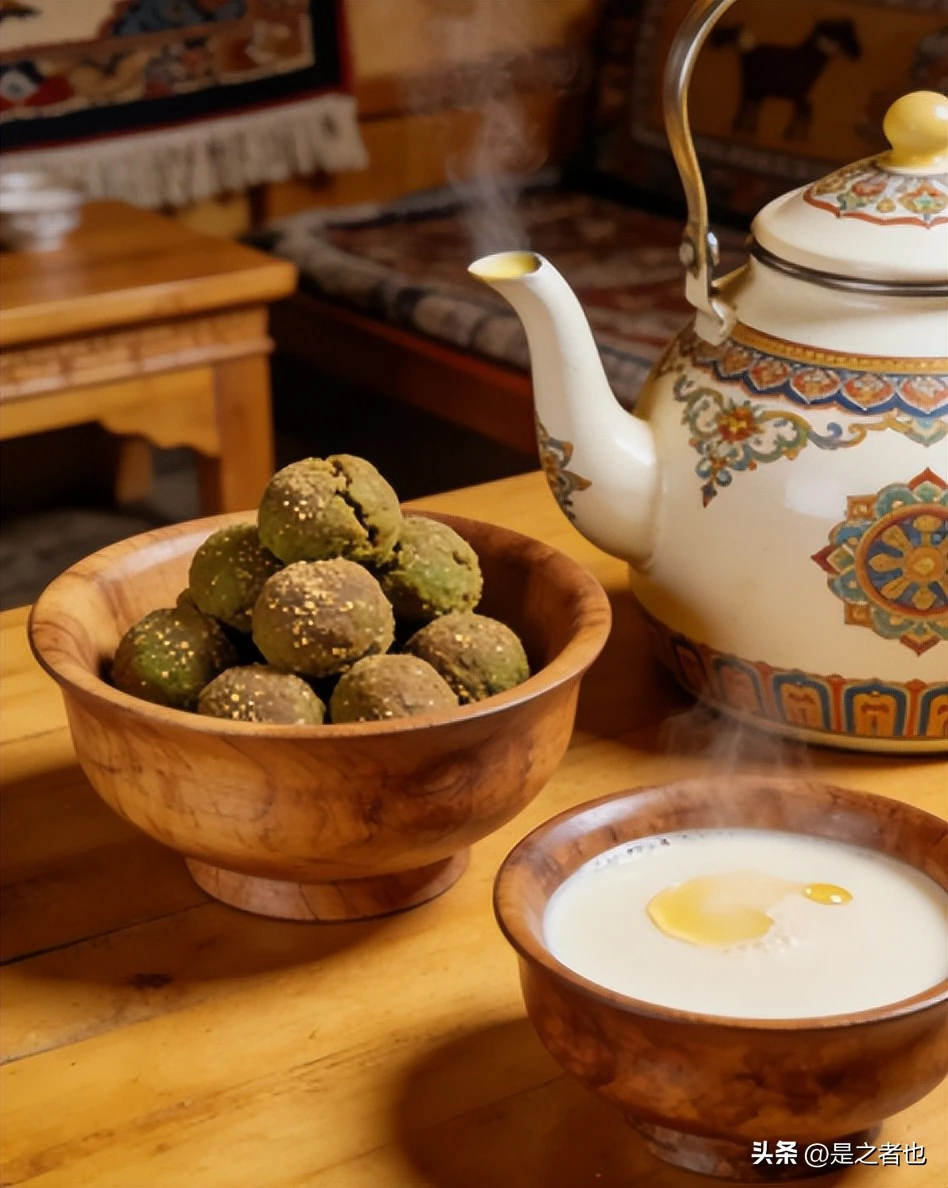
After exploring Daocheng Yading’s holy mountains and lakes, experience authentic handmade Tibetan incense with local families. The process uses pure plateau natural ingredients and is easy for everyone. You first learn about cypress powder and sacred alpine herbs and their natural meanings. You mix and blend the raw materials, add pure plateau water, and knead them repeatedly into smooth incense clay. Then you press the clay through a traditional tool to shape straight incense sticks. You place them neatly to dry naturally with zero machine processing. The whole workflow is calm, peaceful, and deeply relaxing. For international visitors, this is a genuine way to understand Tibetan blessing culture. You will learn how local people combine nature and faith in daily life and take home a pure handmade incense that carries the quiet spiritual warmth of the snow plateau.
What's Included & Excluded
Included
- All entrance fees (Yading Reserve, monasteries)
- Tibetan guesthouse accommodation (6 nights)
- Daily meals (6 breakfasts, 6 lunches, 6 dinners)
- Local Tibetan guide (English-speaking)
- Transportation (private vehicle)
- Camping equipment for stargazing
- Altitude acclimatization guidance
Excluded
- Flights to/from Chengdu
- Personal travel insurance
- Tips for guides and hosts
- Personal purchases (Tibetan crafts, jewelry)
- Alcoholic beverages
- Emergency medical evacuation
What to Bring
- Warm layers (temperatures vary 0-25°C (32–77°F), can drop below freezing at night)
- Hiking boots (waterproof, ankle support)
- Sun protection (SPF 50+, hat, sunglasses—UV rays are intense at high altitude)
- Altitude sickness medication (consult doctor before travel)
- Camera with telephoto lens (for mountain peaks)
- Sleeping bag liner
- Water bottle (stay hydrated)
- Lip balm with sunscreen
- Headlamp
Gallery
Accommodation
Lodging splits into two consistent styles for most of the trip, with a single upgrade on day three only:
Valley village Tibetan homestays (Day1, Day2, Day4, Day5, Day6): Basic family-run stone/timber houses scattered across mountain hamlets. Heating’s thin and spotty, hot water often cuts out after 9 p.m., shared bathing facilities common. Pack extra fleece layers and charge electronics before dusk, power runs limited overnight above 4000m elevation like Yading Village. Rhodiola tea sold cheap at village shops eases altitude headaches for overnight stays here.
Daocheng town 3-star hotels (Day3): A clear step up from homestays, stable heating, reliable 24-hour hot showers, private en-suite bathrooms and solid power supply all night long, perfect for resting before high-altitude treks.
All guesthouses and hotels include complimentary breakfast every single morning, no extra fees. Simple pre-arranged local lunch stops only on day seven’s Kangding transit stretch; all other midday and evening meals are either host-family home cooking or group shared feasts pre-planned for the group.
Quick tip: Carry full bottled water nonstop above 3500m (11483ft) elevation, minimum two litres per person each hiking day. Tap water across all highland mountain villages remains unfiltered and unsafe for direct drinking without thorough boiling first.
Cultural Notes
This whole route crosses Kham Tibetan territory, where Tibetan Buddhism shapes every piece of daily village life. Always circle mani stone piles clockwise, never walk the opposite direction—it’s a sacred pilgrimage custom locals take very seriously. Yading’s three sacred peaks draw pilgrims year-round; you’ll spot casual day trekkers completing full kora circumambulation loops, plus dedicated full-body prostration pilgrims crawling slowly along hiking trails as an act of devotion.
Locals brew homemade rhodiola tea to ease altitude sickness symptoms, often mixed with rich yak butter for extra high-calorie energy—accept the drink politely if a villager offers it to you as a guest gift. Do not pocket loose rocks, wild alpine plants, carved mani stones taken from Yading nature reserve land; park rangers issue strict heavy fines for removing any natural or cultural relics off protected grounds.
Local Food & Drink
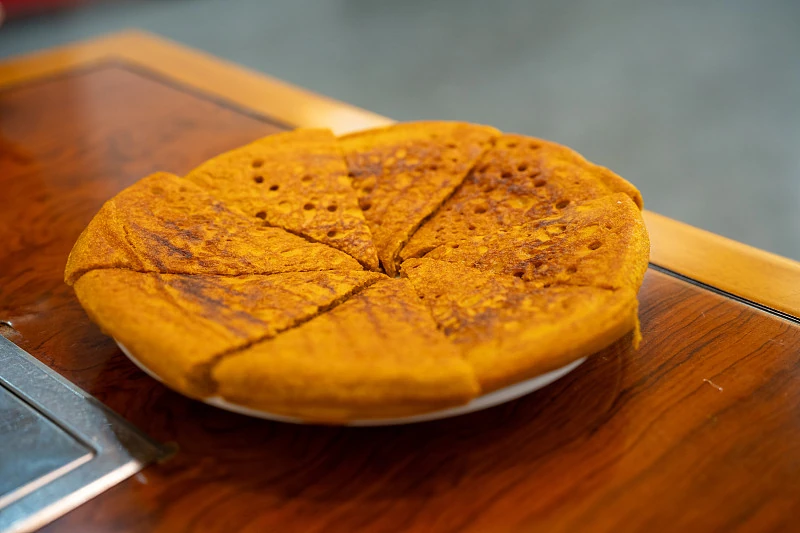
Yak butter tea stands as core essential highland staple food once you climb past 4000m elevation. It’s salty and packed with dense calories, almost mandatory to replenish energy on long high-altitude treks. Roasted barley tsampa flour mixes directly with butter tea to form simple edible dough villagers eat three times daily.
Family homestays serve slow-roasted yak ribs and cured Tibetan pork cuts; portions taste plain yet extremely filling for long hiking days. Daocheng town also hosts standard Sichuan restaurant menus featuring mapo tofu and kung pao chicken. Simply say 'bu la' to chefs if you need zero chili spice added to all dishes.
Budget Reference
Disclaimer: Prices above are estimates only for informational purposes. Hidden China does not directly sell or book travel packages. Final pricing depends on travel season, exact itinerary length, room category, private vs shared transport, and operator availability. We recommend contacting at least 2–3 local licensed operators to compare tailored quotes before booking.