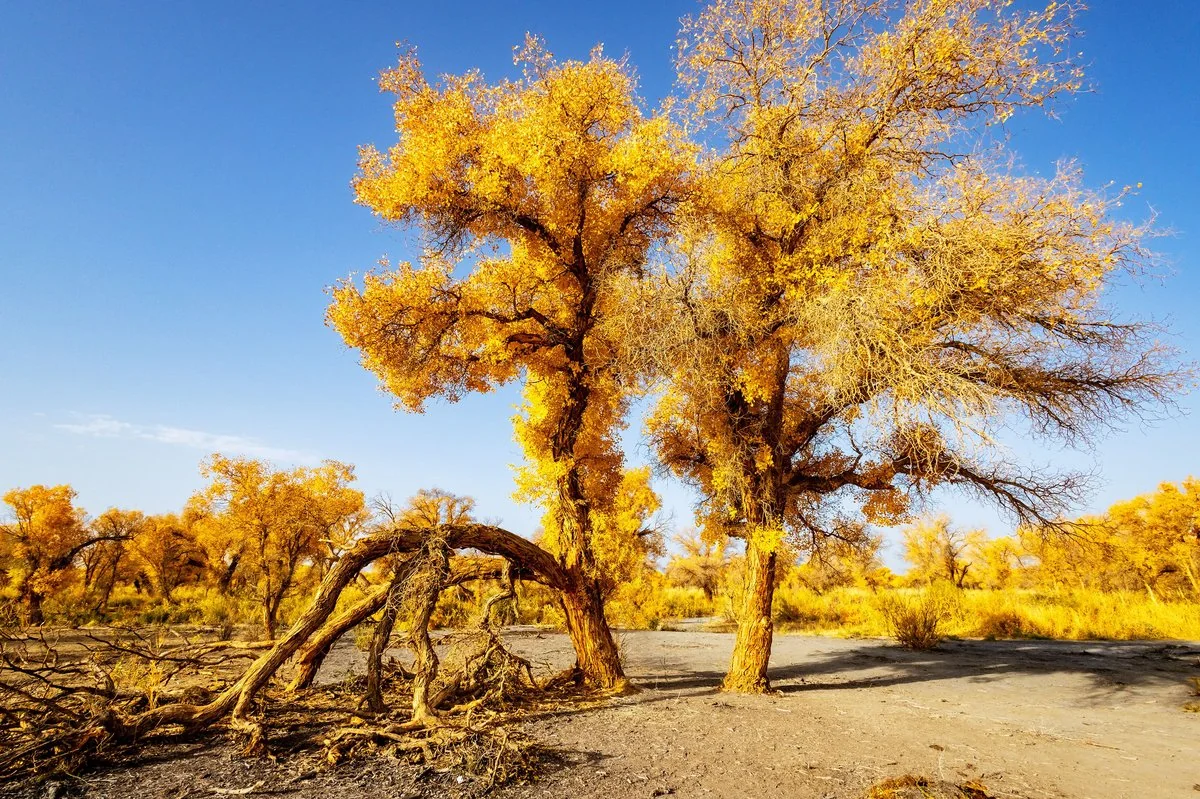
Tiger Leaping Gorge
One of the world's deepest river gorges with legendary hiking trails.
View DetailsXiangxi, Hunan Province
Fenghuang Ancient Town, also known simply as Phoenix Ancient Town, counts as one of China's most breathtaking river water towns, tucked deep within western Hunan's jagged rugged mountain ranges. Built more than 400 years ago across Ming and Qing dynasties, the whole town features traditional wooden stilt houses (diaojiaolou) hanging directly over the turquoise Tuojiang River, connected by rough uneven stone footbridges and winding cobblestone alleys snaking through every neighborhood.
Roam narrow old-town lanes lined with tiny family-run shops, cozy tea houses and food stalls serving local regional specialties you can't find elsewhere. Cross iconic Hongqiao (Rainbow Bridge), a covered wooden bridge first erected back in Ming times. Once dusk falls, thousands of glowing red lanterns light up the riverbanks and stilt house facades, wrapping the entire town in a soft, dreamlike warm glow that looks straight out of old Chinese paintings.
Fenghuang carries rich Miao and Tujia ethnic cultural heritage, and you can pop over to the nearby Southern Great Wall ruins, take a slow wooden pole-boat cruise along the river winding straight through the heart of town, and explore ancient weathered city gates and old temples dotted across the hillside. The writing of Shen Congwen, one of modern China's most beloved rural novelists, pushed this quiet riverside water town onto the international travel map for good. A Japanese travel blogger shared that reading Shen Congwen's novel Border Town years ago made them book their trip here without a second thought.
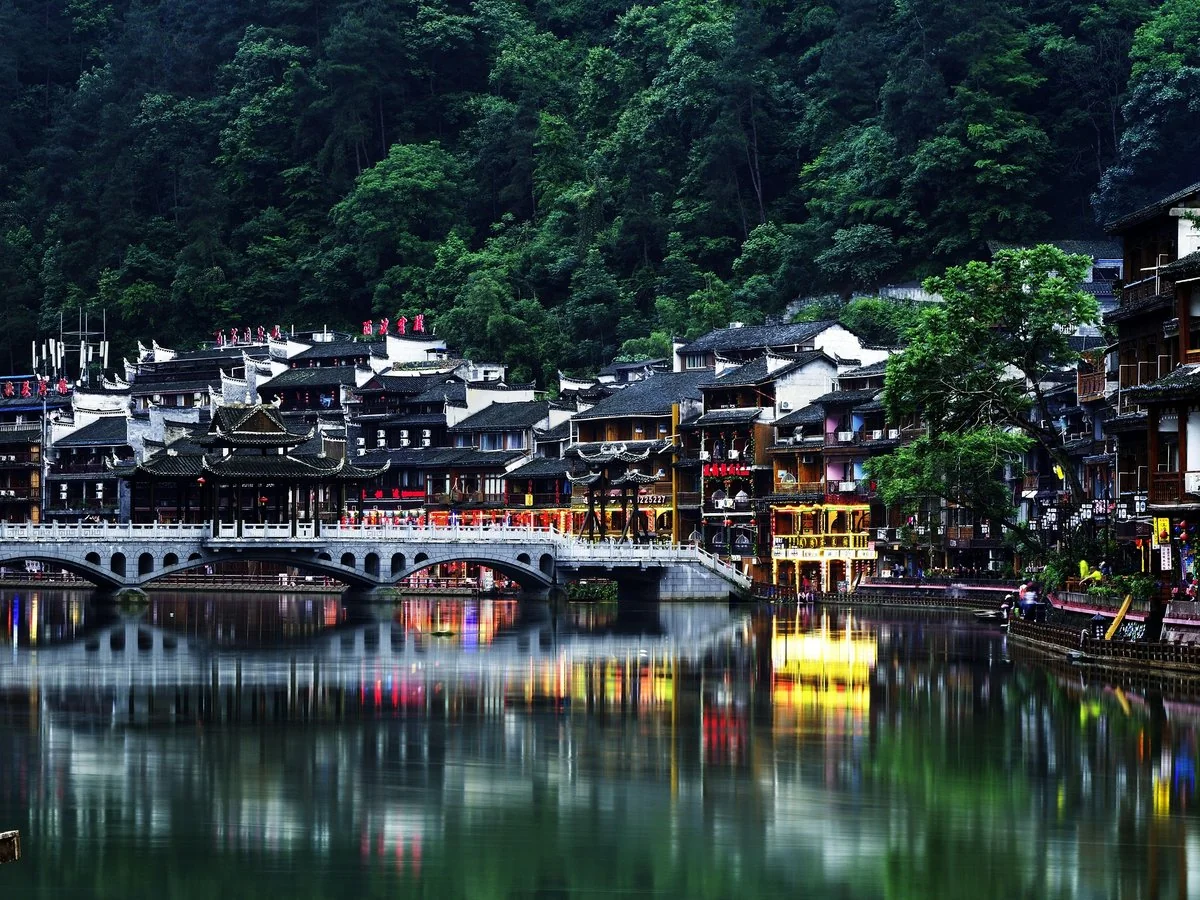
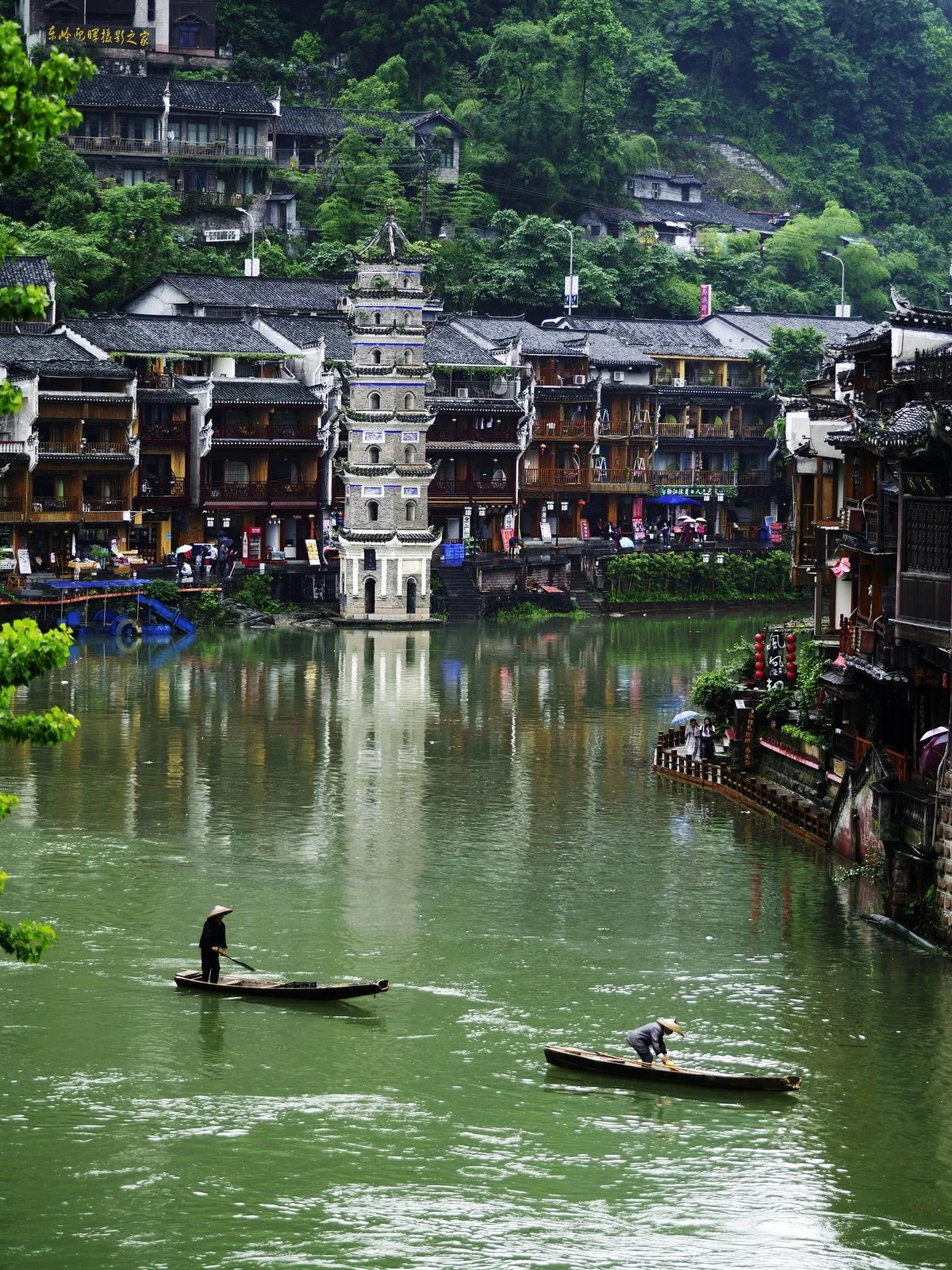
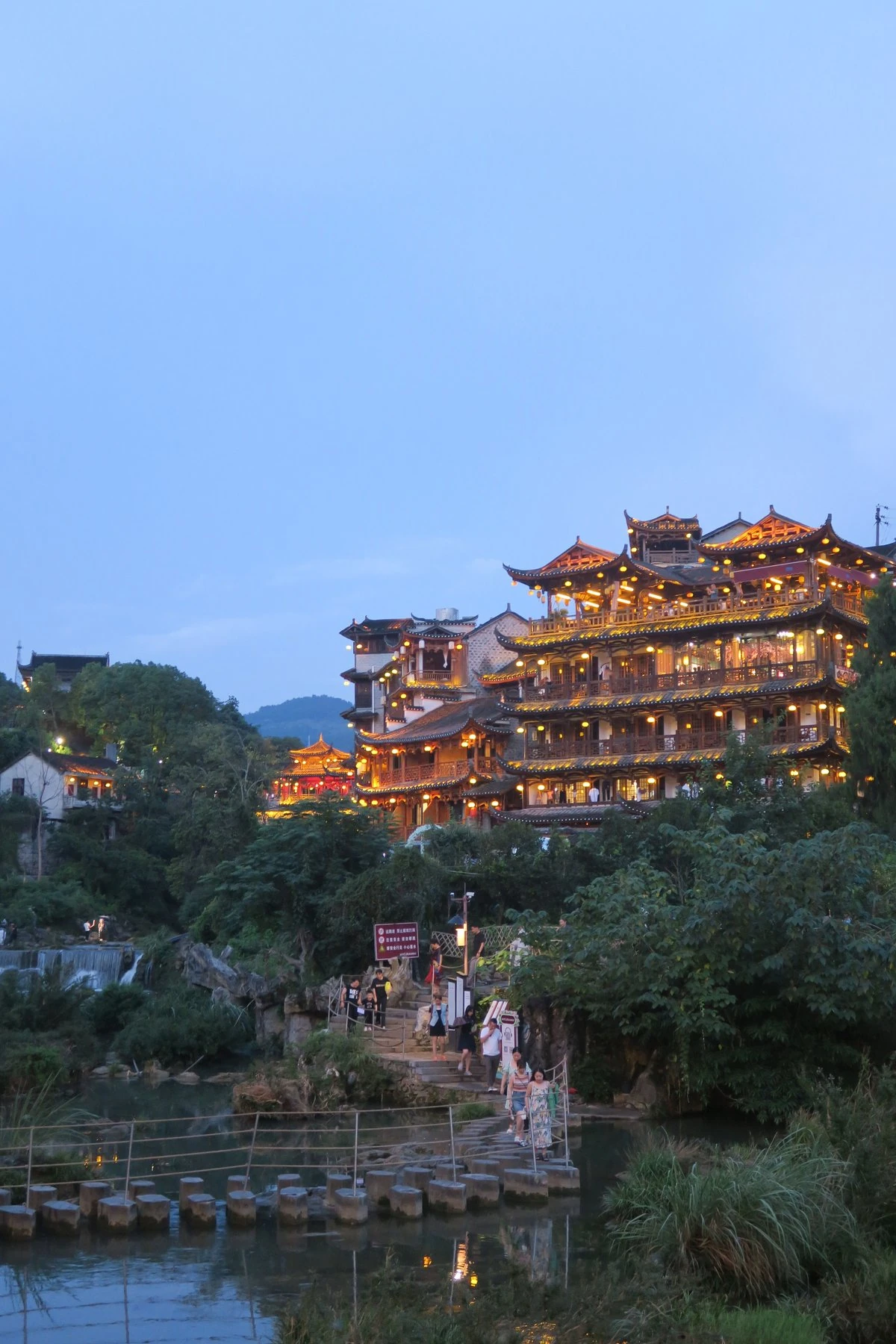
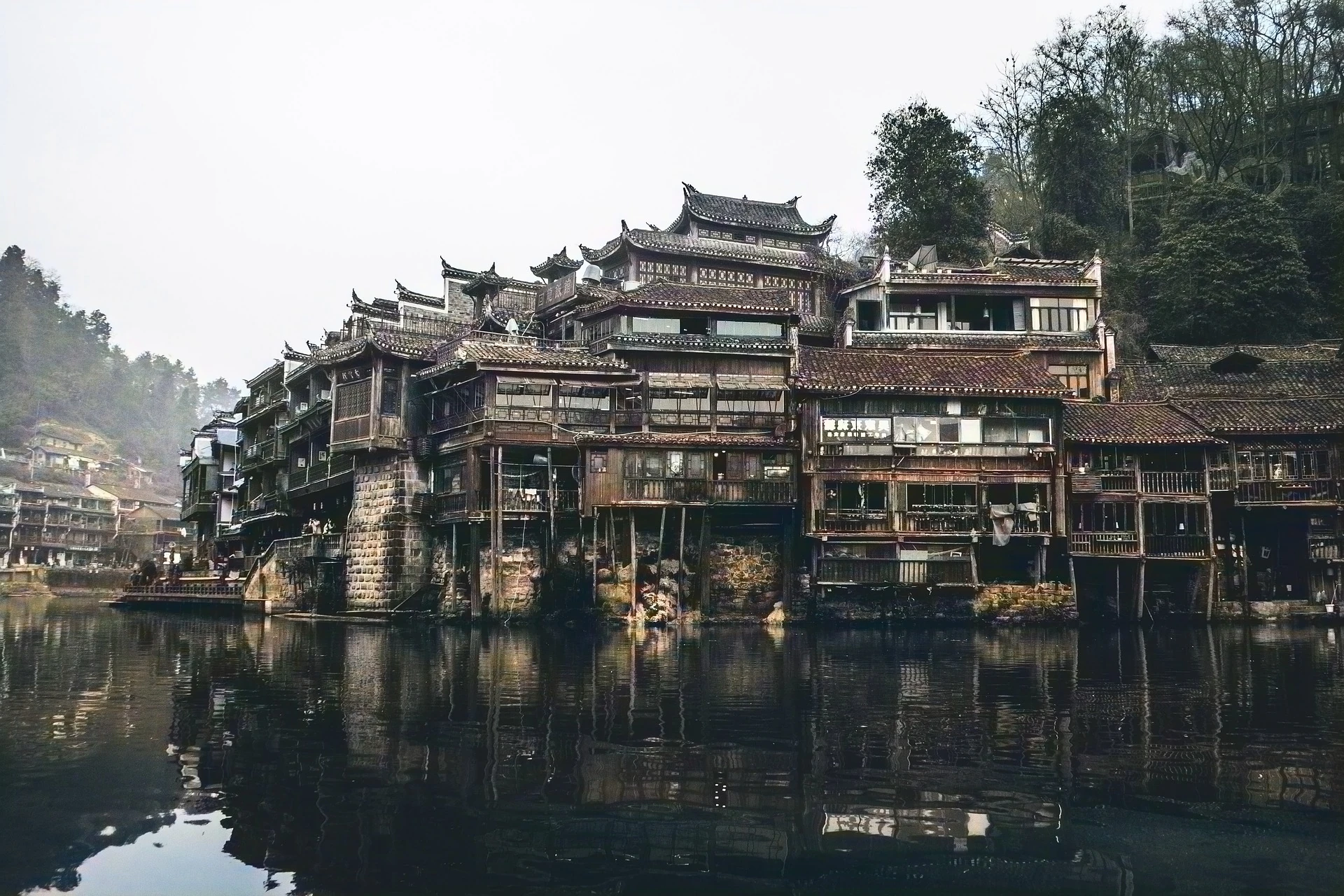
Fenghuang sits on the UNESCO tentative heritage list, and once acted as core territory for Miao and Tujia uprisings against Qing dynasty rule back in the 1700s. The iconic hanging wooden diaojiaolou stilt homes lining the Tuojiang River are still lived in by local Miao families to this day, not just empty tourist display buildings.
Tuojiang River lantern release tradition: Grab floating paper lanterns for ¥5–10 ($1–$1) at the North Gate pier once night falls; bigger decorative lanterns run ¥30 ($4) each. Whisper your personal wish quietly before setting them adrift on the water—Miao villagers believe wishes sent out with lanterns reach the protective river dragon spirit guarding the town. Do not grab lanterns that float back to the river shore; locals consider those lanterns already claimed by river spirits. Several foreign visitors picked up drifting lanterns out of simple curiosity before, and got gentle but firm scoldings from elderly Miao residents nearby.
Miao costume rental: Full traditional outfits paired with elaborate silver headdresses rent at South Gate for ¥80–150 ($11–$21) per hour, including professional hairstyling to match the costume. Never touch another visitor's silver headdress without asking clear permission first—Miao silver jewelry gets passed down maternal family bloodlines for generations and holds sacred clan value to locals. A European tourist once accidentally knocked a silver headdress off a local woman's head, sparking an awkward, tense standoff that lasted several minutes.
Hongqiao (Rainbow Bridge) night market: The two-story covered wooden bridge burned down completely and underwent full reconstruction in 2013, replacing the original aged Ming-Qing timber structure that stood there for centuries. The second-floor tea house enforces a ¥58 ($8) minimum tea order for seating, but delivers totally unobstructed river views without the crowded chaos filling the ground floor market area.
Shen Congwen's Former Residence: The legendary 20th-century rural writer was born right here in this small house. Entry costs ¥20 ($3), or gets fully covered by the combined full-town sightseeing pass. His novel Border Town romanticized Fenghuang for Chinese readers nationwide, so all bookshops surrounding the residence stay packed with visitors year-round, no matter the travel season.
Miao village day trip to Dehang: The mountain road toward Dehang twists and turns nonstop for miles, so pack motion sickness pills if you get carsick easily. The suspended highway running over Aizhai Gorge ranks among the world's highest bridges, with a ¥50 ($7) skywalk viewing ticket available for tourists who want panoramic gorge shots.
Tuojiang ferry etiquette rules: Small wooden boats hold a maximum of four passengers total, with local boatmen standing upright to paddle using long wooden poles. Don't jump up abruptly mid-trip—the river current moves far faster than it looks, and sudden weight shifts can easily capsize these lightweight wooden boats. Multiple tourist groups nearly tipped boats over by standing suddenly to grab river photos mid-cruise last year.
Skip buying “genuine” Miao silver jewelry from unmarked random stalls near Hongqiao—90% of these pieces are cheap Yiwu mass-produced costume silver containing less than 1% real silver content. Shop only at stores bearing the official Chinese Intangible Heritage seal, and ask sellers for a formal 999 silver purity certificate before paying any cash. Many overseas tourists spent hundreds of dollars on fake silver souvenirs they could never resell later once back home.
Xiangxi Hunan-Miao cuisine leans heavily on fermented ingredients, balancing Hunan's signature fiery chili heat with mild, savory sour flavors unique to the western Hunan mountains.
Miao sour fish hotpot: Distinct from Guizhou's version, this broth ferments rice water instead of wild tomato for softer, deeper umami flavor in every bite. Riverside stilt-house restaurants serve it paired with sticky rice, ¥88 ($12) for a two-person hot pot set.
Blood sausage duck (xuè bā yā): Stir-fried duck meat mixed with glutinous rice sausage crafted from fresh duck blood. Every Fenghuang restaurant lists this signature local dish, served alongside tangy chili vinegar dipping sauce on the side.
Wormwood rice cakes (hāo zǐ bā bā): Green wormwood-infused rice cakes, pan-fried or steamed with sweet sesame filling inside. Elderly Miao women carry woven baskets of these cakes through town streets before 10am each morning, selling for ¥5 ($1) apiece—they sell out rapidly by mid-morning, so early risers get first pick of fresh stock.
Fermented rice water cold noodles (jiāng shuǐ miàn): Cold noodles tossed in fermented rice water mixed with pickled vegetables and wild mountain herbs, a staple summer breakfast for local residents, priced ¥10 ($1) per bowl.
Tuojiang River crayfish: Night market stalls lining both river banks cook crayfish in Sichuan mala thirteen-spice seasoning, priced ¥88 ($12) per minimum 500g portion, perfect paired with cold local lager beer after dark sightseeing.
Drinks: Miao rice wine, hitting 15–20% alcohol volume. Homestay hosts serve this during welcome ceremonies, joking about the “three bowls compulsory” local rule, but basic politeness only requires sipping at least one small bowl to show gratitude. Ginger brown sugar tea sold from thermos stalls warms you up after chilly evening ferry rides along the river, ¥5 ($1) per cup.
Daily food budget averages roughly ¥70 ($10)–¥140 ($19) per person. Skip the tourist-crammed riverfront strip for breakfast; residential alleys west of the town center serve cheaper, far more authentic local meals favored by actual permanent residents, not just passing visitors. A Canadian food vlogger said these hidden alley breakfast stalls tasted vastly better than overpriced riverside restaurants that only cater to foreign tour groups.
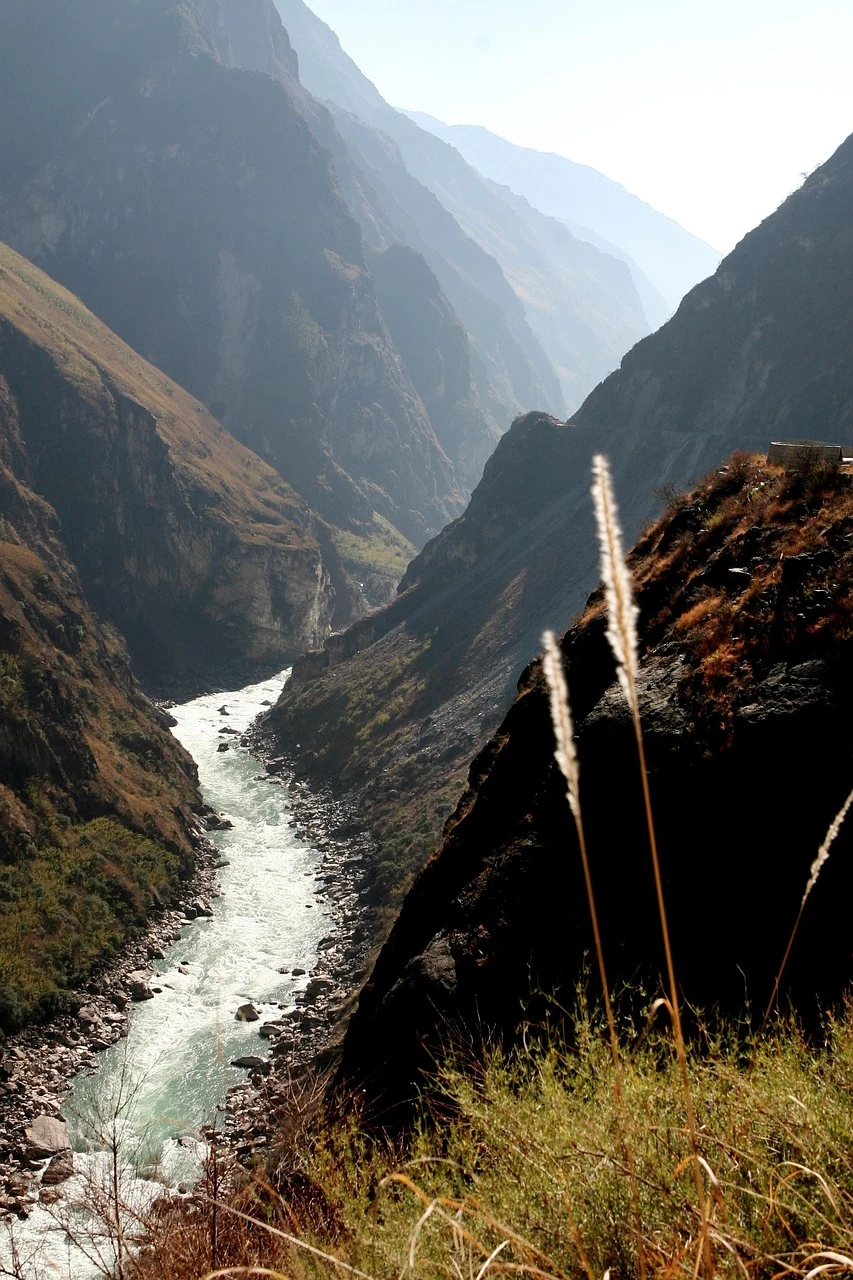
One of the world's deepest river gorges with legendary hiking trails.
View Details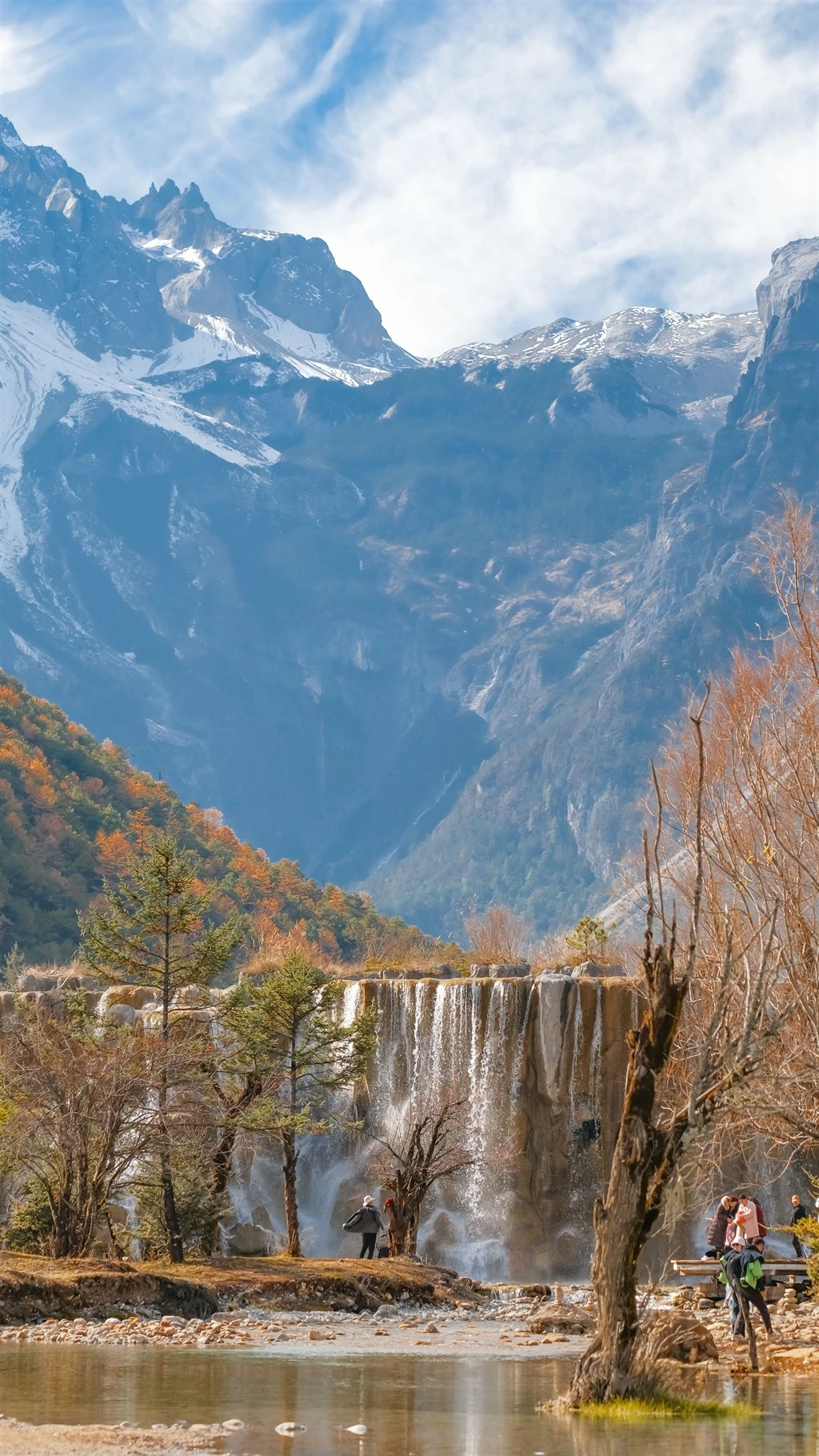
The "Last Shangri-La" with three holy peaks and emerald alpine lakes.
View Details